Overview
Votes
Cosponsors
Committees
Actions
Record
Research
Related
Titles
Subjects
Text
Progress
Where this bill reached, and when. A stage with no date
was not reached; one that failed a vote and later carried shows the
date it carried.
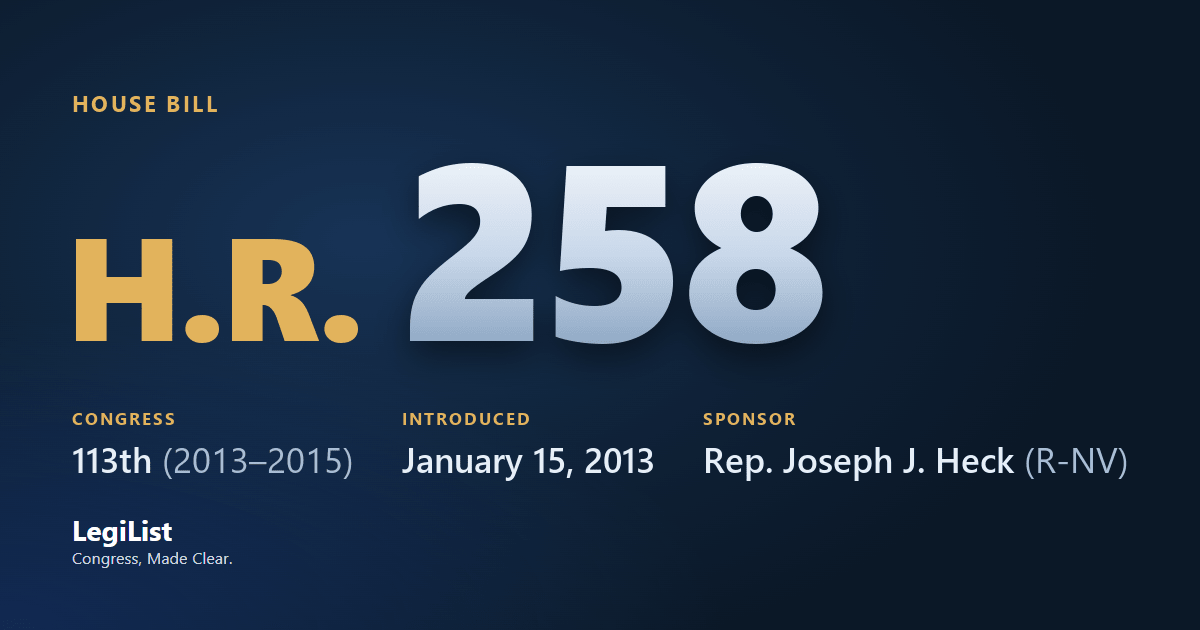
Introduced Jan 15, 2013 Passed House May 20, 2013 Passed Senate May 22, 2013 To the President May 28, 2013 Became law Jun 3, 2013 Public Law 113-12
Summary
(This measure has not been amended since it was introduced. The summary of that version is repeated here.)
Stolen Valor Act of 2013 - Amends the federal criminal code to rewrite provisions relating to fraudulent claims about military service to subject to a fine, imprisonment for not more than one year, or both an individual who, with intent to obtain money, property, or other tangible benefit, fraudulently holds himself or herself out to be a recipient of:
a Congressional Medal of Honor, a distinguished-service cross, a Navy cross, an Air Force cross, a silver star, a Purple Heart, a Combat Infantryman's Badge, a Combat Action Badge, a Combat Medical Badge, a Combat Action Ribbon, a Combat Action Medal, or any replacement or duplicate medal for such medal as authorized by law.
Read the full summary
Recorded votes 1
Newest first. Open one to see how every member voted.
Roll call Question Result Date House 161 On Motion to Suspend the Rules and Pass Passed390–3 May 20, 2013 Yea 390 Adam Smith D-WA Al Green D-TX Alan Grayson D-FL Alan S. Lowenthal D-CA Albio Sires D-NJ Alcee L. Hastings D-FL Allyson Y. Schwartz D-PA Ami Bera D-CA André Carson D-IN Ann Kirkpatrick D-AZ Ann M. Kuster D-NH Anna G. Eshoo D-CA Barbara Lee D-CA Ben Ray Luján D-NM Beto O'Rourke D-TX Betty McCollum D-MN Bill Foster D-IL Bill Pascrell, Jr. D-NJ Bobby L. Rush D-IL Brad Sherman D-CA Bradley Scott Schneider D-IL Brian Higgins D-NY Bruce L. Braley D-IA C. A. Dutch Ruppersberger D-MD Carol Shea-Porter D-NH Carolyn B. Maloney D-NY Cedric L. Richmond D-LA Chaka Fattah D-PA Charles B. Rangel D-NY Cheri Bustos D-IL Chris Van Hollen D-MD Colleen Hanabusa D-HI Collin C. Peterson D-MN Daniel B. Maffei D-NY Daniel Lipinski D-IL Daniel T. Kildee D-MI Danny K. Davis D-IL David E. Price D-NC David Loebsack D-IA David N. Cicilline D-RI David Scott D-GA Debbie Wasserman Schultz D-FL Derek Kilmer D-WA Diana DeGette D-CO Dina Titus D-NV Donald M. Payne, Jr. D-NJ Donna F. Edwards D-MD Doris O. Matsui D-CA Earl Blumenauer D-OR Ed Perlmutter D-CO Eddie Bernice Johnson D-TX Elijah E. Cummings D-MD Eliot L. Engel D-NY Elizabeth H. Esty D-CT Emanuel Cleaver D-MO Eric Swalwell D-CA Filemon Vela D-TX Frank Pallone, Jr. D-NJ Frederica S. Wilson D-FL G. K. Butterfield D-NC Gary C. Peters D-MI Gene Green D-TX George Miller D-CA Gerald E. Connolly D-VA Gloria Negrete McLeod D-CA Grace F. Napolitano D-CA Grace Meng D-NY Gregory W. Meeks D-NY Gwen Moore D-WI Hakeem S. Jeffries D-NY Henry A. Waxman D-CA Henry C. "Hank" Johnson, Jr. D-GA Henry Cuellar D-TX Jackie Speier D-CA James A. Himes D-CT James P. McGovern D-MA James P. Moran D-VA James R. Langevin D-RI Janice D. Schakowsky D-IL Janice Hahn D-CA Jared Huffman D-CA Jared Polis D-CO Jerrold Nadler D-NY Jerry McNerney D-CA Jim Cooper D-TN Jim Costa D-CA Jim Matheson D-UT Joaquin Castro D-TX Joe Courtney D-CT Joe Garcia D-FL John A. Yarmuth D-KY John B. Larson D-CT John Barrow D-GA John C. Carney, Jr. D-DE John Conyers, Jr. D-MI John D. Dingell D-MI John F. Tierney D-MA John Garamendi D-CA John K. Delaney D-MD John Lewis D-GA John P. Sarbanes D-MD Jose E. Serrano D-NY Joseph Crowley D-NY Joseph P. Kennedy III D-MA Joyce Beatty D-OH Juan Vargas D-CA Judy Chu D-CA Julia Brownley D-CA Karen Bass D-CA Kathy Castor D-FL Keith Ellison D-MN Kurt Schrader D-OR Kyrsten Sinema D-AZ Linda T. Sánchez D-CA Lois Capps D-CA Lois Frankel D-FL Louise McIntosh Slaughter D-NY Lucille Roybal-Allard D-CA Luis V. Gutierrez D-IL Marc A. Veasey D-TX Marcia L. Fudge D-OH Marcy Kaptur D-OH Mark Pocan D-WI Mark Takano D-CA Matt Cartwright D-PA Melvin L. Watt D-NC Michael F. Doyle D-PA Michael H. Michaud D-ME Michael M. Honda D-CA Michelle Lujan Grisham D-NM Mike McIntyre D-NC Mike Quigley D-IL Mike Thompson D-CA Nancy Pelosi D-CA Nick J. Rahall II D-WV Niki Tsongas D-MA Nita M. Lowey D-NY Nydia M. Velázquez D-NY Patrick Murphy D-FL Paul Tonko D-NY Peter A. DeFazio D-OR Peter J. Visclosky D-IN Peter Welch D-VT Raul Ruiz D-CA Richard E. Neal D-MA Richard M. Nolan D-MN Rick Larsen D-WA Robert A. Brady D-PA Robert C. "Bobby" Scott D-VA Robert E. Andrews D-NJ Robin L. Kelly D-IL Ron Barber D-AZ Ron Kind D-WI Rosa L. DeLauro D-CT Ruben Hinojosa D-TX Rush Holt D-NJ Sam Farr D-CA Sander M. Levin D-MI Sanford D. Bishop, Jr. D-GA Scott H. Peters D-CA Sean Patrick Maloney D-NY Sheila Jackson Lee D-TX Steny H. Hoyer D-MD Steve Cohen D-TN Steve Israel D-NY Steven Horsford D-NV Susan A. Davis D-CA Suzan K. DelBene D-WA Suzanne Bonamici D-OR Tammy Duckworth D-IL Terri A. Sewell D-AL Theodore E. Deutch D-FL Tim Ryan D-OH Timothy H. Bishop D-NY Timothy J. Walz D-MN Tulsi Gabbard D-HI William L. Enyart D-IL William L. Owens D-NY William R. Keating D-MA Wm. Lacy Clay D-MO Xavier Becerra D-CA Yvette D. Clarke D-NY Zoe Lofgren D-CA Aaron Schock R-IL Adam Kinzinger R-IL Adrian Smith R-NE Alan Nunnelee R-MS Ander Crenshaw R-FL Andy Barr R-KY Andy Harris R-MD Ann Wagner R-MO Austin Scott R-GA Bill Flores R-TX Bill Huizenga R-MI Bill Johnson R-OH Bill Posey R-FL Bill Shuster R-PA Billy Long R-MO Blaine Luetkemeyer R-MO Blake Farenthold R-TX Bob Gibbs R-OH Bob Goodlatte R-VA Brad R. Wenstrup R-OH Brett Guthrie R-KY C. W. Bill Young R-FL Candice S. Miller R-MI Cathy McMorris Rodgers R-WA Charles J. "Chuck" Fleischmann R-TN Charles W. Boustany, Jr. R-LA Charles W. Dent R-PA Chris Collins R-NY Chris Stewart R-UT Christopher H. Smith R-NJ Christopher P. Gibson R-NY Cory Gardner R-CO Cynthia M. Lummis R-WY Daniel Webster R-FL Darrell Issa R-CA Dave Camp R-MI David B. McKinley R-WV David G. Reichert R-WA David G. Valadao R-CA David P. Joyce R-OH David P. Roe R-TN David Schweikert R-AZ Dennis A. Ross R-FL Devin Nunes R-CA Diane Black R-TN Doc Hastings R-WA Doug Collins R-GA Doug LaMalfa R-CA Doug Lamborn R-CO Duncan Hunter R-CA E. Scott Rigell R-VA Ed Whitfield R-KY Edward R. Royce R-CA Eric A. "Rick" Crawford R-AR Eric Cantor R-VA Erik Paulsen R-MN F. James Sensenbrenner, Jr. R-WI Frank A. LoBiondo R-NJ Frank D. Lucas R-OK Frank R. Wolf R-VA Fred Upton R-MI Gary G. Miller R-CA George Holding R-NC Glenn Thompson R-PA Greg Walden R-OR Gregg Harper R-MS Gus M. Bilirakis R-FL H. Morgan Griffith R-VA Harold Rogers R-KY Howard Coble R-NC Ileana Ros-Lehtinen R-FL J. Randy Forbes R-VA Jackie Walorski R-IN James B. Renacci R-OH James Lankford R-OK Jason Chaffetz R-UT Jeff Denham R-CA Jeff Duncan R-SC Jeff Fortenberry R-NE Jeff Miller R-FL Jim Bridenstine R-OK Jim Gerlach R-PA Jim Jordan R-OH Jo Bonner R-AL Joe Barton R-TX Joe Wilson R-SC John Abney Culberson R-TX John Campbell R-CA John Fleming R-LA John J. Duncan, Jr. R-TN John Kline R-MN John L. Mica R-FL John R. Carter R-TX John Shimkus R-IL Jon Runyan R-NJ Joseph J. Heck R-NV Joseph R. Pitts R-PA K. Michael Conaway R-TX Kay Granger R-TX Keith J. Rothfus R-PA Ken Calvert R-CA Kerry L. Bentivolio R-MI Kevin Brady R-TX Kevin McCarthy R-CA Kevin Yoder R-KS Kristi L. Noem R-SD Lamar Smith R-TX Larry Bucshon R-IN Lee Terry R-NE Leonard Lance R-NJ Lou Barletta R-PA Luke Messer R-IN Lynn A. Westmoreland R-GA Lynn Jenkins R-KS Mac Thornberry R-TX Mark Meadows R-NC Mark Sanford R-SC Markwayne Mullin R-OK Marlin A. Stutzman R-IN Martha Roby R-AL Matt Salmon R-AZ Michael C. Burgess R-TX Michael G. Fitzpatrick R-PA Michael G. Grimm R-NY Michael K. Simpson R-ID Michael R. Turner R-OH Michele Bachmann R-MN Mick Mulvaney R-SC Mike Coffman R-CO Mike Kelly R-PA Mike Pompeo R-KS Mike Rogers R-MI Mike Rogers R-AL Mo Brooks R-AL Patrick J. Tiberi R-OH Patrick Meehan R-PA Patrick T. McHenry R-NC Paul A. Gosar R-AZ Paul Cook R-CA Paul D. Ryan R-WI Pete Olson R-TX Pete Sessions R-TX Peter J. Roskam R-IL Peter T. King R-NY Ralph M. Hall R-TX Randy Hultgren R-IL Randy K. Weber, Sr. R-TX Randy Neugebauer R-TX Raul R. Labrador R-ID Reid J. Ribble R-WI Renee L. Ellmers R-NC Richard B. Nugent R-FL Richard Hudson R-NC Richard L. Hanna R-NY Rob Bishop R-UT Rob Woodall R-GA Robert B. Aderholt R-AL Robert E. Latta R-OH Robert Hurt R-VA Robert J. Wittman R-VA Robert Pittenger R-NC Rodney Davis R-IL Rodney P. Frelinghuysen R-NJ Roger Williams R-TX Ron DeSantis R-FL Sam Graves R-MO Scott DesJarlais R-TN Scott Garrett R-NJ Scott Perry R-PA Scott R. Tipton R-CO Sean P. Duffy R-WI Shelley Moore Capito R-WV Spencer Bachus R-AL Stephen Lee Fincher R-TN Stevan Pearce R-NM Steve Chabot R-OH Steve Daines R-MT Steve King R-IA Steve Scalise R-LA Steve Southerland II R-FL Steve Stivers R-OH Steve Stockman R-TX Steve Womack R-AR Susan W. Brooks R-IN Ted Poe R-TX Ted S. Yoho R-FL Thomas E. Petri R-WI Thomas J. Rooney R-FL Tim Griffin R-AR Tim Murphy R-PA Tim Walberg R-MI Todd Rokita R-IN Todd Young R-IN Tom Cotton R-AR Tom Graves R-GA Tom Latham R-IA Tom Marino R-PA Tom McClintock R-CA Tom Price R-GA Tom Reed R-NY Tom Rice R-SC Trent Franks R-AZ Trey Gowdy R-SC Trey Radel R-FL Vern Buchanan R-FL Virginia Foxx R-NC Walter B. Jones R-NC
Cosponsors 127
Members who signed on, in the order they did.
Signatures ran from Jan 15, 2013 to
May 20, 2013 ;
69 are original cosponsors,
there from the day it was introduced.
Seat Cosponsor Signed on R-MS Alan Nunnelee Original Jan 15, 2013 R-TX Bill Flores Original Jan 15, 2013 R-MI Bill Huizenga Original Jan 15, 2013 R-OH Bill Johnson Original Jan 15, 2013 R-MO Billy Long Original Jan 15, 2013 R-OH Bob Gibbs Original Jan 15, 2013 R-FL C. W. Bill Young Original Jan 15, 2013 R-LA Charles W. Boustany, Jr. Original Jan 15, 2013 D-ME Chellie Pingree Original Jan 15, 2013 D-IA David Loebsack Original Jan 15, 2013 D-RI David N. Cicilline Original Jan 15, 2013 R-TN David P. Roe Original Jan 15, 2013 R-TN Diane Black Original Jan 15, 2013 R-AK Don Young Original Jan 15, 2013 R-CA Duncan Hunter Original Jan 15, 2013
Committees 1
Where it was sent and what each committee and subcommittee did with it, in order.
Actions 22
Everything that happened, newest first.
Jun 3, 2013 Signed by President. Jun 3, 2013 Became Public Law No: 113-12. May 28, 2013 Presented to President. May 23, 2013 Message on Senate action sent to the House. May 22, 2013 Passed/agreed to in Senate: Passed Senate without amendment by Unanimous Consent. (consideration: CR S3789)
In the Congressional Record 2
Days the Record’s own index lists this bill, newest first, with the pages and the members it names. Pages starting H are the House, S the Senate, E Extensions of Remarks.
Research
What has been written about this bill: committee reports, cost estimates,
the sponsor’s authority statement, printed hearings and the Congressional Research Service’s work.
Constitutional authority Congress has the power to enact this legislation pursuant to the following: The power granted to Congress under Article I, Section 8, Clause 18 of the United States Constitution, to make all laws which shall be necessary and proper for carrying into execution the foregoing Powers, and all other powers vested by the Constitution in the Government of the United States, or in any Department or officer thereof.
The sponsor’s statement, as printed in the page H171.
Printed hearings 1
Hearings whose printed record names this bill, newest first: hearings on it, and wider hearings where it came up.
CRS reports 6
Congressional Research Service work that CRS links to this bill or the law it became, newest first.
Cite it 6
Products on other subjects that cite it, usually among other measures.
Related bills 1
Companion bills and other measures the record links to this one.
Titles 7
Every title it has carried, official and short, at each stage.
Official Title as Introduced To amend title 18, United States Code, with respect to fraudulent representations about having received military declarations or medals. Official Titles as Amended by House To amend title 18, United States Code, with respect to fraudulent representations about having received military decorations or medals. Short Titles as Introduced Stolen Valor Act of 2013 Short Titles as Reported to House Stolen Valor Act of 2013 Short Titles as Passed House Stolen Valor Act of 2013 Short Titles as Passed Senate Stolen Valor Act of 2013 Short Titles as Enacted Stolen Valor Act of 2013
Subjects
Assigned by the Library of Congress. Policy area: Armed Forces and National Security .
Support LegiList
This page is free, carries no paywall, and is built and maintained
by one person. If the record here is useful to you, a few dollars
keeps it going.
Once
Monthly
Processed by Stripe in a separate window. LegiList never sees card details.
Everything here is as published by Congress: the summary is the
Congressional Research Service's, the action wording is the clerks',
and the subjects are the Library of Congress's. How far it got is read
from the actions themselves, taking the most recent one of each kind,
so a bill that failed a vote and later passed is shown as having passed.
Records come from
this bill on Congress.gov
and govinfo.gov ; cost estimates
are the Congressional Budget Office's, and the hearings are the printed
hearings GovInfo publishes, which can appear months after the hearing.