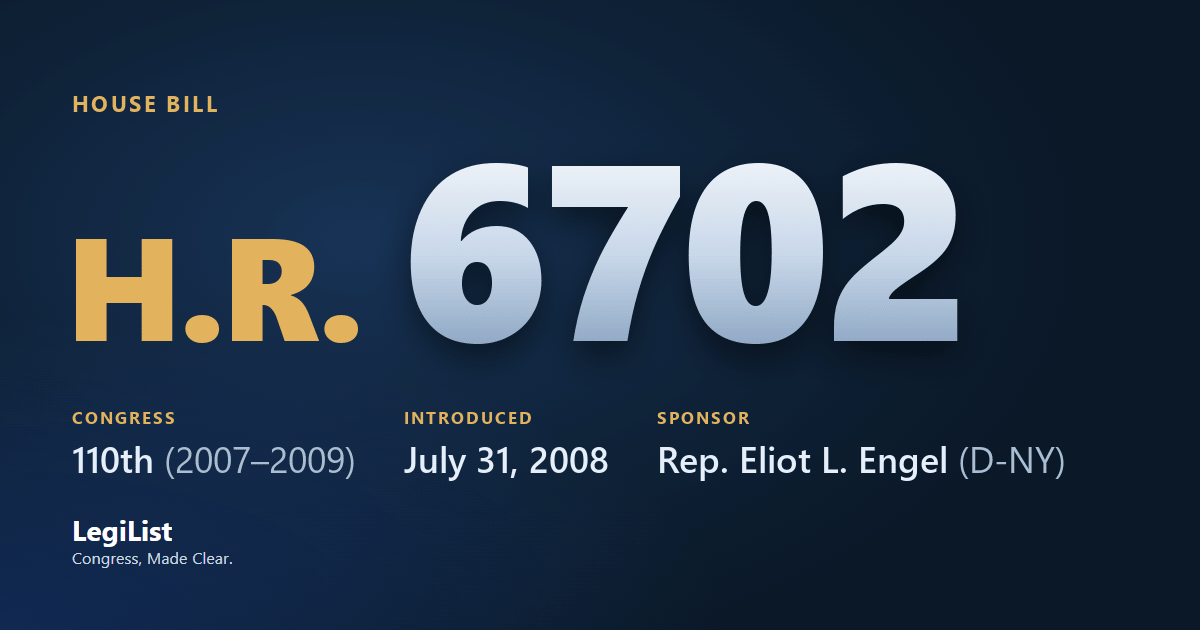
Securing Our Borders and Our Data Act of 2008
Latest action · Sep 29, 2008 Referred to the Subcommittee on Border, Maritime, and Global Counterterrorism.
Progress
Where this bill reached, and when. A stage with no date was not reached; one that failed a vote and later carried shows the date it carried.
- IntroducedJul 31, 2008
- Passed HouseNot reached
- Passed SenateNot reached
- To the PresidentNot reached
- Became lawNot reached
Summary
Securing Our Borders and Our Data Act of 2008 - Sets forth rules for the search or seizure at a U.S. border of digital electronic devices or digital storage media. Prohibits a search of the digital contents of such devices or media unless such search is based on: (1) a reasonable suspicion regarding the owner of such devices or media; and (2) an independent constitutional authority to make a seizure (other than the authority for border searches).
Requires officers at U.S. borders to receive appropriate training to make searches of digital devices or media to minimize the possibility of irreparable damage to such devices or media. Allows the owners of such devices and media to request that searches be conducted out of public view.
Requires the Secretary of Homeland Security to: (1) make rules regarding border searches of digital devices and storage media, including rules to protect the integrity of digital data, for the retrieval of seized devices or media by owners, and for sharing such data with other governmental agencies; and (2) publish such rules on the Department of Homeland Security (DHS) website.
Requires the Commissioner of U.S. Customs and Border Protection to conduct an annual study of searches and seizures of digital devices and storage media at U.S. borders and report to Congress on such study.
Cosponsors 11
Members who signed on, in the order they did. Signatures ran from Jul 31, 2008 to Oct 2, 2008; 1 is an original cosponsor, there from the day it was introduced.
| Seat | Cosponsor | Signed on | |
|---|---|---|---|
| R-TX | Ron Paul | Original | Jul 31, 2008 |
| D-AZ | Ed Pastor | Sep 9, 2008 | |
| D-NY | Maurice D. Hinchey | Sep 15, 2008 | |
| D-TX | Ruben Hinojosa | Sep 15, 2008 | |
| D-MA | James P. McGovern | Sep 16, 2008 | |
| D-NY | Nita M. Lowey | Sep 18, 2008 | |
| R-MD | Roscoe G. Bartlett | Sep 18, 2008 | |
| D-NY | Brian Higgins | Sep 23, 2008 | |
| D-NY | Michael R. McNulty | Sep 23, 2008 | |
| D-CA | Fortney Pete Stark | Sep 26, 2008 | |
| D-NJ | Steven R. Rothman | Oct 2, 2008 |
Committees 2
Where it was sent and what each committee and subcommittee did with it, in order.
| Chamber | Committee | What it did |
|---|---|---|
| House | Judiciary Committee | Referred Jul 31, 2008 |
| House | Homeland Security Committee | Referred Jul 31, 2008 |
| Border Security and Enforcement Subcommittee | Referred Sep 29, 2008 |
Actions 3
Everything that happened, newest first.
- Sep 29, 2008Referred to the Subcommittee on Border, Maritime, and Global Counterterrorism.
- Jul 31, 2008Introduced in House
- Jul 31, 2008Referred to the Committee on the Judiciary, and in addition to the Committee on Homeland Security, for a period to be subsequently determined by the Speaker, in each case for consideration of such provisions as fall within the jurisdiction of the committee concerned.
Related bills 1
Companion bills and other measures the record links to this one.
| Bill | Title | Relationship | Latest action |
|---|---|---|---|
| HR 6588 | Electronic Device Privacy Act of 2008 | Related bill | Jul 23, 2008 |
Titles 2
Every title it has carried, official and short, at each stage.
- Official Title as Introduced
- To impose requirements with regard to border searches of digital electronic devices and digital storage media, and for other purposes.
- Short Titles as Introduced
- Securing Our Borders and Our Data Act of 2008
Subjects
Assigned by the Library of Congress. Policy area: Law.
- Administrative procedure
- Cameras
- Civil Rights and Liberties, Minority Issues
- Computers
- Congress
- Congressional reporting requirements
- Constitutional law
- Crime and Law Enforcement
- Customs administration
- Department of Homeland Security
- Electronics
- Evidence (Law)
- Federal law enforcement officers
- Foreign Trade and International Finance
- Government Operations and Politics
- Government publicity
- Governmental investigations
- Labor and Employment
- Law
- Police training
- Right of privacy
- Science, Technology, Communications
- Searches and seizures
- Wireless communication
Text 1
Each version as it was printed, newest first.
- Jul 31, 2008Introduced in House
Support LegiList
This page is free, carries no paywall, and is built and maintained by one person. If the record here is useful to you, a few dollars keeps it going.
Everything here is as published by Congress: the summary is the Congressional Research Service's, the action wording is the clerks', and the subjects are the Library of Congress's. How far it got is read from the actions themselves, taking the most recent one of each kind, so a bill that failed a vote and later passed is shown as having passed. Records come from this bill on Congress.gov and govinfo.gov; cost estimates are the Congressional Budget Office's, and the hearings are the printed hearings GovInfo publishes, which can appear months after the hearing.