Proclamation
National Breast Cancer Awareness Month, 2009
Document ID
doc_a0fb1c6153569364
Number
E9-24199
Citation
74 FR 51221
Context
- TypeProclamation
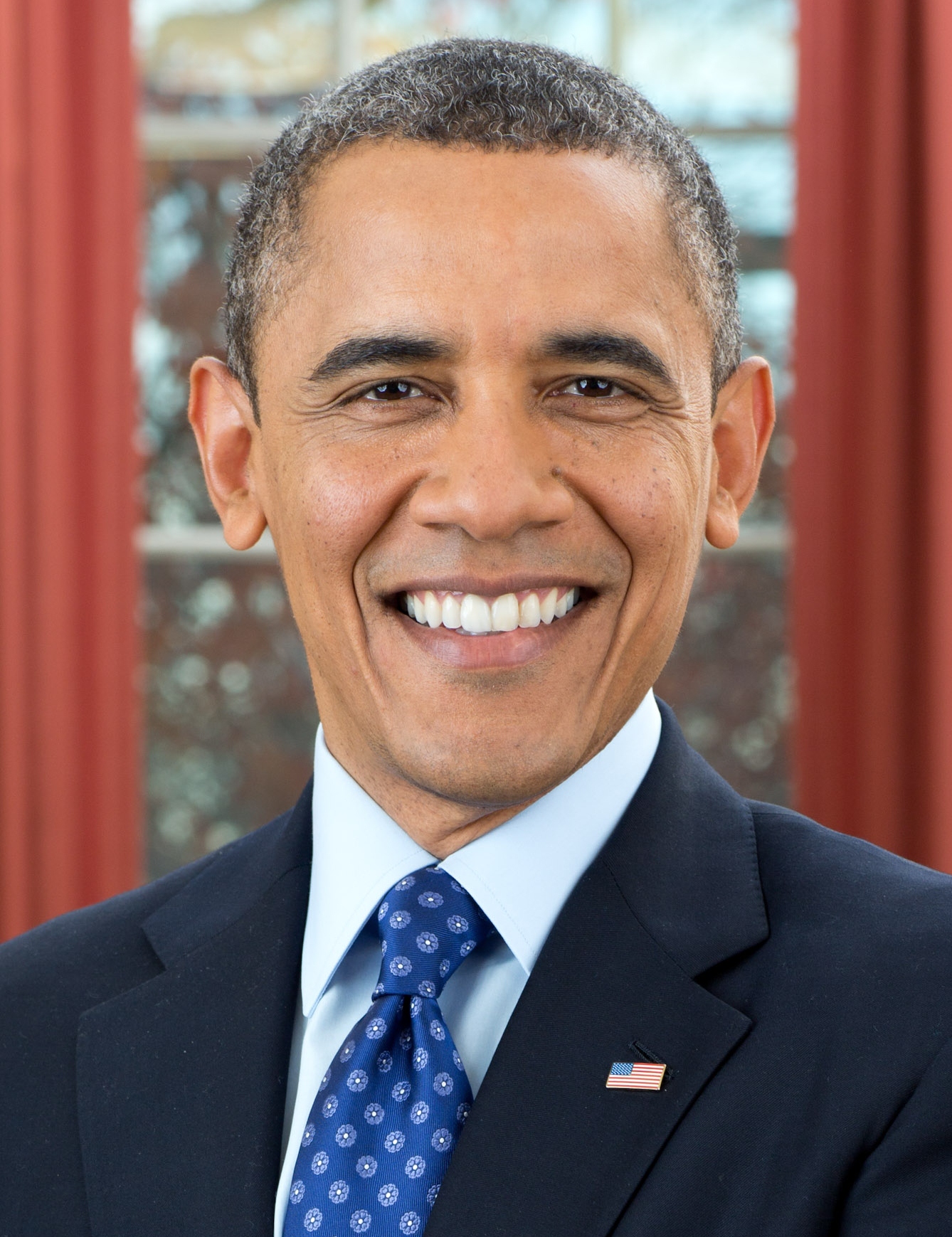
- President Barack Obama
- IssuedSeptember 30, 2009
- PublishedOctober 6, 2009
Summary
Proclamation: National Breast Cancer Awareness Month, 2009
Document Text
Proclamation 8425 of September 30, 2009

National Breast Cancer Awareness Month, 2009

By the President of the United States of America

A Proclamation

In 2009, more than 190,000 women are expected to be
diagnosed with breast cancer, and more than 40,000
women are expected to die from this disease. It is the
most common non-skin cancer and the second leading
cause of cancer-related death among women in the United
States. As we observe National Breast Cancer Awareness
Month, we salute the brave Americans who are fighting
this disease, including families and friends,
advocates, researchers, and health care providers. We
also pause to remember and pray for those we have lost
to breast cancer.

Many Americans know someone who survived breast cancer
due to early detection or improved treatment, and we
must continue to discover ways to prevent, detect, and
treat this disease. For us to better understand how
breast cancer develops, to prevent recurrence, and to
enhance the quality of life for survivors, we must
support critical research programs. The National
Institutes of Health, Department of Defense, and the
Centers for Disease Control and Prevention will invest
over $1 billion in research this year. Strengthening
our knowledge of breast cancer development can lead to
improvements in prevention and treatment.

Screening and early detection are essential to our
Nation's fight against breast cancer. The National
Cancer Institute recommends that women age 40 and older
have mammograms every 1 to 2 years. Women who are at
greater risk should talk with their health care
providers about whether to have mammograms before age
40 and how often to have them. My Administration is
committed to requiring insurance companies to cover
mammograms with no extra charges, and prohibiting the
denial of coverage based on pre-existing conditions,
including breast cancer.

Breast cancer health disparities also present a serious
challenge. White women have the highest breast cancer
incidence rates, and African American women have higher
mortality rates than other racial or ethnic groups in
the United States. There is also evidence lesbian women
are at a greater risk of developing breast cancer than
heterosexual women. Every day, we are improving
programs that address the issues women encounter in
obtaining appropriate and timely treatment. As a
Nation, we will overcome the financial and physical
restraints of underserved populations and ensure access
to quality health care.

Our Nation has made significant progress in the fight
against breast cancer, and we remain firm in our
commitment to do more. This month, we reaffirm our
commitment to reduce the burden of breast cancer and
our support for those who are living with this
devastating disease. By raising awareness of this
disease and supporting research, we can usher in a new
era in our struggle against breast cancer.

NOW, THEREFORE, I, BARACK OBAMA, President of the
United States of America, by virtue of the authority
vested in me by the Constitution and the laws of the
United States, do hereby proclaim October 2009, as
National Breast Cancer Awareness Month. I encourage
citizens, Government agencies, private businesses,
nonprofit organizations, and other interested

groups to join in activities that will help Americans
understand what they can do to prevent and control
breast cancer.

IN WITNESS WHEREOF, I have hereunto set my hand this
thirtieth day of September, in the year of our Lord two
thousand nine, and of the Independence of the United
States of America the two hundred and thirty-fourth.