Executive Order
Enhancing Coordination of National Efforts in the Arctic
Document ID
doc_2ce6d247fe9ed55f
Number
2015-01522
Citation
80 FR 4191
Context
- TypeExecutive Order
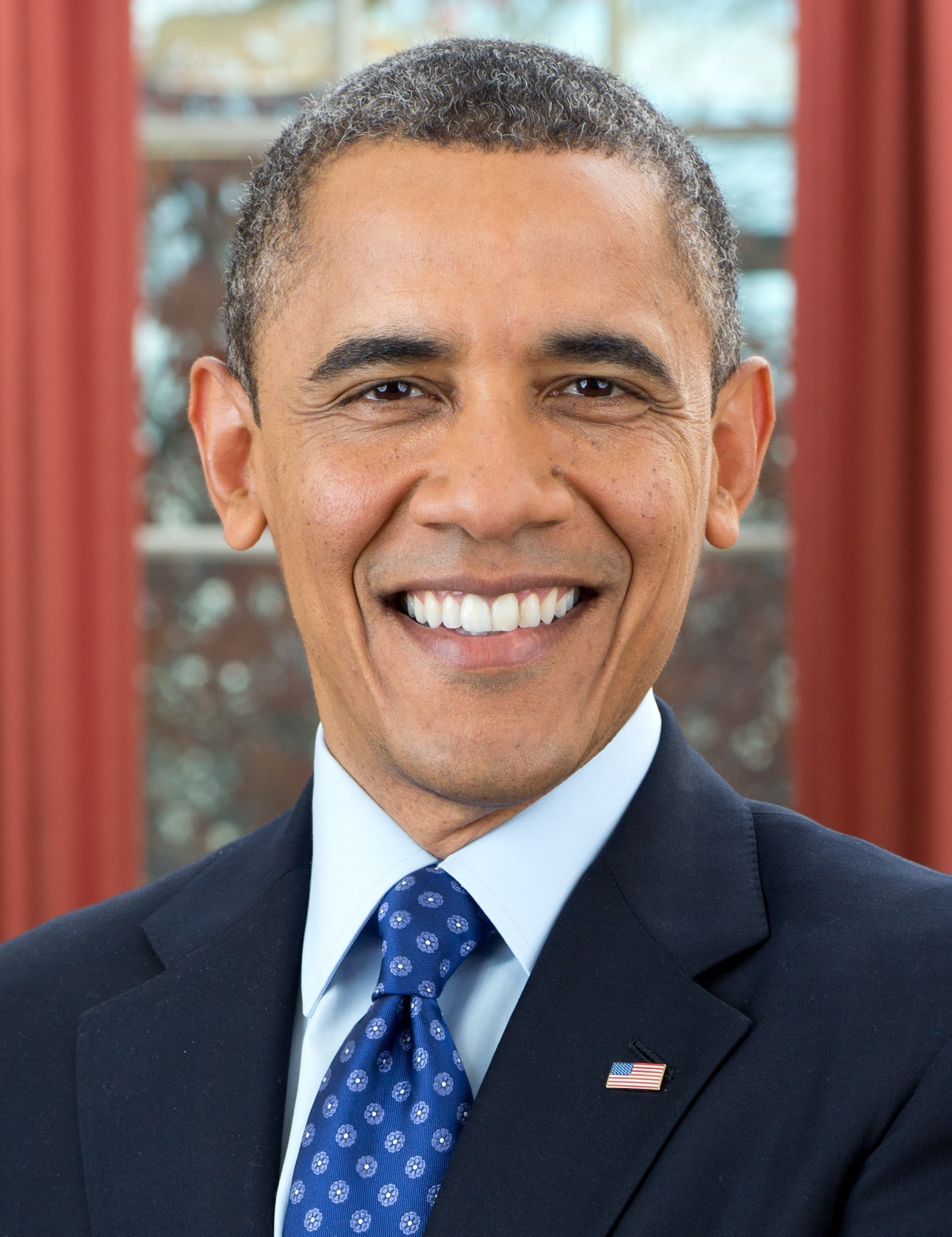
- President Barack Obama
- IssuedJanuary 21, 2015
- PublishedJanuary 26, 2015
Summary
Executive Order: Enhancing Coordination of National Efforts in the Arctic
Document Text
Executive Order 13689 of January 21, 2015

Enhancing Coordination of National Efforts in the
Arctic

By the authority vested in me as President by the
Constitution and the laws of the United States of
America, and to prepare the Nation for a changing
Arctic and enhance coordination of national efforts in
the Arctic, it is hereby ordered as follows:

Section 1. Policy. The Arctic has critical long-term
strategic, ecological, cultural, and economic value,
and it is imperative that we continue to protect our
national interests in the region, which include:
national defense; sovereign rights and
responsibilities; maritime safety; energy and economic
benefits; environmental stewardship; promotion of
science and research; and preservation of the rights,
freedoms, and uses of the sea as reflected in
international law.

Over the past 60 years, climate change has caused the
Alaskan Arctic to warm twice as rapidly as the rest of
the United States, and will continue to transform the
Arctic as its consequences grow more severe. Over the
past several decades, higher atmospheric temperatures
have led to a steady and dramatic reduction in Arctic
sea ice, widespread glacier retreat, increasing coastal
erosion, more acidic oceans, earlier spring snowmelt,
thawing permafrost, drier landscapes, and more
extensive insect outbreaks and wildfires, thus changing
the accessibility and natural features of this remote
region. As a global leader, the United States has the
responsibility to strengthen international cooperation
to mitigate the greenhouse gas emissions driving
climate change, understand more fully and manage more
effectively the adverse effects of climate change,
protect life and property, develop and manage resources
responsibly, enhance the quality of life of Arctic
inhabitants, and serve as stewards for valuable and
vulnerable ecosystems. In doing so, we must rely on
science-based decisionmaking and respect the value and
utility of the traditional knowledge of Alaska Native
peoples. As the United States assumes the Chairmanship
of the Arctic Council, it is more important than ever
that we have a coordinated national effort that takes
advantage of our combined expertise and efforts in the
Arctic region to promote our shared values and
priorities.

As the Arctic has changed, the number of Federal
working groups created to address the growing strategic
importance and accessibility of this critical region
has increased. Although these groups have made
significant progress and achieved important milestones,
managing the broad range of interagency activity in the
Arctic requires coordinated planning by the Federal
Government, with input by partners and stakeholders, to
facilitate Federal, State, local, and Alaska Native
tribal government and similar Alaska Native
organization, as well as private and nonprofit sector,
efforts in the Arctic.

Sec. 2. Arctic Executive Steering Committee. (a)
Establishment. There is established an Arctic Executive
Steering Committee (Steering Committee), which shall
provide guidance to executive departments and agencies
(agencies) and enhance coordination of Federal Arctic
policies across agencies and offices, and, where
applicable, with State, local, and Alaska Native tribal
governments and similar Alaska Native organizations,
academic and research institutions, and the private and
nonprofit sectors.

(b) Membership. The Steering Committee shall
consist of:

(i) the heads, or their designees, of the Office of Science and Technology
Policy, the Council on Environmental Quality, the Domestic Policy Council,
and the National Security Council;

(ii) the Executive Officer of the Steering Committee, who shall be
designated by the Chair of the Steering Committee (Chair); and

(iii) the Deputy Secretary or equivalent officer from the Departments of
State, Defense, Justice, the Interior, Agriculture, Commerce, Labor, Health
and Human Services, Transportation, Energy, and Homeland Security; the
Office of the Director of National Intelligence; the Environmental
Protection Agency; the National Aeronautics and Space Administration; the
National Science Foundation; the Arctic Research Commission; and the Office
of Management and Budget; the Assistant to the President for Public
Engagement and Intergovernmental Affairs, or his or her designee; and other
agencies or offices as determined appropriate by the Chair.

(c) Administration.

(i) The Director of the Office of Science and Technology Policy, or his or
her designee, shall be the Chair of the Executive Steering Committee. The
Assistant to the President for National Security Affairs, or his or her
designee, shall be the Vice Chair. Under the leadership of the Chair, the
Steering Committee will meet quarterly, or as appropriate, to shape
priorities, establish strategic direction, oversee implementation, and
ensure coordination of Federal activities in the Arctic.

(ii) The Steering Committee shall coordinate with existing working groups
established by Executive Order or statute.

(iii) As appropriate, the Chair of the Steering Committee may establish
subcommittees and working groups, consisting of representatives from
relevant agencies, to focus on specific key issues and assist in carrying
out its responsibilities.

(iv) Agencies shall provide administrative support and additional
resources, as appropriate, to support their participation in the Steering
Committee to the extent permitted by law and within existing
appropriations. Each agency shall bear its own expenses for supporting its
participation in the Steering Committee and associated working groups.

(v) Each member of the Steering Committee shall provide the Executive
Officer with a single point of contact for coordinating efforts with
interagency partners, collaborating with State, local, and Alaska Native
tribal governments and similar Alaska Native organizations, and assisting
in carrying out the functions and duties assigned by the Steering
Committee.

Sec. 3. Responsibilities of the Arctic Executive
Steering Committee. The Steering Committee, in
coordination with the heads of relevant agencies and
under the direction of the Chair, shall:

(a) provide guidance and coordinate efforts to
implement the priorities, objectives, activities, and
responsibilities identified in National Security
Presidential Directive 66/Homeland Security
Presidential Directive 25, Arctic Region Policy, the
National Strategy for the Arctic Region and its
Implementation Plan, and related agency plans;
(b) provide guidance on prioritizing Federal
activities, consistent with agency authorities, while
the United States is Chair of the Arctic Council,
including, where appropriate, recommendations for
resources to use in carrying out those activities; and
(c) establish a working group to provide a report
to the Steering Committee by May 1, 2015, that:

(i) identifies potential areas of overlap between and within agencies with
respect to implementation of Arctic policy and strategic priorities and
provides recommendations to increase coordination and reduce any
duplication of effort, which may include ways to increase the effectiveness
of existing groups; and

(ii) provides recommendations to address any potential gaps in
implementation.

Sec. 4. Duties of the Executive Officer. The Executive
Officer shall be responsible for facilitating
interagency coordination efforts related to
implementing the guidance and strategic priorities
developed by the Steering Committee. The Executive
Officer shall coordinate with the Chair and the Special
Advisor on Arctic Science and Policy at the Department
of State to provide regular reports to the Steering
Committee on agency implementation and planning efforts
for the Arctic region.

Sec. 5. Engagement with the State of Alaska, Alaska
Native Tribal Governments, as well as other United
States Stakeholders. It is in the best interest of the
Nation for the Federal Government to maximize
transparency and promote collaboration where possible
with the State of Alaska, Alaska Native tribal
governments and similar Alaska Native organizations,
and local, private-sector, and nonprofit-sector
stakeholders. To facilitate consultation and
partnerships with the State of Alaska and Alaska Native
tribal governments and similar Alaska Native
organizations, the Steering Committee shall:

(a) develop a process to improve coordination and
the sharing of information and knowledge among Federal,
State, local, and Alaska Native tribal governments and
similar Alaska Native organizations, and private-sector
and nonprofit-sector groups on Arctic issues;
(b) establish a process to ensure tribal
consultation and collaboration, consistent with my
memorandum of November 5, 2009 (Tribal Consultation).
This process shall ensure meaningful consultation and
collaboration with Alaska Native tribal governments and
similar Alaska Native organizations in the development
of Federal policies that have Alaska Native
implications, as applicable, and provide feedback and
recommendations to the Steering Committee;
(c) identify an appropriate Federal entity to be
the point of contact for Arctic matters with the State
of Alaska and with Alaska Native tribal governments and
similar Alaska Native organizations to support
collaboration and communication; and
(d) invite members of State, local, and Alaska
Native tribal governments and similar Alaska Native
organizations, and academic and research institutions
to consult on issues or participate in discussions, as
appropriate and consistent with applicable law.

Sec. 6. General Provisions. (a) Nothing in this order
shall be construed to impair or otherwise affect:

(i) the authority granted by law to an executive department, agency, or the
head thereof; or

(ii) the functions of the Director of the Office of Management and Budget
relating to budgetary, administrative, or legislative proposals.

(b) This order shall be implemented consistent with
applicable law and subject to the availability of
appropriations.

(c) This order is not intended to, and does not,
create any right or benefit, substantive or procedural,
enforceable at law or in equity by any party against
the United States, its departments, agencies, or
entities, its officers, employees, or agents, or any
other person.

THE WHITE HOUSE,

January 21, 2015.