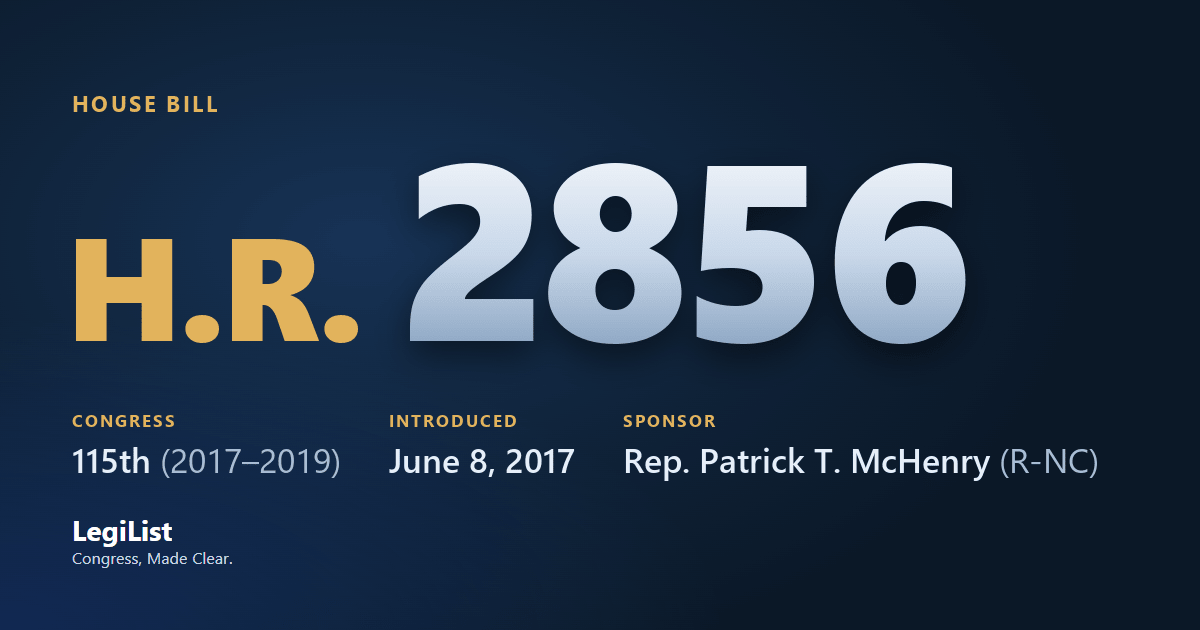
Combating BDS Act of 2017
Latest action · Jun 8, 2017 Referred to the House Committee on Financial Services.
Progress
Where this bill reached, and when. A stage with no date was not reached; one that failed a vote and later carried shows the date it carried.
- IntroducedJun 8, 2017
- Passed HouseNot reached
- Passed SenateNot reached
- To the PresidentNot reached
- Became lawNot reached
Summary
Combating BDS Act of 2017
This bill allows a state or local government to adopt and enforce measures to divest its assets from, prohibit investment of its assets in, or restrict contracting with: (1) an entity that engages in a commerce- or investment-related boycott, divestment, or sanctions activity targeting Israel; or (2) an entity that owns or controls, is owned or controlled by, or is under common ownership or control with such an entity. Such measures are not preempted by federal law. A state or local government that seeks to adopt or enforce such measures shall comply with specified requirements related to notice, timing, and opportunity for comment.
In addition, the bill amends the Investment Company Act of 1940 to prohibit a person from bringing any civil, criminal, or administrative action against a registered investment company based solely upon that company's divestment from securities issued by a person that engages in a commerce- or investment-related boycott, divestment, or sanctions activity targeting Israel.
Cosponsors 141
Members who signed on, in the order they did. Signatures ran from Jun 8, 2017 to Nov 29, 2018; 7 are original cosponsors, there from the day it was introduced.
| Seat | Cosponsor | Signed on | |
|---|---|---|---|
| D-CA | Brad Sherman | Original | Jun 8, 2017 |
| D-IL | Bradley Scott Schneider | Original | Jun 8, 2017 |
| R-CA | Edward R. Royce | Original | Jun 8, 2017 |
| D-NJ | Josh Gottheimer | Original | Jun 8, 2017 |
| D-CA | Juan Vargas | Original | Jun 8, 2017 |
| R-IL | Peter J. Roskam | Original | Jun 8, 2017 |
| R-MN | Tom Emmer | Original | Jun 8, 2017 |
| R-NE | Adrian Smith | Jun 15, 2017 | |
| R-MO | Ann Wagner | Jun 15, 2017 | |
| R-MI | Bill Huizenga | Jun 15, 2017 | |
| R-AR | Bruce Westerman | Jun 15, 2017 | |
| R-NJ | Christopher H. Smith | Jun 15, 2017 | |
| R-IA | David Young | Jun 15, 2017 | |
| R-OK | Jim Bridenstine | Jun 15, 2017 | |
| R-SD | Kristi L. Noem | Jun 15, 2017 |
Committees 1
Where it was sent and what each committee and subcommittee did with it, in order.
| Chamber | Committee | What it did |
|---|---|---|
| House | Financial Services Committee | Referred Jun 8, 2017 |
Actions 2
Everything that happened, newest first.
- Jun 8, 2017Introduced in House
- Jun 8, 2017Referred to the House Committee on Financial Services.
Research
What has been written about this bill: committee reports, cost estimates, the sponsor’s authority statement, printed hearings and the Congressional Research Service’s work.
Constitutional authority
The sponsor’s statement, as printed in the Congressional Record, vol. 163, no. 98, June 8, 2017, page H4820.
Related bills 1
Companion bills and other measures the record links to this one.
| Bill | Title | Relationship | Latest action |
|---|---|---|---|
| S 170 | Combating BDS Act of 2017 | Related bill | Jan 17, 2017 |
Titles 2
Every title it has carried, official and short, at each stage.
- Official Title as Introduced
- To provide for nonpreemption of measures by State and local governments to divest from entities that engage in commerce-related or investment-related boycott, divestment, or sanctions activity targeting Israel, and for other purposes.
- Short Titles as Introduced
- Combating BDS Act of 2017
Subjects
Assigned by the Library of Congress. Policy area: Finance and Financial Sector.
- Arab-Israeli relations
- Employee benefits and pensions
- Finance and Financial Sector
- Financial services and investments
- Government employee pay, benefits, personnel management
- Government information and archives
- Israel
- Middle East
- Sanctions
- State and local finance
- State and local government operations
- Trade restrictions
- U.S. and foreign investments
Text 1
Each version as it was printed, newest first.
- Jun 8, 2017Introduced in House
Everything here is as published by Congress: the summary is the Congressional Research Service's, the action wording is the clerks', and the subjects are the Library of Congress's. How far it got is read from the actions themselves, taking the most recent one of each kind, so a bill that failed a vote and later passed is shown as having passed. Records come from this bill on Congress.gov and govinfo.gov; cost estimates are the Congressional Budget Office's, and the hearings are the printed hearings GovInfo publishes, which can appear months after the hearing.