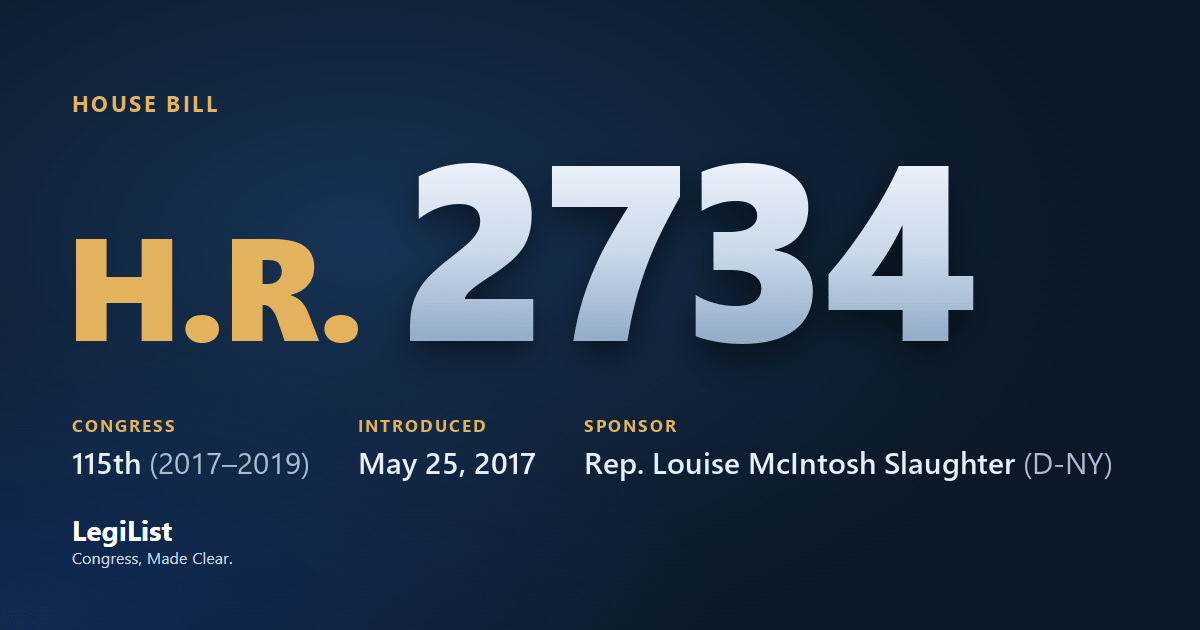
Trade Enforcement and Trade Deficit Reduction Act
Latest action · Jun 7, 2017 Referred to the Subcommittee on Trade.
Progress
Where this bill reached, and when. A stage with no date was not reached; one that failed a vote and later carried shows the date it carried.
- IntroducedMay 25, 2017
- Passed HouseNot reached
- Passed SenateNot reached
- To the PresidentNot reached
- Became lawNot reached
Summary
Trade Enforcement and Trade Deficit Reduction Act
This bill requires the Office of the U.S. Trade Representative to withdraw tariff concessions granted to a foreign country if the Department of Commerce determines that such country has not reduced or eliminated a tariff or nontariff barrier on U.S. exports in accordance with a trade agreement.
Commerce must: (1) initiate an investigation if it receives a petition alleging that a foreign country has not complied with the tariff provisions of a trade agreement, and (2) identify each country (other than a least developed country) whose imports of goods and services to the United States exceed twice the value of U.S. exports to that country over a six month period. The U.S. Customs and Border Protection must bar the importation of products from such a country unless a waiver is granted for such products to a U.S. manufacturer, producer, or wholesaler.
Cosponsors
Members who signed on, in the order they did.
Actions 3
Everything that happened, newest first.
- Jun 7, 2017Referred to the Subcommittee on Trade.
- May 25, 2017Introduced in House
- May 25, 2017Referred to the House Committee on Ways and Means.
Subjects
Assigned by the Library of Congress. Policy area: Foreign Trade and International Finance.
Text 1
Each version as it was printed, newest first.
- May 25, 2017Introduced in House
Everything here is as published by Congress: the summary is the Congressional Research Service's, the action wording is the clerks', and the subjects are the Library of Congress's. How far it got is read from the actions themselves, taking the most recent one of each kind, so a bill that failed a vote and later passed is shown as having passed. Records come from this bill on Congress.gov and govinfo.gov.