Proclamation
Cancer Control Month, 2001
Document ID
doc_aba02091376919f3
Number
01-8009
Citation
66 FR 17317
Context
- TypeProclamation
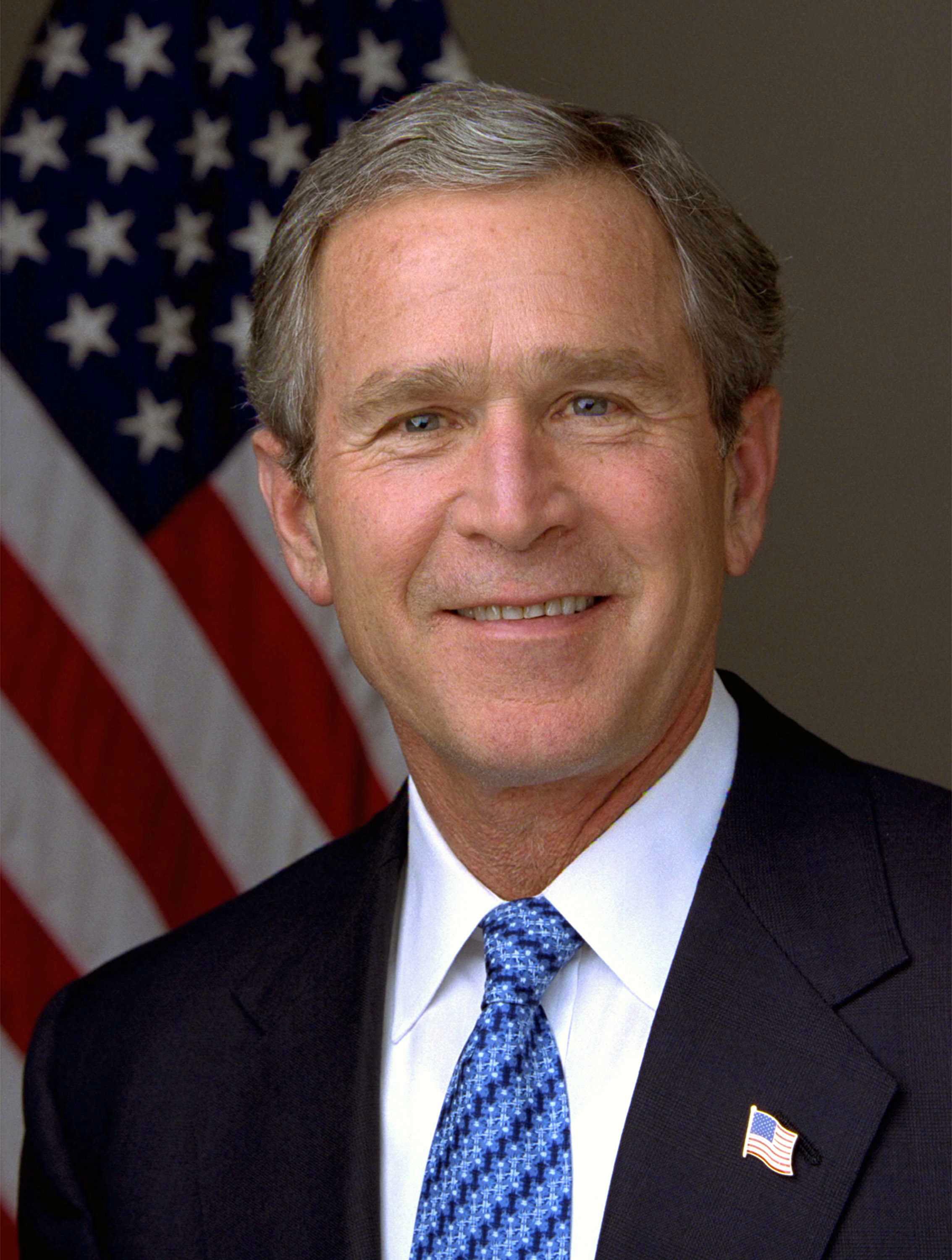
- President George W. Bush
- IssuedMarch 28, 2001
- PublishedMarch 29, 2001
Summary
Proclamation: Cancer Control Month, 2001
Document Text
Proclamation 7418 of March 28, 2001

Cancer Control Month, 2001

By the President of the United States of America

A Proclamation

In 2001, an estimated 1.2 million new cases of cancer
will occur, and more than half a million individuals
will die from the disease. Standing alone, the figures
are discouraging. However, a recent decline in the
rates of new cases, as well as cancer-related deaths,
offers us hope. The 5-year survival rate has improved
for all cancers, and 8.9 million Americans are cancer
survivors.

Thirty years of investment in the National Cancer
Program following the National Cancer Act of 1971 have
accelerated the pace of cancer research. The investment
in research has yielded great dividends in the areas of
cancer prevention, early detection, better treatments,
and improved quality of life for people with cancer.
These advances are remarkable, but much remains to be
done.

Healthy behavior can greatly reduce the risk of cancer.
About 45 million Americans have already quit smoking,
but this most preventable cause of cancer continues to
damage public health. Tobacco use causes nearly all
cases of lung cancer and more than one-third of all
cancer deaths. Children can become addicted to tobacco
in a very short time, placing a serious responsibility
on adults to help young people stop smoking, or
ideally, never start.

Other weapons remain formidable in the fight against
cancer. Since 1991, the 5 A Day for Better Health
program has spread the message that eating five or more
servings of fruits and vegetables daily can improve
health and prevent disease. Over the past 15 years,
increasing numbers of women have been screened for
breast cancer. Continued emphasis on screening for
cancer, including colon cancer, can play a vital role
in saving countless lives. Clinical trials of new drugs
may reveal which ones are most effective in treating
cancer. The Cancer Information Service, a free public
service of the National Cancer Institute (NCI) and the
National Institutes of Health, operates as a national
resource for information about cancer. Americans may
contact the organization at 1-800-4-CANCER or visit its
Internet address at http://www.cancer.gov.

Cancer takes a terrible toll on our country. I
encourage all Americans to make healthy choices in
their personal behaviors. Together, we can help stop
cancer and improve the odds of survival for people of
all ages.

In 1938, the Congress of the United States passed a
joint resolution (52 Stat. 148; 36 U.S.C. 103)
requesting the President to issue an annual
proclamation declaring April as ``Cancer Control
Month.''

NOW, THEREFORE, I, GEORGE W. BUSH, President of the
United States of America, by virtue of the authority
vested in me by the Constitution and laws of the United
States, do hereby proclaim April 2001 as Cancer Control
Month. By reaffirming the importance of controlling
cancer, concerned citizens, government agencies,
private industry, nonprofit organizations, and other
interested groups can work toward the day when this
devastating condition is finally eradicated.

IN WITNESS WHEREOF, I have hereunto set my hand this
twenty-eighth day of March, in the year of our Lord two
thousand one, and of the Independence of the United
States of America the two hundred and twenty-fifth.

(Presidential Sig.)B