Proclamation
Black Music Month, 2002
Document ID
doc_9801b32a0dac0020
Number
02-14239
Citation
67 FR 38583
Context
- TypeProclamation
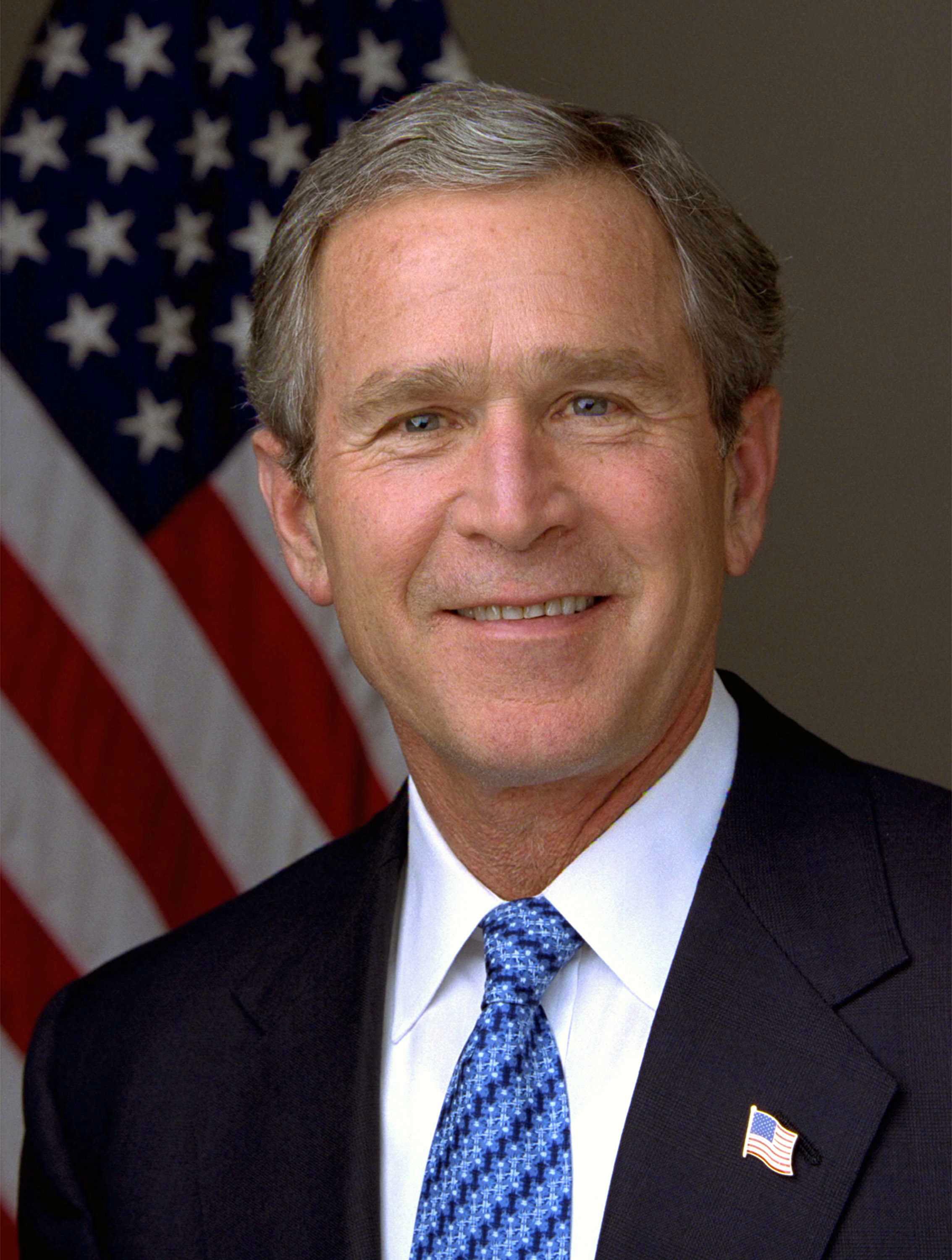
- President George W. Bush
- IssuedMay 31, 2002
- PublishedJune 5, 2002
Summary
Proclamation: Black Music Month, 2002
Document Text
Proclamation 7568 of May 31, 2002

Black Music Month, 2002

By the President of the United States of America

A Proclamation

America's diverse and extraordinary musical heritage
reflects the remarkable cultural and artistic history
of our Nation. From gospel, blues, and jazz to rock and
roll, rap, and hip-hop, our Nation's musical landscape
offers an astounding array of uniquely American styles.
During Black Music Month, we celebrate a critically
important part of this heritage by highlighting the
enduring legacy of African American musicians, singers,
and composers, and urging every American to appreciate
and enjoy the fabulous achievements of this highly
creative community.

Early forms of black American music developed out of
the work song, which had its roots in African tribal
chants. Through this music, slaves shared stories,
preserved history, and established a sense of
community. As many African slaves in early America
became Christians, they adapted their music into the
songs and life of the church. These spirituals
eventually evolved into a genre that remains vibrant
and very meaningful today--gospel music. This great
musical tradition developed under the leadership of
people like Thomas Dorsey, who was known as the Father
of Gospel Music. He composed many great gospel songs
that have become standards, and he established the
tradition of the gospel music concert.

Following emancipation, African Americans enjoyed
unprecedented opportunities but also faced many new and
frequently oppressive challenges. Frustrations from
these struggles for freedom and equality found
expression in a style of music that came to be known as
the blues. Innovative musical geniuses like W.C. Handy,
Robert Johnson, the Reverend Gary Davis, and Mamie
Smith were among the legendary pioneers of blues music.

As blacks migrated throughout the United States in the
early 1900s, they tapped into their collective
experience and creativity to develop new expressions of
music. New Orleans became the center for a particularly
American form of music--jazz. This novel genre combined
unique rhythms and melodies with the sounds of
stringed, brass, and woodwind instruments. Jazz
captured the interest of 20th century America, making
household names of great African American artists like
Louis Armstrong, Charlie Parker, Ella Fitzgerald, and
Miles Davis. The unparalleled brilliance of these and
other great jazz musicians had an extraordinary effect
upon the American musical tradition, while bringing
great pleasure to millions of fans.

In the 1940s, rhythm and blues emerged, synthesizing
elements from gospel, blues, and jazz; and from these
styles came the birth of rock and roll. A fabulous
array of artists helped to pioneer this modern musical
transformation, including Chuck Berry, Ray Charles,
Marvin Gaye, Aretha Franklin, and Stevie Wonder.

As we reflect on the rich and distinctive history of so
many talented artists, we celebrate the incredible
contributions that black musicians have made to the
history of American music and their influence on
countless forms of music around the world.

NOW, THEREFORE, I, GEORGE W. BUSH, President of the
United States of America, by virtue of the authority
vested in me by the Constitution and laws of the United
States, do hereby proclaim June 2002 as Black Music
Month. I call on Americans of all backgrounds to learn
more about the rich heritage of black music and how it
has shaped our culture and our way of life, and urge
them to take the opportunity to enjoy the great musical
experiences available through the contributions of
African American music.

IN WITNESS WHEREOF, I have hereunto set my hand this
thirty-first day of May, in the year of our Lord two
thousand two, and of the Independence of the United
States of America the two hundred and twenty-sixth.

(Presidential Sig.)B