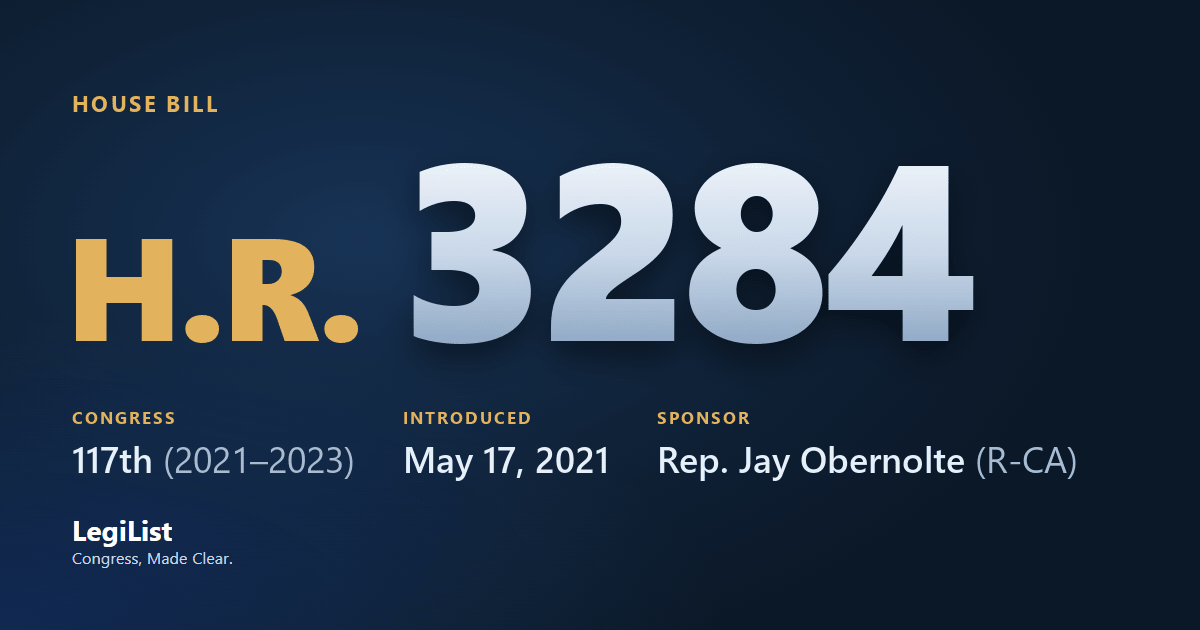
Next Generation Computing Research and Development Act of 2021
Latest action · May 17, 2021 Referred to the House Committee on Science, Space, and Technology.
Progress
Where this bill reached, and when. A stage with no date was not reached; one that failed a vote and later carried shows the date it carried.
- IntroducedMay 17, 2021
- Passed HouseNot reached
- Passed SenateNot reached
- To the PresidentNot reached
- Became lawNot reached
Summary
Next Generation Computing Research and Development Act of 2021
This bill provides for the support of advanced scientific computing programs and activities at the Department of Energy (DOE).
The DOE Office of Science shall carry out a research and development program to advance computational and networking capabilities to analyze and predict complex phenomena relevant to the development of new energy technologies and U.S. competitiveness.
DOE shall
- establish a program to implement a strategy for achieving computing systems with capabilities beyond exascale computing systems;
- support a program of fundamental research and development of energy efficient computing technologies relevant to advanced computing applications in high performance computing, artificial intelligence, and scientific machine learning; and
- provide for an upgrade to the Energy Sciences Network user facility in order to meet federal research needs for highly reliable data transport capabilities optimized for the requirements of large-scale science.
The DOE Office of Advanced Scientific Computing Research shall support the development of a computational science workforce.
The DOE Office of Science shall maintain a balanced portfolio within the advanced scientific computing research and development program that supports robust investment in
- applied mathematical, computational, and computer sciences research needs relevant to DOE's mission; and
- associated high-performance computing hardware and facilities.
Cosponsors 1
Members who signed on, in the order they did. All signed on May 17, 2021.
| Seat | Cosponsor | Signed on | |
|---|---|---|---|
| R-OK | Frank D. Lucas | Original | May 17, 2021 |
Committees 1
Where it was sent and what each committee and subcommittee did with it, in order.
| Chamber | Committee | What it did |
|---|---|---|
| House | Science, Space, and Technology Committee | Referred May 17, 2021 |
| Energy Subcommittee | Referred May 17, 2021 |
Actions 3
Everything that happened, newest first.
- May 17, 2021Introduced in House
- May 17, 2021Referred to the Subcommittee on Energy.
- May 17, 2021Referred to the House Committee on Science, Space, and Technology.
Research
What has been written about this bill: committee reports, cost estimates, the sponsor’s authority statement, printed hearings and the Congressional Research Service’s work.
Constitutional authority
The sponsor’s statement, as printed in the Congressional Record, vol. 167, no. 85, May 17, 2021, page H2421.
Printed hearings 1
Hearings whose printed record names this bill, newest first: hearings on it, and wider hearings where it came up.
| Number | Hearing | Committee | Held |
|---|---|---|---|
| Serial No. 117-16 | ACCELERATING DISCOVERY: THE FUTURE OF SCIENTIFIC COMPUTING AT THE DEPARTMENT OF ENERGY113 pages | Science, Space, and Technology Committee | May 19, 2021 |
Titles 2
Every title it has carried, official and short, at each stage.
- Official Title as Introduced
- To provide for fundamental research programs in advanced scientific computing at the Department of Energy, and for other purposes.
- Short Title(s) as Introduced
- Next Generation Computing Research and Development Act of 2021
Subjects
Assigned by the Library of Congress. Policy area: Science, Technology, Communications.
Text 1
Each version as it was printed, newest first.
- May 17, 2021Introduced in House
Support LegiList
This page is free, carries no paywall, and is built and maintained by one person. If the record here is useful to you, a few dollars keeps it going.
Everything here is as published by Congress: the summary is the Congressional Research Service's, the action wording is the clerks', and the subjects are the Library of Congress's. How far it got is read from the actions themselves, taking the most recent one of each kind, so a bill that failed a vote and later passed is shown as having passed. Records come from this bill on Congress.gov and govinfo.gov; cost estimates are the Congressional Budget Office's, and the hearings are the printed hearings GovInfo publishes, which can appear months after the hearing.