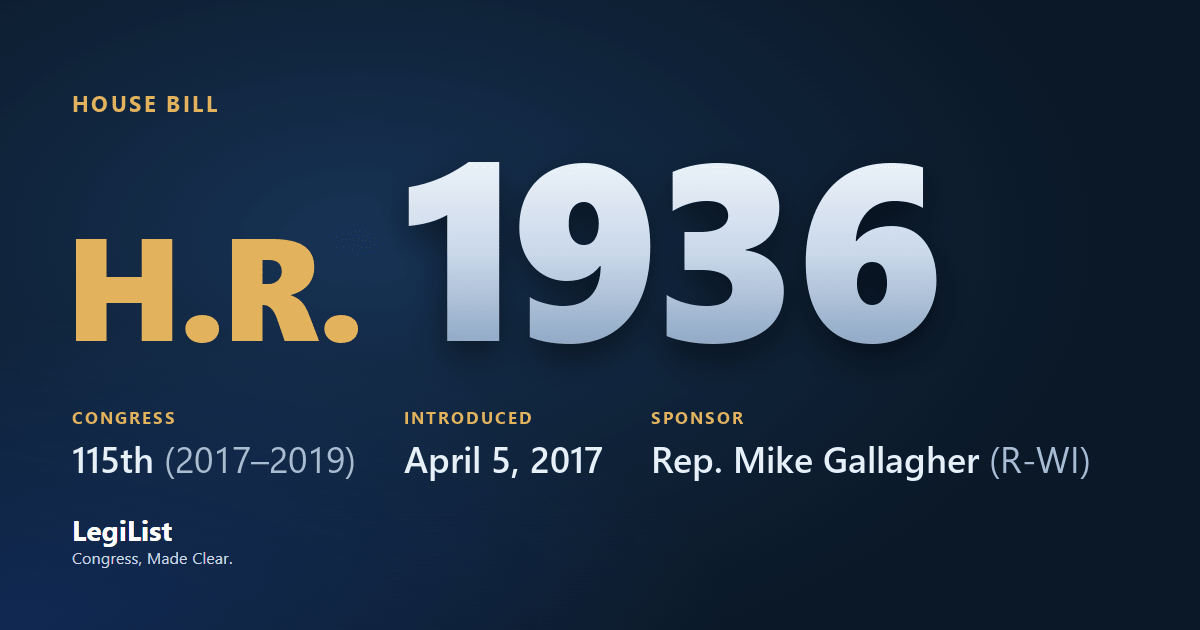
Do Your Job Act
Latest action · Apr 5, 2017 Referred to the Committee on Rules, and in addition to the Committee on the Budget, for a period to be subsequently determined by the Speaker, in each case for consideration of such provisions as fall within the jurisdiction of the committee concerned.
Progress
Where this bill reached, and when. A stage with no date was not reached; one that failed a vote and later carried shows the date it carried.
- IntroducedApr 5, 2017
- Passed HouseNot reached
- Passed SenateNot reached
- To the PresidentNot reached
- Became lawNot reached
Summary
Do Your Job Act
This bill amends the Congressional Budget Act of 1974 to create points of order against resolutions providing for: (1) the adjournment of the House for more than three days during August until the House has approved all of the annual appropriation bills, or (2) the adjournment of either the House or the Senate for more than three days between October 1 and the end of the session of Congress until all of the annual appropriation bills have been presented to the President.
The bill also prohibits a congressional recess or adjournment longer than 24 hours during a calendar year until Congress agrees to a budget resolution that projects a balanced budget by the last fiscal year covered by the resolution.
Cosponsors 1
Members who signed on, in the order they did. All signed on Sep 13, 2017.
| Seat | Cosponsor | Signed on | |
|---|---|---|---|
| R-PA | Brian K. Fitzpatrick | Sep 13, 2017 |
Committees 2
Where it was sent and what each committee and subcommittee did with it, in order.
| Chamber | Committee | What it did |
|---|---|---|
| House | Rules Committee | Referred Apr 5, 2017 |
| House | Budget Committee | Referred Apr 5, 2017 |
Actions 3
Everything that happened, newest first.
- Apr 5, 2017Introduced in House
- Apr 5, 2017Sponsor introductory remarks on measure. (CR H2733)
- Apr 5, 2017Referred to the Committee on Rules, and in addition to the Committee on the Budget, for a period to be subsequently determined by the Speaker, in each case for consideration of such provisions as fall within the jurisdiction of the committee concerned.
In the Congressional Record 2
Days the Record’s own index lists this bill, newest first, with the pages and the members it names. Pages starting H are the House, S the Senate, E Extensions of Remarks.
| Where | In the Record | Members | Date |
|---|---|---|---|
| House | Debate and remarks H4149 | Mike Gallagher R-WI | May 17, 2018 |
| House | Debate and remarks H2733 | Mike Gallagher R-WI | Apr 5, 2017 |
Research
What has been written about this bill: committee reports, cost estimates, the sponsor’s authority statement, printed hearings and the Congressional Research Service’s work.
Constitutional authority
The sponsor’s statement, as printed in the Congressional Record, vol. 163, no. 59, April 5, 2017, page H2755.
Titles 2
Every title it has carried, official and short, at each stage.
- Official Title as Introduced
- To prohibit congressional recesses until Congress adopts a concurrent resolution on the budget that results in a balanced Federal budget by the last fiscal year covered by such resolution, and for other purposes.
- Short Titles as Introduced
- Do Your Job Act
Subjects
Assigned by the Library of Congress. Policy area: Congress.
Text 1
Each version as it was printed, newest first.
- Apr 5, 2017Introduced in House
Support LegiList
This page is free, carries no paywall, and is built and maintained by one person. If the record here is useful to you, a few dollars keeps it going.
Everything here is as published by Congress: the summary is the Congressional Research Service's, the action wording is the clerks', and the subjects are the Library of Congress's. How far it got is read from the actions themselves, taking the most recent one of each kind, so a bill that failed a vote and later passed is shown as having passed. Records come from this bill on Congress.gov and govinfo.gov; cost estimates are the Congressional Budget Office's, and the hearings are the printed hearings GovInfo publishes, which can appear months after the hearing.