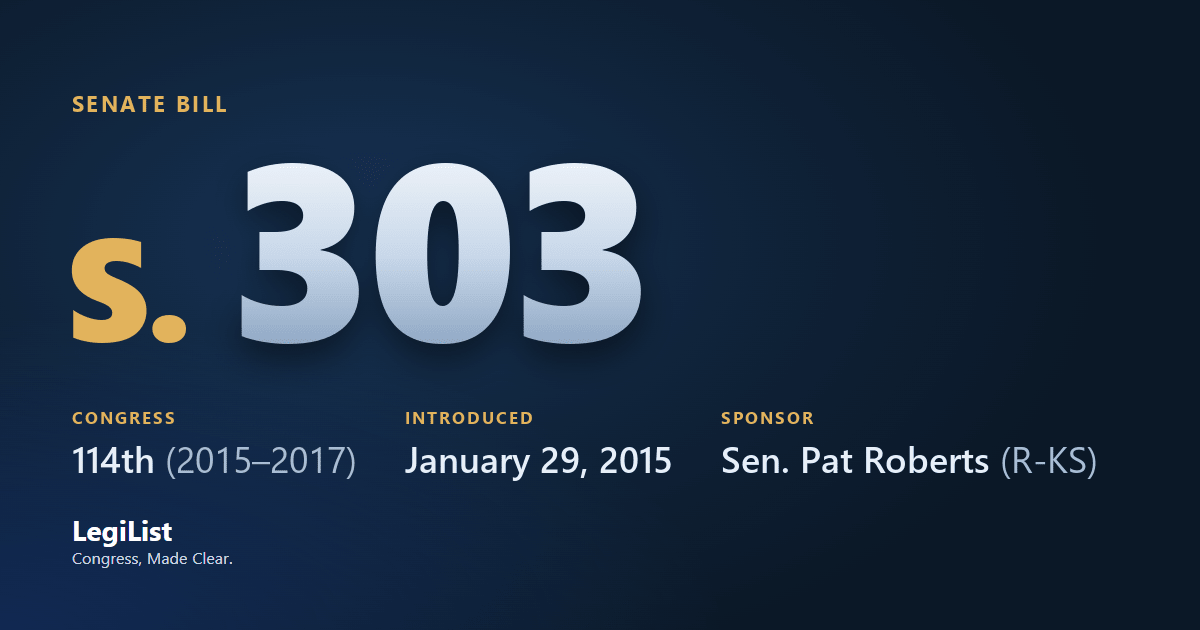
Federal Employee Tax Accountability Act of 2015
Latest action · Jan 29, 2015 Read twice and referred to the Committee on Homeland Security and Governmental Affairs. (Sponsor introductory remarks on measure: CR S619-620)
Progress
Where this bill reached, and when. A stage with no date was not reached; one that failed a vote and later carried shows the date it carried.
- IntroducedJan 29, 2015
- Passed SenateNot reached
- Passed HouseNot reached
- To the PresidentNot reached
- Became lawNot reached
Summary
Federal Employee Tax Accountability Act of 2015
Makes any individual who has a seriously delinquent tax debt ineligible to receive a bonus from a federal agency (i.e., an executive agency, the U.S. Postal Service, the Postal Regulatory Commission, or an employing agency in the legislative branch). Defines "seriously delinquent tax debt" as an outstanding tax debt for which a notice of lien has been filed in public records. Exempts a tax debt: (1) that is being paid in a timely manner under an approved installment payment agreement or an offer-in-compromise, (2) for which a collection due process hearing has been requested or pending, (3) for which a levy has been issued or agreed to by an applicant for employment, or (4) that is determined to be an economic hardship to the taxpayer.
Requires each agency to review public records to determine if a notice of tax lien has been filed against an agency employee or applicant for employment. Prohibits an agency head or agency employee from using or disclosing tax delinquency information other than for the administration of this Act.
Cosponsors 3
Members who signed on, in the order they did. Signatures ran from Mar 25, 2015 to Jul 30, 2015.
| Seat | Cosponsor | Signed on | |
|---|---|---|---|
| R-LA | David Vitter | Mar 25, 2015 | |
| D-MO | Claire McCaskill | May 22, 2015 | |
| R-NC | Richard Burr | Jul 30, 2015 |
Committees 1
Where it was sent and what each committee and subcommittee did with it, in order.
| Chamber | Committee | What it did |
|---|---|---|
| Senate | Homeland Security and Governmental Affairs Committee | Referred Jan 29, 2015 |
Actions 2
Everything that happened, newest first.
- Jan 29, 2015Introduced in Senate
- Jan 29, 2015Read twice and referred to the Committee on Homeland Security and Governmental Affairs. (Sponsor introductory remarks on measure: CR S619-620)
In the Congressional Record 1
Days the Record’s own index lists this bill, newest first, with the pages and the members it names. Pages starting H are the House, S the Senate, E Extensions of Remarks.
| Where | In the Record | Members | Date |
|---|---|---|---|
| Senate | Debate and remarks S619 | Pat Roberts R-KS | Jan 29, 2015 |
Related bills 2
Companion bills and other measures the record links to this one.
| Bill | Title | Relationship | Latest action |
|---|---|---|---|
| HR 1206 | No Hires for the Delinquent IRS Act | Related bill | Apr 25, 2016 |
| HR 1563 | Federal Employee Tax Accountability Act of 2015 | Related bill | Apr 15, 2015 |
Titles 2
Every title it has carried, official and short, at each stage.
- Official Title as Introduced
- A bill to amend title 5, United States Code, to provide that individuals having seriously delinquent tax debts shall be ineligible for Federal employment.
- Short Titles as Introduced
- Federal Employee Tax Accountability Act of 2015
Subjects
Assigned by the Library of Congress. Policy area: Government Operations and Politics.
Text 1
Each version as it was printed, newest first.
- Jan 29, 2015Introduced in Senate
Support LegiList
This page is free, carries no paywall, and is built and maintained by one person. If the record here is useful to you, a few dollars keeps it going.
Everything here is as published by Congress: the summary is the Congressional Research Service's, the action wording is the clerks', and the subjects are the Library of Congress's. How far it got is read from the actions themselves, taking the most recent one of each kind, so a bill that failed a vote and later passed is shown as having passed. Records come from this bill on Congress.gov and govinfo.gov; cost estimates are the Congressional Budget Office's, and the hearings are the printed hearings GovInfo publishes, which can appear months after the hearing.