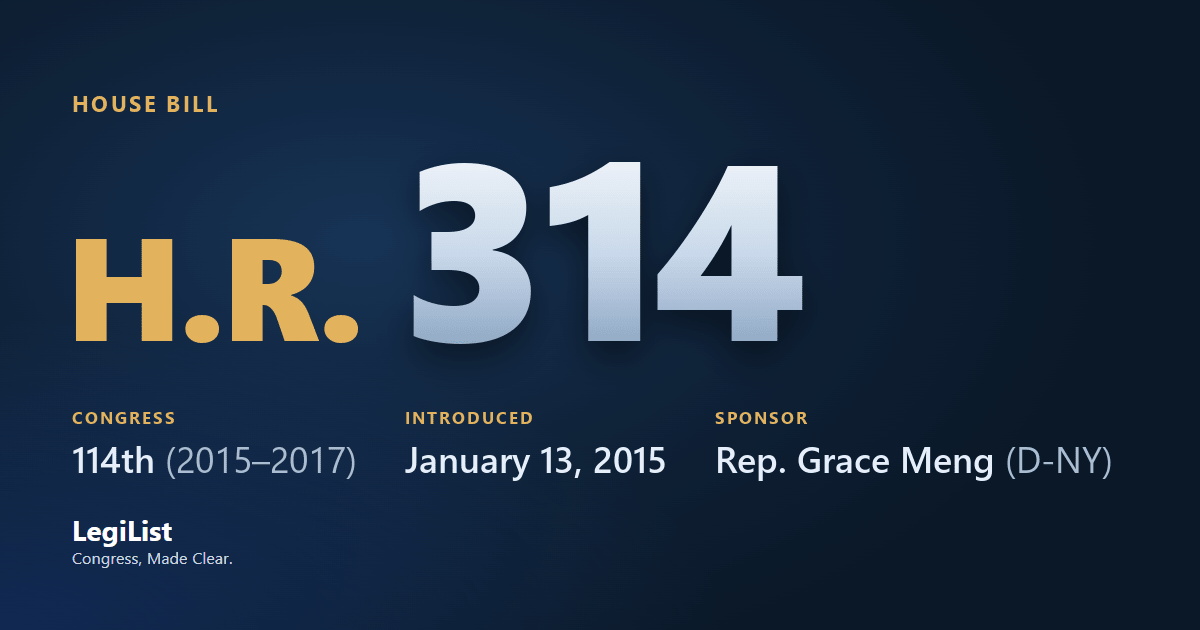
Notch Fairness Act of 2015
Latest action · Feb 27, 2015 Referred to the Subcommittee on Social Security.
Progress
Where this bill reached, and when. A stage with no date was not reached; one that failed a vote and later carried shows the date it carried.
- IntroducedJan 13, 2015
- Passed HouseNot reached
- Passed SenateNot reached
- To the PresidentNot reached
- Became lawNot reached
Summary
Notch Fairness Act of 2015
Amends title II (Old Age, Survivors and Disability Insurance) (OASDI) of the Social Security Act to revise the formula for the computation of minimum Old Age Insurance benefits for individuals who reached age 65 in or after 1979, and to whom applies the 15-year transition period for the changes in benefit computation rules enacted in the Social Security Amendments of 1977.
("Notch" refers to birth in the United States between 1917 and 1921, as a result of which a retiree born between those years received lower cost-of-living increases in Social Security than others after Congress readjusted Social Security benefits in 1977.)
Sets forth a schedule of additional benefit increases for such beneficiaries (and related beneficiaries), with percentages declining from 55% to 5% and keyed to the year an individual became eligible for such benefits between 1979 and 1988.
Allows such beneficiaries, in the alternative, to receive lump sum payments over four years totaling $5,000.
Cosponsors 13
Members who signed on, in the order they did. Signatures ran from Jan 13, 2015 to Mar 3, 2016; 9 are original cosponsors, there from the day it was introduced.
| Seat | Cosponsor | Signed on | |
|---|---|---|---|
| D-CA | Adam B. Schiff | Original | Jan 13, 2015 |
| D-MN | Betty McCollum | Original | Jan 13, 2015 |
| D-MN | Collin C. Peterson | Original | Jan 13, 2015 |
| D-MD | Elijah E. Cummings | Original | Jan 13, 2015 |
| D-TX | Gene Green | Original | Jan 13, 2015 |
| D-MA | James P. McGovern | Original | Jan 13, 2015 |
| D-KY | John A. Yarmuth | Original | Jan 13, 2015 |
| D-AZ | Raúl M. Grijalva | Original | Jan 13, 2015 |
| D-GA | Sanford D. Bishop, Jr. | Original | Jan 13, 2015 |
| D-FL | Alcee L. Hastings | Feb 5, 2015 | |
| R-PA | Tim Murphy | Feb 24, 2015 | |
| D-CA | Zoe Lofgren | Jun 3, 2015 | |
| R-AK | Don Young | Mar 3, 2016 |
Committees 1
Where it was sent and what each committee and subcommittee did with it, in order.
| Chamber | Committee | What it did |
|---|---|---|
| House | Ways and Means Committee | Referred Jan 13, 2015 |
| Social Security Subcommittee | Referred Feb 27, 2015 |
Actions 3
Everything that happened, newest first.
- Feb 27, 2015Referred to the Subcommittee on Social Security.
- Jan 13, 2015Introduced in House
- Jan 13, 2015Referred to the House Committee on Ways and Means.
Research
What has been written about this bill: committee reports, cost estimates, the sponsor’s authority statement, printed hearings and the Congressional Research Service’s work.
Constitutional authority
The sponsor’s statement, as printed in the Congressional Record, vol. 161, no. 6, January 13, 2015, page H359.
Related bills 2
Companion bills and other measures the record links to this one.
| Bill | Title | Relationship | Latest action |
|---|---|---|---|
| S 99 | Notch Fairness Act of 2015 | Identical bill | Jan 7, 2015 |
| HR 867 | Notch Fairness Act of 2017 | Reintroduced Bill | Feb 16, 2017 |
Titles 2
Every title it has carried, official and short, at each stage.
- Official Title as Introduced
- To amend title II of the Social Security Act to allow workers who attain age 65 after 1981 and before 1992 to choose either lump sum payments over four years totaling $5,000 or an improved benefit computation formula under a new 10-year rule governing the transition to the changes in benefit computation rules enacted in the Social Security Amendments of 1977, and for other purposes.
- Short Titles as Introduced
- Notch Fairness Act of 2015
Subjects
Assigned by the Library of Congress. Policy area: Social Welfare.
Text 1
Each version as it was printed, newest first.
- Jan 13, 2015Introduced in House
Support LegiList
This page is free, carries no paywall, and is built and maintained by one person. If the record here is useful to you, a few dollars keeps it going.
Everything here is as published by Congress: the summary is the Congressional Research Service's, the action wording is the clerks', and the subjects are the Library of Congress's. How far it got is read from the actions themselves, taking the most recent one of each kind, so a bill that failed a vote and later passed is shown as having passed. Records come from this bill on Congress.gov and govinfo.gov; cost estimates are the Congressional Budget Office's, and the hearings are the printed hearings GovInfo publishes, which can appear months after the hearing.