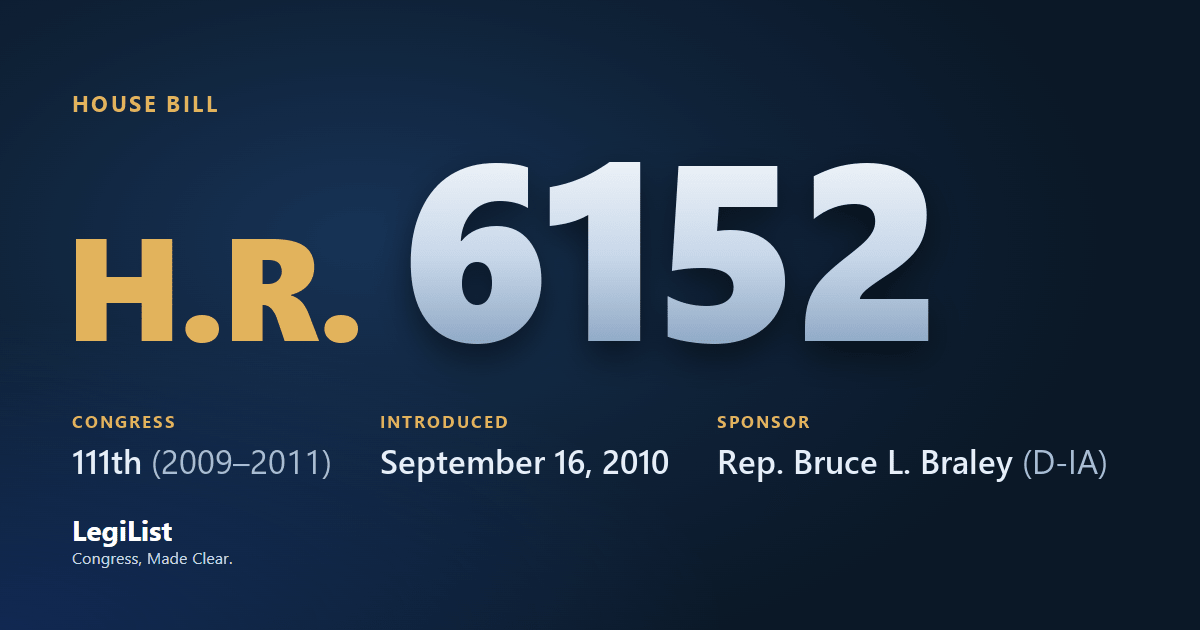
Back to Work Extension Act
Latest action · Sep 16, 2010 Referred to the House Committee on Ways and Means.
Progress
Where this bill reached, and when. A stage with no date was not reached; one that failed a vote and later carried shows the date it carried.
- IntroducedSep 16, 2010
- Passed HouseNot reached
- Passed SenateNot reached
- To the PresidentNot reached
- Became lawNot reached
Summary
Back to Work Extension Act - Amends the Internal Revenue Code to extend for one year the exemption from employment and railroad retirement taxes for employers who hire certain unemployed individuals prior to January 1, 2012 (currently, January 1, 2011).
Appropriates to the Federal Old-Age and Survivors Insurance Trust Fund and the Federal Disability Insurance Trust Fund under title II of the Social Security Act amounts necessary to cover any reduction in revenues resulting from the tax exemptions provided by this Act.
Cosponsors
Members who signed on, in the order they did.
Actions 2
Everything that happened, newest first.
- Sep 16, 2010Introduced in House
- Sep 16, 2010Referred to the House Committee on Ways and Means.
Related bills 3
Companion bills and other measures the record links to this one.
| Bill | Title | Relationship | Latest action |
|---|---|---|---|
| S 2983 | Hire Now Tax Cut Act of 2010 | Related bill | Feb 4, 2010 |
| HR 4633 | Back to Work Act of 2010 | Related bill | Feb 22, 2010 |
| HR 4777 | To amend the Internal Revenue Code of 1986 to provide an exemption for employer payroll taxes during 2010 for wages with respect to the employment of new hires and to provide a credit for retaining employees. | Related bill | Mar 4, 2010 |
Subjects
Assigned by the Library of Congress. Policy area: Taxation.
Text 1
Each version as it was printed, newest first.
- Sep 16, 2010Introduced in House
Everything here is as published by Congress: the summary is the Congressional Research Service's, the action wording is the clerks', and the subjects are the Library of Congress's. How far it got is read from the actions themselves, taking the most recent one of each kind, so a bill that failed a vote and later passed is shown as having passed. Records come from this bill on Congress.gov and govinfo.gov.