POWERING UP ILLINOIS ACT
- Introduced Feb 7, 2025
- In committee Feb 7, 2025
- Passed the Senate Next
- Passed the House
- To the governor
- Became law
What it does
The legislature's own summary of the bill, or its official long title.
Creates the Powering Up Illinois Act. Defines terms. Sets forth findings. Requires an electric utility that operates within the State to (i) upgrade the State's electrical distribution systems as needed and in time to achieve the State's decarbonization goals, and implement federal, State, regional, and local air quality and decarbonization standards, plans, and regulations, (ii) conduct sufficient advance planning…
Read the full title (295 words)
Creates the Powering Up Illinois Act. Defines terms. Sets forth findings. Requires an electric utility that operates within the State to (i) upgrade the State's electrical distribution systems as needed and in time to achieve the State's decarbonization goals, and implement federal, State, regional, and local air quality and decarbonization standards, plans, and regulations, (ii) conduct sufficient advance planning, engineering, and construction of increased distribution of system capacity by advance ordering transformers and other needed equipment so that customers can be energized without substantial delay, (iii) promptly energize new customers, including by ensuring that new housing, new businesses, and new charging for light-duty, medium-duty, and heavy-duty vehicles and off-road vehicles, vessels, trains, and equipment can be used without delay caused by a failure of the utility to implement energization projects, (iv) promptly upgrade service when needed by customers, (v) allow customers seeking energization to choose an optional flexible connection agreement, which shall provide a tariffed, voluntary utility offering that requires customers to agree to specified service levels as a requirement of energization or interconnection through the use of demand response technology that limits the net import and export of electricity at the point of common coupling to remain within the rated capacity limits of a customer's existing service connection or distribution circuit, either on a permanent basis or to allow for immediate project operations before service or distribution system upgrades are completed, and (vi) recruit, train, and retain an adequately sized and qualified workforce to carry out the planning, engineering, and construction of electrical distribution systems needed to promptly serve customers seeking energization and service upgrades without sacrificing other necessary activities of the workforce. Sets forth provisions concerning: the staffing of an electrification team; electric utility requirements; recovery of costs; and safety standards. Effective immediately.
Every action
15 steps, oldest first, as the legislature records them.
Show the 7 earlier steps
- SenateFiled with Secretary by Sen. Adriane L. Johnson
- SenateFirst Reading
- CommitteeReferred to Assignments · Senate Assignments
- SenateAdded as Co-Sponsor Sen. Javier L. Cervantes
- SenateAdded as Co-Sponsor Sen. Laura M. Murphy
- SenateAdded as Co-Sponsor Sen. Mike Simmons
- CommitteeAssigned to Energy and Public Utilities · Senate Energy and Public Utilities
- SenateRule 2-10 Committee Deadline Established As April 11, 2025
- SenateAdded as Co-Sponsor Sen. Graciela Guzmán
- SenateRule 2-10 Committee/3rd Reading Deadline Established As May 9, 2025
- SenateAdded as Co-Sponsor Sen. Chris Balkema
- SenateRule 2-10 Committee/3rd Reading Deadline Established As May 23, 2025
- SenateRule 2-10 Committee/3rd Reading Deadline Established As June 1, 2025
- CommitteeRule 3-9(a) / Re-referred to Assignments · Senate Assignments
- SenateSponsor Removed Sen. Chris Balkema
Roll calls
No recorded votes on this bill yet.
Sponsors
The member who introduced it, joined by 4 cosponsors: 4 Democrats.
-
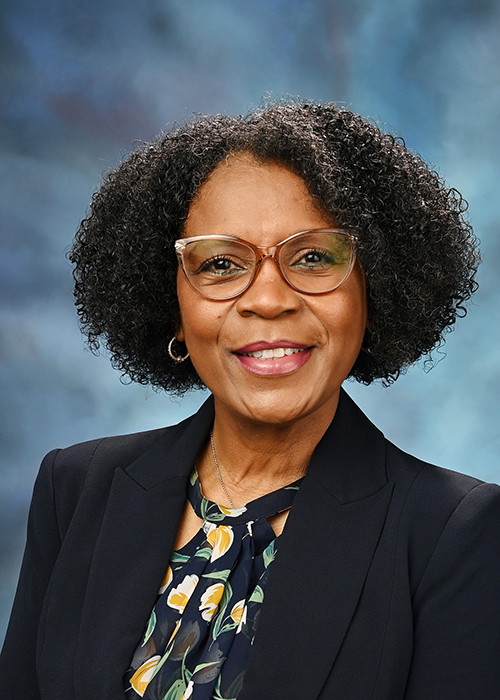 Adriane L. JohnsonD Primary sponsor · District 30
All 4 cosponsors
From Illinois's official records (www.ilga.gov), checked Nov 2, 2026. Text links go to the official versions; LegiList does not copy bill text.