MENTAL HLTH PROFESSIONAL GRANT
- Introduced Jan 31, 2024
- In committee Feb 6, 2024
- Died
- Passed the Senate
- To the governor
- Became law
What it does
The legislature's own summary of the bill, or its official long title.
Creates the Mental Health and Substance Use Disorder Professional Support Grant Program Act. Creates within the Department of Human Services a Mental Health and Substance Use Disorder Professional Support Grant Program to provide grants to mental health facilities and substance use disorder treatment programs. Creates the Mental Health and Substance Use Disorder Professional Support Grant Fund as a special fund in…
Read the full title (266 words)
Creates the Mental Health and Substance Use Disorder Professional Support Grant Program Act. Creates within the Department of Human Services a Mental Health and Substance Use Disorder Professional Support Grant Program to provide grants to mental health facilities and substance use disorder treatment programs. Creates the Mental Health and Substance Use Disorder Professional Support Grant Fund as a special fund in the State treasury. Provides that money in the Fund shall be used by the Secretary of the Department to make grants to eligible mental health facilities and substance use disorder treatment programs. Requires grant recipients to use grant funds for expenses related to recruiting, retaining, and compensating licensed mental health or substance use disorder professionals. Provides that each grant recipient shall receive up to $200,000 in grant funding for each mental health or substance use disorder professional employed, engaged, or contracted by the recipient. Contains provisions concerning application requirements and Department rulemaking authority. Amends the Substance Use Disorder Act. Provides that the amendatory provisions may be referred to as the Equity in Accessibility Law. Requires the Department to provide funding and reimbursement for those costs associated with the provision of American Sign Language services and interpretive services for non-English speaking patients at substance use disorder treatment programs and facilities. Provides that funding and reimbursement shall be based upon the actual cost incurred by the substance use disorder treatment program or facility and shall reflect regional differences in costs and expenses related to the provision of American Sign Language and interpretive services at each location. Contains provisions on applications requirements and Department rulemaking authority. Effective immediately.
Every action
17 steps, oldest first, as the legislature records them.
Show the 9 earlier steps
- HouseFiled with the Clerk by Rep. Lindsey LaPointe
- HouseFirst Reading
- CommitteeReferred to Rules Committee · House Rules
- CommitteeAssigned to Mental Health & Addiction Committee · House Mental Health & Addiction
- HouseHouse Committee Amendment No. 1 Filed with Clerk by Rep. Lindsey LaPointe
- CommitteeHouse Committee Amendment No. 1 Referred to Rules Committee · House Rules
- CommitteeHouse Committee Amendment No. 1 Rules Refers to Mental Health & Addiction Committee · House Mental Health & Addiction
- HouseAdded Co-Sponsor Rep. Will Guzzardi
- HouseAdded Chief Co-Sponsor Rep. Maurice A. West, II
- CommitteeHouse Committee Amendment No. 1 Adopted in Mental Health & Addiction Committee; by Voice Vote · House Mental Health & Addiction
- CommitteeDo Pass as Amended / Short Debate Mental Health & Addiction Committee; 014-005-000 · House Mental Health & Addiction
- HouseAdded Co-Sponsor Rep. Michelle Mussman
- HousePlaced on Calendar 2nd Reading - Short Debate
- HouseSecond Reading - Short Debate
- HouseHeld on Calendar Order of Second Reading - Short Debate
- CommitteeRule 19(a) / Re-referred to Rules Committee · House Rules
- HouseSession Sine Die
Roll calls
1 recorded vote: 0 on the floor, 1 in committee. Each shows how every member voted.
Committee votes
| Date | Where | Question | Result |
|---|---|---|---|
| Mar 22, 2024 | House Mental Health & Addiction | Mental Health & Addiction - Do Pass As Amended | Passed 14–5 |
Sponsors
The member who introduced it, joined by 3 cosponsors: 3 Democrats.
-
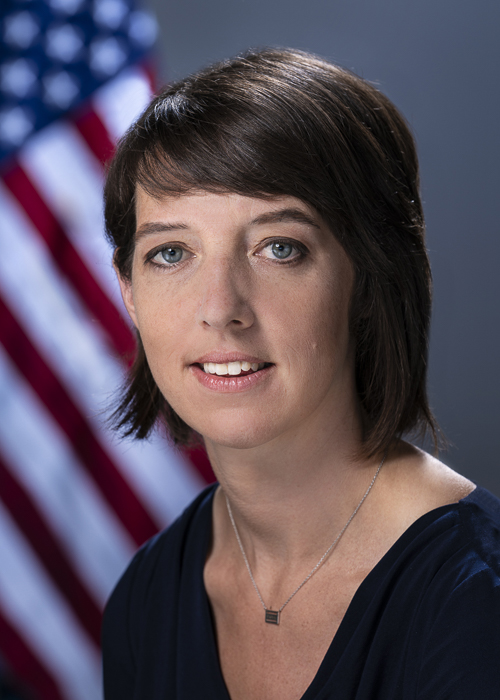 Lindsey LaPointeD Primary sponsor · District 19
All 3 cosponsors
From Illinois's official records (www.ilga.gov), checked Nov 13, 2026. Text links go to the official versions; LegiList does not copy bill text.