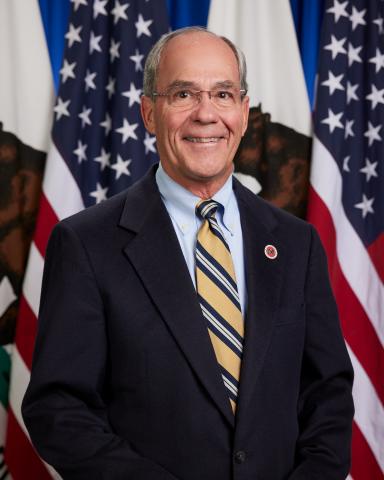
The legislature's own summary of the bill, or its official long title.
Existing law prohibits discrimination on the basis of various specified personal characteristics, including disability. Existing law imposes minimum statutory damages for construction-related accessibility claims if the violation of a construction-related accessibility standard denied the plaintiff full and equal access to the place of public accommodation on a particular occasion, as specified. Existing law imposes…
Read the full title (236 words)
Existing law prohibits discrimination on the basis of various specified personal characteristics, including disability. Existing law imposes minimum statutory damages for construction-related accessibility claims if the violation of a construction-related accessibility standard denied the plaintiff full and equal access to the place of public accommodation on a particular occasion, as specified. Existing law imposes various limits on a defendant’s liability for statutory damages under specified sets of conditions, including if the defendant, among other things, corrects the construction-related violations within a specified time.
This bill would prohibit a construction-related accessibility claim for statutory damages from being initiated in a legal proceeding against a defendant who employs 50 or fewer individuals, as specified, unless the defendant has been served with a letter specifying each alleged violation, and the alleged violations have not been corrected within 120 days of service of the letter. The bill would provide that a defendant is not liable for statutory damages, plaintiff’s attorney’s fees, or costs for an alleged violation that is corrected within 120 days of service of a letter alleging the violation. The bill would also prohibit a plaintiff from avoiding the notice and opportunity to correct provisions and the liability limitations by claiming they are seeking general discrimination damages based on a violation of the Americans with Disabilities Act of 1990 if the underlying claim is based on a defendant’s failure to comply with physical accessibility standards under California law.
Every action
16 steps, oldest first, as the legislature records them.
Show the 8 earlier steps
SenateIntroduced. Read first time. To Com. on RLS. for assignment. To print.
SenateFrom printer. May be acted upon on or after February 17.
CommitteeReferred to Coms. on JUD. and APPR. · Senate Judiciary
CommitteeFrom committee with author's amendments. Read second time and amended. Re-referred to Com. on JUD. · Senate Judiciary
CommitteeSet for hearing April 22. · Senate Judiciary
CommitteeFrom committee: Do pass and re-refer to Com. on APPR. (Ayes 11. Noes 0. Page 833.) (April 22). Re-referred to Com. on APPR. · Senate Judiciary
CommitteeSet for hearing May 5. · Senate Appropriations
Processed by Stripe in a separate window. LegiList never sees card details.
Other amounts
From California's official records (downloads.leginfo.legislature.ca.gov), checked Nov 18, 2026.
Text links go to the official versions; LegiList does not copy bill text.