Crimes: looting.
- Introduced Jan 21, 2025
- In committee Mar 28, 2025
- Passed the Assembly Next
- Passed the Senate
- To the governor
- Became law
What it does
The legislature's own summary of the bill, or its official long title.
Existing law defines the crime of burglary, which consists of entering specified buildings, places, or vehicles with the intent to commit grand or petty theft or a felony. Existing law defines burglary of the first degree as any burglary of an inhabited building and makes burglary of the first degree punishable by imprisonment in the state prison for 2, 4, or 6 years. Existing law defines all other burglary as…
Read the full title (417 words)
Existing law defines the crime of burglary, which consists of entering specified buildings, places, or vehicles with the intent to commit grand or petty theft or a felony. Existing law defines burglary of the first degree as any burglary of an inhabited building and makes burglary of the first degree punishable by imprisonment in the state prison for 2, 4, or 6 years. Existing law defines all other burglary as burglary of the 2nd degree and makes it punishable by imprisonment in the county jail for one year or as a felony. Existing law makes the theft of money, labor, or property petty theft punishable as a misdemeanor, whenever the value of the property taken does not exceed $950. Under existing law, if the value of the property taken exceeds $950, the theft is grand theft, punishable as a misdemeanor or a felony. Existing law defines any 2nd-degree burglary or grand theft, during and within an affected county in a state of emergency or local emergency, as specified, as looting, punishable by either imprisonment in a county jail for one year or as a felony. Existing law makes petty theft committed during and within an affected county in a state of emergency or local emergency a misdemeanor and requires a minimum jail term of 90 days. Existing law prohibits credibly impersonating a peace officer, firefighter, or employee of a state or local government agency, or a search and rescue team, as specified. A violation of these prohibitions is punishable as a misdemeanor. This bill would make looting by the means of a 2nd-degree burglary or grand theft punishable instead as a felony. The bill would define a petty theft committed during and within an affected county in a state of emergency or local emergency as looting and make it punishable by imprisonment in the county jail for one year or as a felony. The bill would require any person who in the course of committing or attempting to commit the crime of looting impersonated a peace officer, firefighter, or employee of a state or local government agency, or a search and rescue team, subject to a penalty enhancement. By increasing the punishment of a crime, this bill would impose a state-mandated local program. The California Constitution requires the state to reimburse local agencies and school districts for certain costs mandated by the state. Statutory provisions establish procedures for making that reimbursement. This bill would provide that no reimbursement is required by this act for a specified reason.
Every action
7 steps, oldest first, as the legislature records them.
- AssemblyRead first time. To print.
- AssemblyFrom printer. May be heard in committee February 21.
- CommitteeReferred to Com. on PUB. S. · Assembly Public Safety
- CommitteeIn committee: Set, first hearing. Hearing canceled at the request of author. · Assembly Public Safety
- CommitteeIn committee: Set, second hearing. Hearing canceled at the request of author. · Assembly Public Safety
- CommitteeDied pursuant to Art. IV, Sec. 10(c) of the Constitution. · Assembly Public Safety
- CommitteeFrom committee: Filed with the Chief Clerk pursuant to Joint Rule 56. · Assembly Public Safety
Roll calls
No recorded votes on this bill yet.
Sponsors
The member who introduced it, joined by 1 cosponsor: 1 Republican.
-
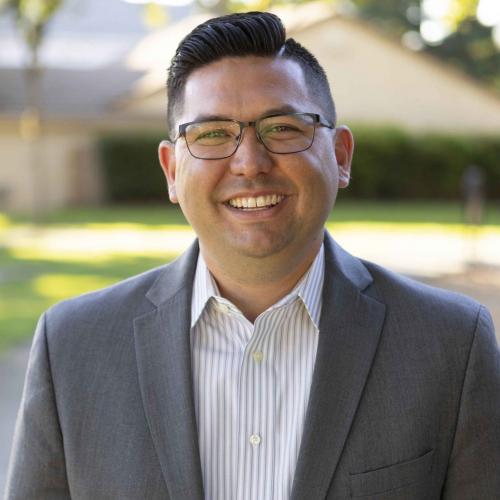 Josh HooverR Primary sponsor · District 7
All 1 cosponsor
Support LegiList
This page is free, carries no paywall, and is built and maintained by one person. If the record here is useful to you, a few dollars keeps it going.
From California's official records (downloads.leginfo.legislature.ca.gov), checked Nov 18, 2026. Text links go to the official versions; LegiList does not copy bill text.