Controlled substances: research.
- Introduced Feb 20, 2026
- In committee Mar 9, 2026
- Passed the Assembly Next
- Passed the Senate
- To the governor
- Became law
What it does
The legislature's own summary of the bill, or its official long title.
Existing law, the California Uniform Controlled Substances Act, classifies controlled substances into 5 designated schedules, with the most restrictive limitations generally placed on controlled substances classified in Schedule I, and the least restrictive limitations generally placed on controlled substances in Schedule V. Existing law creates the Research Advisory Panel, as specified, to conduct hearings on, and…
Read the full title (229 words)
Existing law, the California Uniform Controlled Substances Act, classifies controlled substances into 5 designated schedules, with the most restrictive limitations generally placed on controlled substances classified in Schedule I, and the least restrictive limitations generally placed on controlled substances in Schedule V. Existing law creates the Research Advisory Panel, as specified, to conduct hearings on, and in other ways study, research projects concerning controlled substances. Existing law authorizes the panel to approve research projects that have been registered with the Attorney General concerning the nature and effects of cannabis or hallucinogenic drugs and the treatment of abuse of controlled substances. Existing law authorizes a person who, under federal law, is entitled to use controlled substances for the purpose of research, instruction, or analysis to lawfully obtain and use those controlled substances upon approval by the panel, as specified. This bill, the California Veterans’ Right to Try Act, would, until January 1, 2032, authorize the Research Advisory Panel to submit an investigational new drug application to the United States Food and Drug Administration requesting approval for a clinical trial of Schedule I or Schedule II controlled substances to study the administration and efficacy of those compounds among a patient pool comprised exclusively of veteran subjects with comorbidities that commonly overlap with the incidence of suicidality among veterans. This bill would make technical changes and would make related findings and declarations.
Every action
9 steps, oldest first, as the legislature records them.
- AssemblyRead first time. To print.
- AssemblyFrom printer. May be heard in committee March 23.
- CommitteeReferred to Coms. on HEALTH and M. & V.A. · Assembly Health
- CommitteeFrom committee: Amend, and do pass as amended and re-refer to Com. on APPR. (Ayes 16. Noes 0.) (April 7). · Assembly Health
- AssemblyRead second time and amended.
- CommitteeRe-referred to Com. on APPR. · Assembly Appropriations
- CommitteeIn committee: Set, first hearing. Referred to APPR. suspense file. · Assembly Appropriations
- CommitteeCoauthors revised. · Assembly Appropriations
- CommitteeIn committee: Held under submission. · Assembly Appropriations
Roll calls
1 recorded vote: 0 on the floor, 1 in committee. Each shows how every member voted.
Committee votes
| Date | Where | Question | Result |
|---|---|---|---|
| Apr 7, 2026 | Assembly Health | Do pass as amended and be re-referred to the Committee on [Appropriations] | Passed 16–0 |
Sponsors
The member who introduced it, joined by 2 cosponsors: 1 Democrat, 1 Republican.
-
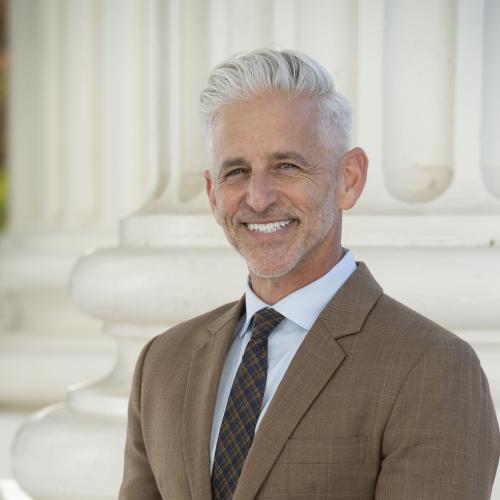 Josh LowenthalD Primary sponsor · District 69
-
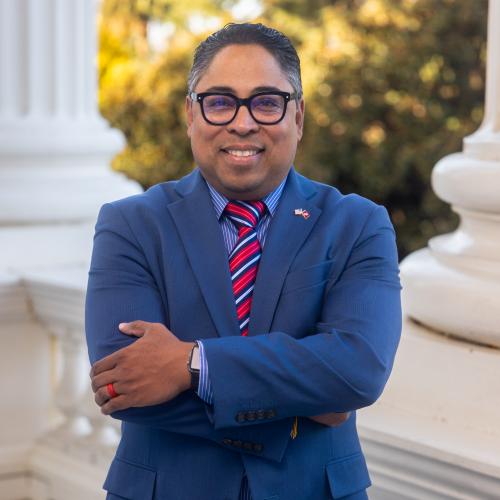 Jeff GonzalezR Joint sponsor · District 36
All 2 cosponsors
Support LegiList
This page is free, carries no paywall, and is built and maintained by one person. If the record here is useful to you, a few dollars keeps it going.
From California's official records (downloads.leginfo.legislature.ca.gov), checked Nov 18, 2026. Text links go to the official versions; LegiList does not copy bill text.