Medi-Cal: private duty nursing.
- Introduced Feb 19, 2026
- In committee Mar 9, 2026
- Passed the Assembly Next
- Passed the Senate
- To the governor
- Became law
What it does
The legislature's own summary of the bill, or its official long title.
Existing law, the Medi-Cal Act, establishes the Medi-Cal program, which is administered by the State Department of Health Care Services and under which qualified low-income individuals receive health care services. Under existing law, early and periodic screening, diagnostic, and treatment (EPSDT) services, including private duty nursing services, are covered under Medi-Cal for an individual under 21 years of age in…
Read the full title (197 words)
Existing law, the Medi-Cal Act, establishes the Medi-Cal program, which is administered by the State Department of Health Care Services and under which qualified low-income individuals receive health care services. Under existing law, early and periodic screening, diagnostic, and treatment (EPSDT) services, including private duty nursing services, are covered under Medi-Cal for an individual under 21 years of age in accordance with certain federal provisions. The Medi-Cal program is in part governed by, and funded pursuant to, federal Medicaid program provisions. This bill would require the department to measure and assess whether private duty nursing services provided as part of the EPSDT benefit are in compliance with federal Medicaid requirements, as specified. The bill would require the assessment to include a comparison of the hours of EPSDT private duty nursing services authorized by the Medi-Cal program to the hours actually provided to eligible beneficiary children and a determination of whether the reimbursement rates for those services are sufficient to ensure that all authorized hours are able to be provided. The bill would require the department to prepare and submit a report to the Legislature on the findings of the assessment by no later than March 1, 2027.
Every action
9 steps, oldest first, as the legislature records them.
- AssemblyRead first time. To print.
- AssemblyFrom printer. May be heard in committee March 22.
- CommitteeReferred to Com. on HEALTH. · Assembly Health
- CommitteeIn committee: Hearing postponed by committee. · Assembly Health
- CommitteeFrom committee chair, with author's amendments: Amend, and re-refer to Com. on HEALTH. Read second time and amended. · Assembly Health
- CommitteeRe-referred to Com. on HEALTH. · Assembly Health
- CommitteeFrom committee: Do pass and re-refer to Com. on APPR. with recommendation: To Consent Calendar. (Ayes 16. Noes 0.) (April 21). Re-referred to Com. on APPR. · Assembly Health
- CommitteeIn committee: Set, first hearing. Referred to APPR. suspense file. · Assembly Appropriations
- CommitteeIn committee: Held under submission. · Assembly Appropriations
Roll calls
1 recorded vote: 0 on the floor, 1 in committee. Each shows how every member voted.
Committee votes
| Date | Where | Question | Result |
|---|---|---|---|
| Apr 21, 2026 | Assembly Health | Do pass and be re-referred to the Committee on [Appropriations] with recommendation: To Consent Calendar | Passed 16–0 |
Sponsors
The member who introduced it.
-
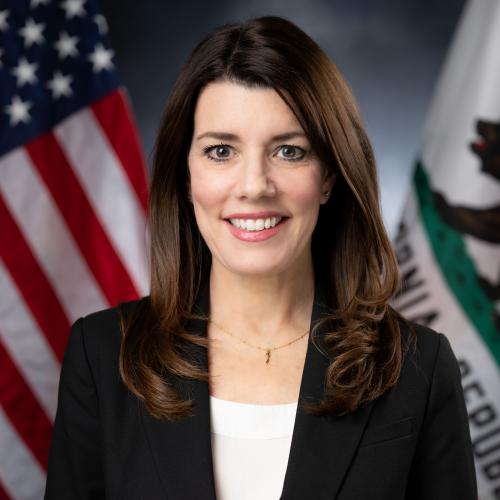 Catherine StefaniD Primary sponsor · District 19
Support LegiList
This page is free, carries no paywall, and is built and maintained by one person. If the record here is useful to you, a few dollars keeps it going.
From California's official records (downloads.leginfo.legislature.ca.gov), checked Nov 18, 2026. Text links go to the official versions; LegiList does not copy bill text.