Executive Order
Steps to Increase Competition and Better Inform Consumers and Workers to Support Continued Growth of the American Economy
Document ID
doc_c82538e81ab39883
Number
2016-09346
Citation
81 FR 23417
Context
- TypeExecutive Order
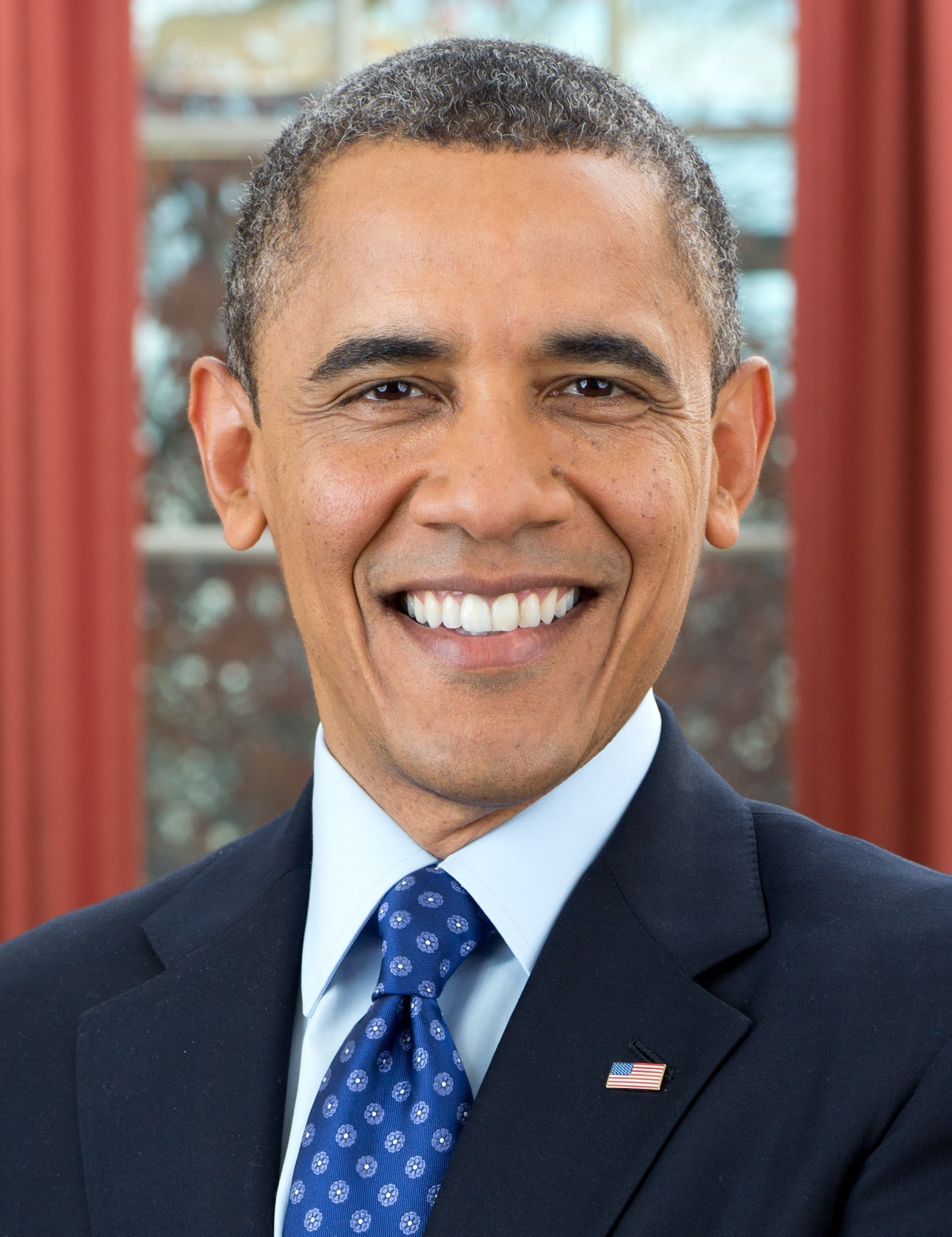
- President Barack Obama
- IssuedApril 15, 2016
- PublishedApril 20, 2016
Summary
Executive Order: Steps to Increase Competition and Better Inform Consumers and Workers to Support Continued Growth of the American Economy
Document Text
Executive Order 13725 of April 15, 2016

Steps to Increase Competition and Better Inform
Consumers and Workers to Support Continued Growth of
the American Economy

By the authority vested in me as President by the
Constitution and the laws of the United States of
America, and in order to protect American consumers and
workers and encourage competition in the U.S. economy,
it is hereby ordered as follows:

Section 1. Policy. Maintaining, encouraging, and
supporting a fair, efficient, and competitive
marketplace is a cornerstone of the American economy.
Consumers and workers need both competitive markets and
information to make informed choices.

Certain business practices such as unlawful collusion,
illegal bid rigging, price fixing, and wage setting, as
well as anticompetitive exclusionary conduct and
mergers stifle competition and erode the foundation of
America's economic vitality. The immediate results of
such conduct--higher prices and poorer service for
customers, less innovation, fewer new businesses being
launched, and reduced opportunities for workers--can
impact Americans in every walk of life.

Competitive markets also help advance national
priorities, such as the delivery of affordable health
care, energy independence, and improved access to fast
and affordable broadband. Competitive markets also
promote economic growth, which creates opportunity for
American workers and encourages entrepreneurs to start
innovative companies that create jobs.

The Department of Justice (DOJ) and the Federal Trade
Commission (FTC) have a proven record of detecting and
stopping anticompetitive conduct and challenging
mergers and acquisitions that threaten to consolidate
markets and reduce competition.

Promoting competitive markets and ensuring that
consumers and workers have access to the information
needed to make informed choices must be a shared
priority across the Federal Government. Executive
departments and agencies can contribute to these goals
through, among other things, pro-competitive rulemaking
and regulations, and by eliminating regulations that
create barriers to or limit competition. Such
Government-wide action is essential to ensuring that
consumers, workers, startups, small businesses, and
farms reap the full benefits of competitive markets.

Sec. 2. Agency Responsibilities. (a) Executive
departments and agencies with authorities that could be
used to enhance competition (agencies) shall, where
consistent with other laws, use those authorities to
promote competition, arm consumers and workers with the
information they need to make informed choices, and
eliminate regulations that restrict competition without
corresponding benefits to the American public.

(b) Agencies shall identify specific actions that
they can take in their areas of responsibility to build
upon efforts to detect abuses such as price fixing,
anticompetitive behavior in labor and other input
markets, exclusionary conduct, and blocking access to
critical resources that are needed for competitive
entry. Behaviors that appear to violate our antitrust
laws should be referred to antitrust enforcers at DOJ
and the FTC. Such a referral shall not preclude further
action by the referring agency against that behavior
under that agency's relevant statutory authority.

(c) Agencies shall also identify specific actions
that they can take in their areas of responsibility to
address undue burdens on competition. As permitted by
law, agencies shall consult with other interested
parties to identify ways that the agency can promote
competition through pro-competitive rulemaking and
regulations, by providing consumers and workers with
information they need to make informed choices, and by
eliminating regulations that restrict competition
without corresponding benefits to the American public.
(d) Not later than 30 days from the date of this
order, agencies shall submit to the Director of the
National Economic Council an initial list of (1)
actions each agency can potentially take to promote
more competitive markets; (2) any specific practices,
such as blocking access to critical resources, that
potentially restrict meaningful consumer or worker
choice or unduly stifle new market entrants, along with
any actions the agency can potentially take to address
those practices; and (3) any relevant authorities and
tools potentially available to enhance competition or
make information more widely available for consumers
and workers.
(e) Not later than 60 days from the date of this
order, agencies shall report to the President, through
the Director of the National Economic Council,
recommendations on agency-specific actions that
eliminate barriers to competition, promote greater
competition, and improve consumer access to information
needed to make informed purchasing decisions. Such
recommendations shall include a list of priority
actions, including rulemakings, as well as timelines
for completing those actions.
(f) Subsequently, agencies shall report semi-
annually to the President, through the Director of the
National Economic Council, on additional actions that
they plan to undertake to promote greater competition.
(g) Sections 2(d), 2(e), and 2(f) of this order do
not require reporting of information related to law
enforcement policy and activities.

Sec. 3. General Provisions. (a) This order shall be
implemented consistent with applicable law and subject
to the availability of appropriations.

(b) Independent agencies are strongly encouraged to
comply with the requirements of this order.
(c) Nothing in this order shall be construed to
impair or otherwise affect:

(i) the authority granted by law to a department or agency, or the head
thereof; or

(ii) the functions of the Director of the Office of Management and Budget
relating to budgetary, administrative, or legislative proposals.

(d) This order is not intended to, and does not,
create any right or benefit, substantive or procedural,
enforceable at law or in equity by any party against
the United States, its departments, agencies, or
entities, its officers, employees, or agents, or any
other person.

THE WHITE HOUSE,

April 15, 2016.