Executive Order
United States Policy on Pre- and Post-Strike Measures To Address Civilian Casualties in U.S. Operations Involving the Use of Force
Document ID
doc_7aeb4dcb15dfde3e
Number
2016-16295
Citation
81 FR 44485
Context
- TypeExecutive Order
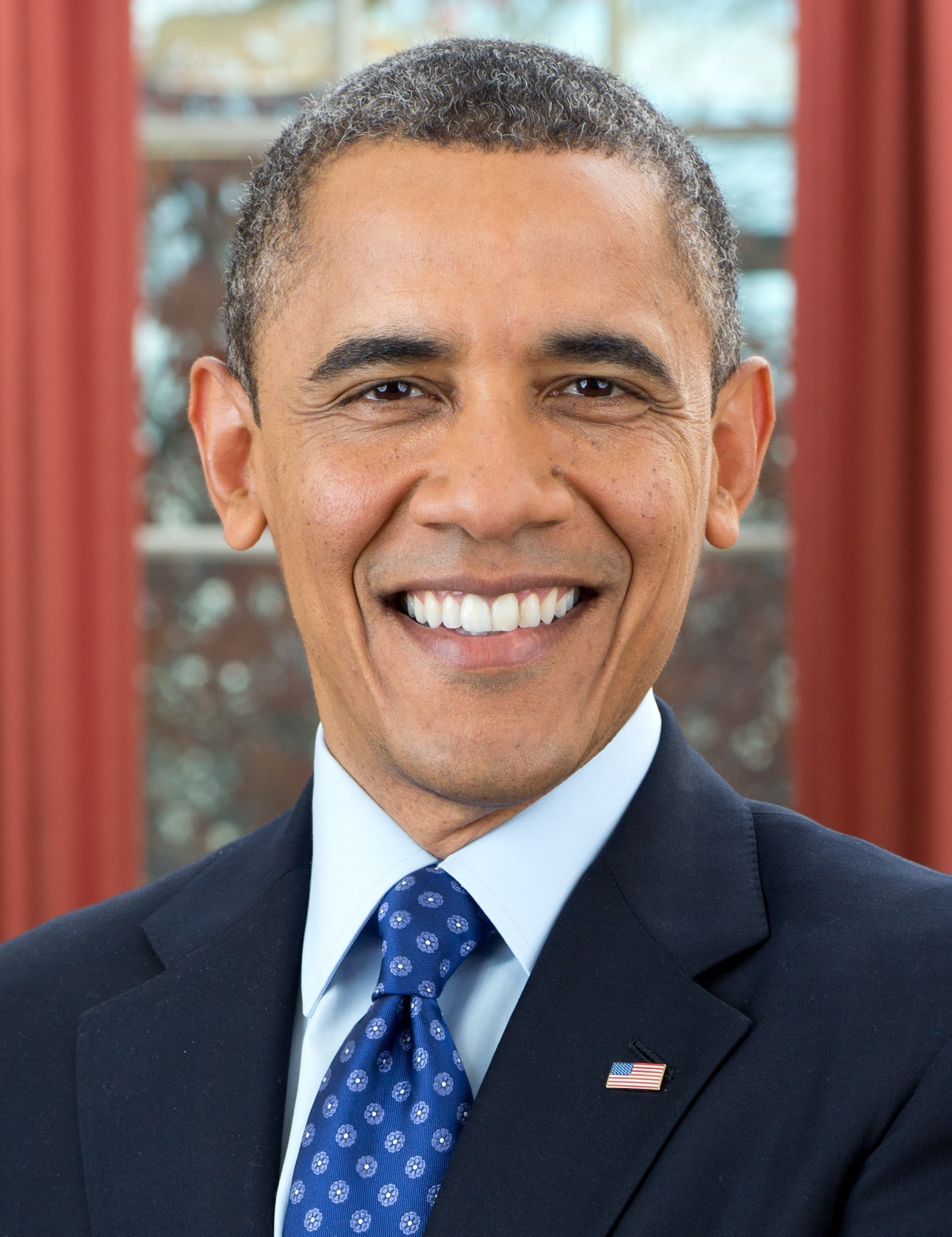
- President Barack Obama
- IssuedJuly 1, 2016
- PublishedJuly 7, 2016
Summary
Executive Order: United States Policy on Pre- and Post-Strike Measures To Address Civilian Casualties in U.S. Operations Involving the Use of Force
Document Text
Executive Order 13732 of July 1, 2016

United States Policy on Pre- and Post-Strike
Measures To Address Civilian Casualties in U.S.
Operations Involving the Use of Force

By the authority vested in me as President by the
Constitution and the laws of the United States of
America, I hereby direct as follows:

Section 1. Purpose. United States policy on civilian
casualties resulting from U.S. operations involving the
use of force in armed conflict or in the exercise of
the Nation's inherent right of self-defense is based on
our national interests, our values, and our legal
obligations. As a Nation, we are steadfastly committed
to complying with our obligations under the law of
armed conflict, including those that address the
protection of civilians, such as the fundamental
principles of necessity, humanity, distinction, and
proportionality.

The protection of civilians is fundamentally consistent
with the effective, efficient, and decisive use of
force in pursuit of U.S. national interests. Minimizing
civilian casualties can further mission objectives;
help maintain the support of partner governments and
vulnerable populations, especially in the conduct of
counterterrorism and counterinsurgency operations; and
enhance the legitimacy and sustainability of U.S.
operations critical to our national security. As a
matter of policy, the United States therefore routinely
imposes certain heightened policy standards that are
more protective than the requirements of the law of
armed conflict that relate to the protection of
civilians.

Civilian casualties are a tragic and at times
unavoidable consequence of the use of force in
situations of armed conflict or in the exercise of a
state's inherent right of self-defense. The U.S.
Government shall maintain and promote best practices
that reduce the likelihood of civilian casualties, take
appropriate steps when such casualties occur, and draw
lessons from our operations to further enhance the
protection of civilians.

Sec. 2. Policy. In furtherance of U.S. Government
efforts to protect civilians in U.S. operations
involving the use of force in armed conflict or in the
exercise of the Nation's inherent right of self-
defense, and with a view toward enhancing such efforts,
relevant departments and agencies (agencies) shall
continue to take certain measures in present and future
operations.

(a) In particular, relevant agencies shall,
consistent with mission objectives and applicable law,
including the law of armed conflict:

(i) train personnel, commensurate with their responsibilities, on
compliance with legal obligations and policy guidance that address the
protection of civilians and on implementation of best practices that reduce
the likelihood of civilian casualties, including through exercises, pre-
deployment training, and simulations of complex operational environments
that include civilians;

(ii) develop, acquire, and field intelligence, surveillance, and
reconnaissance systems that, by enabling more accurate battlespace
awareness, contribute to the protection of civilians;

(iii) develop, acquire, and field weapon systems and other technological
capabilities that further enable the discriminate use of force in different
operational contexts;

(iv) take feasible precautions in conducting attacks to reduce the
likelihood of civilian casualties, such as providing warnings to the
civilian population (unless the circumstances do not permit), adjusting the
timing of attacks, taking steps to ensure military objectives and civilians
are clearly distinguished, and taking other measures appropriate to the
circumstances; and

(v) conduct assessments that assist in the reduction of civilian casualties
by identifying risks to civilians and evaluating efforts to reduce risks to
civilians.

(b) In addition to the responsibilities above,
relevant agencies shall also, as appropriate and
consistent with mission objectives and applicable law,
including the law of armed conflict:

(i) review or investigate incidents involving civilian casualties,
including by considering relevant and credible information from all
available sources, such as other agencies, partner governments, and
nongovernmental organizations, and take measures to mitigate the likelihood
of future incidents of civilian casualties;

(ii) acknowledge U.S. Government responsibility for civilian casualties and
offer condolences, including ex gratia payments, to civilians who are
injured or to the families of civilians who are killed;

(iii) engage with foreign partners to share and learn best practices for
reducing the likelihood of and responding to civilian casualties, including
through appropriate training and assistance; and

(iv) maintain channels for engagement with the International Committee of
the Red Cross and other nongovernmental organizations that operate in
conflict zones and encourage such organizations to assist in efforts to
distinguish between military objectives and civilians, including by
appropriately marking protected facilities, vehicles, and personnel, and by
providing updated information on the locations of such facilities and
personnel.

Sec. 3. Report on Strikes Undertaken by the U.S.
Government Against Terrorist Targets Outside Areas of
Active Hostilities. (a) The Director of National
Intelligence (DNI), or such other official as the
President may designate, shall obtain from relevant
agencies information about the number of strikes
undertaken by the U.S. Government against terrorist
targets outside areas of active hostilities from
January 1, 2016, through December 31, 2016, as well as
assessments of combatant and non-combatant deaths
resulting from those strikes, and publicly release an
unclassified summary of such information no later than
May 1, 2017. By May 1 of each subsequent year, as
consistent with the need to protect sources and
methods, the DNI shall publicly release a report with
the same information for the preceding calendar year.

(b) The annual report shall also include
information obtained from relevant agencies regarding
the general sources of information and methodology used
to conduct these assessments and, as feasible and
appropriate, shall address the general reasons for
discrepancies between post-strike assessments from the
U.S. Government and credible reporting from
nongovernmental organizations regarding non-combatant
deaths resulting from strikes undertaken by the U.S.
Government against terrorist targets outside areas of
active hostilities.
(c) In preparing a report under this section, the
DNI shall review relevant and credible post-strike all-
source reporting, including such information from
nongovernmental sources, for the purpose of ensuring
that this reporting is available to and considered by
relevant agencies in their assessment of deaths.
(d) The Assistant to the President for National
Security Affairs may, as appropriate, request that the
head of any relevant agency conduct additional reviews
related to the intelligence assessments of deaths from
strikes against terrorist targets outside areas of
active hostilities.

Sec. 4. Periodic Consultation. In furtherance of the
policies and practices set forth in this order, the
Assistant to the President for National Security

Affairs, through the National Security Council staff,
will convene agencies with relevant defense,
counterterrorism, intelligence, legal, civilian
protection, and technology expertise to consult on
civilian casualty trends, consider potential
improvements to U.S. Government civilian casualty
mitigation efforts, and, as appropriate, report to the
Deputies and Principals Committees, consistent with
Presidential Policy Directive 1 or its successor.
Specific incidents will not be considered in this
context, and will continue to be examined within
relevant chains of command.

Sec. 5. General Provisions. (a) The policies and
practices set forth above are not intended to alter,
and shall be implemented consistent with, the authority
and responsibility of commanders and other U.S.
personnel to execute their mission as directed by the
President or other appropriate authorities, which
necessarily includes the inherent right of self-defense
and the maintenance of good order and discipline among
U.S. personnel. No part of this order modifies the
chain of command of the U.S. Armed Forces or the
authority of U.S. commanders.

(b) No part of this order modifies priorities in
the collection of intelligence or the development,
acquisition, or fielding of weapon systems and other
technological capabilities.
(c) No part of this order shall prejudice or
supplant established procedures pertaining to
administrative or criminal investigative or judicial
processes in the context of the military justice system
or other applicable law and regulation.
(d) The policies set forth in this order are
consistent with existing U.S. obligations under
international law and are not intended to create new
international legal obligations; nor shall anything in
this order be construed to derogate from obligations
under applicable law, including the law of armed
conflict.
(e) This order is not intended to, and does not,
create any right or benefit, substantive or procedural,
enforceable at law or in equity by any party against
the United States, its departments, agencies, or
entities, its officers, employees, or agents, or any
other person.

THE WHITE HOUSE,

July 1, 2016.