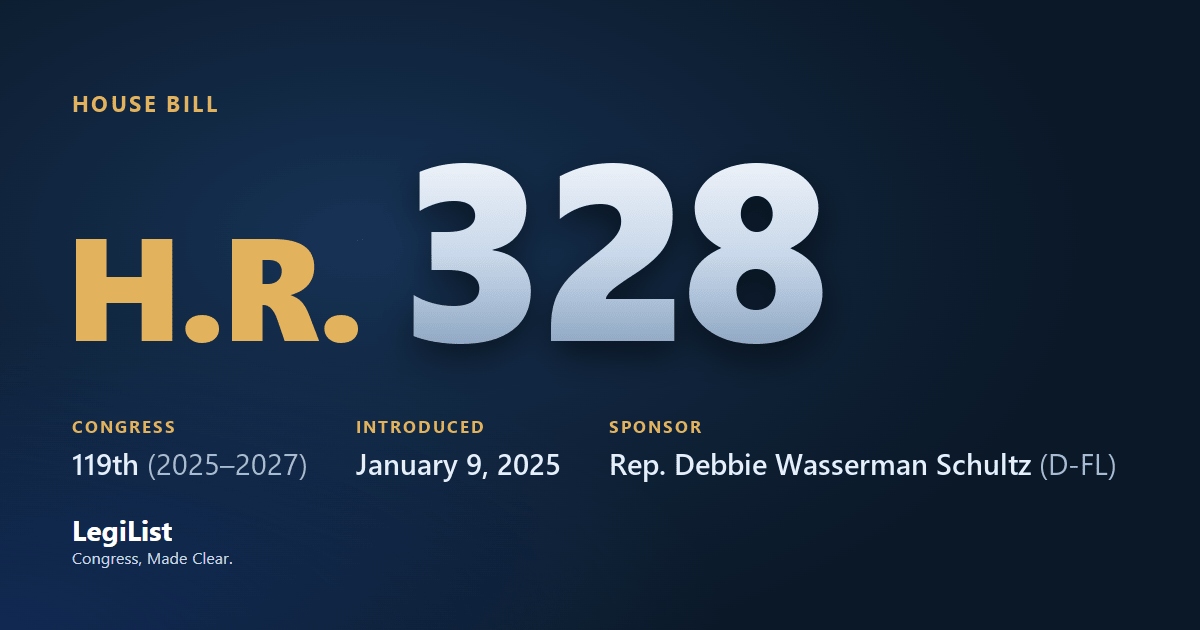
REVOCAR Act of 2025
Latest action · Jan 9, 2025 Referred to the House Committee on Foreign Affairs.
Progress
Where this bill reached, and when. A stage with no date was not reached; one that failed a vote and later carried shows the date it carried.
- IntroducedJan 9, 2025
- Passed HouseNot reached
- Passed SenateNot reached
- To the PresidentNot reached
- Became lawNot reached
Summary
Revoke Exemptions for Venezuelan Oil to Curb Autocratic Repression Act of 2025 or the REVOCAR Act of 2025
This bill prohibits U.S. investment in Venezuela's energy sector.
Specifically, the bill prohibits any transaction by a U.S. person (individual or entity) to invest, trade, or operate within Venezuela's energy sector and any transaction that attempts to evade such prohibition. This prohibition includes the provision of goods, services, or finance to (1) Venezuela's state-owned oil and natural gas company (Petroleos de Venezuela, S.A.), its subsidiaries, representatives, or related companies; or (2) the regime of Nicolas Maduro or any nondemocratic successor government in Venezuela.
The prohibitions of this bill terminate on the earlier of December 31, 2027, or the date the President submits a determination to Congress that the Maduro regime has recognized the July 28, 2024, electoral victory of Edmundo Gonzalez and relinquished power to the democratically elected government.
The President may waive these prohibitions on a case-by-case basis for not more than 90 days after determining such a waiver is vital to U.S. national security interests and submitting a report to Congress. Such waivers may be renewed.
Cosponsors 2
Members who signed on, in the order they did. Signatures ran from Jan 9, 2025 to May 20, 2025; 1 is an original cosponsor, there from the day it was introduced.
| Seat | Cosponsor | Signed on | |
|---|---|---|---|
| R-FL | Maria Elvira Salazar | Original | Jan 9, 2025 |
| D-NY | Thomas R. Suozzi | May 20, 2025 |
Committees 1
Where it was sent and what each committee and subcommittee did with it, in order.
| Chamber | Committee | What it did |
|---|---|---|
| House | Foreign Affairs Committee | Referred Jan 9, 2025 |
Actions 2
Everything that happened, newest first.
- Jan 9, 2025Introduced in House
- Jan 9, 2025Referred to the House Committee on Foreign Affairs.
Research
What has been written about this bill: committee reports, cost estimates, the sponsor’s authority statement, printed hearings and the Congressional Research Service’s work.
Constitutional authority
The sponsor’s statement, as printed in the Congressional Record, vol. 171, no. 5, January 9, 2025, page H93.
CRS reports 1
Congressional Research Service work that CRS links to this bill or the law it became, newest first.
Cite it 1
Products on other subjects that cite it, usually among other measures.
| Product | Title | Kind | Published |
|---|---|---|---|
| IF10715 | Venezuela: Overview of U.S. Sanctions Policy | Resource | Jan 16, 2026 |
Titles 3
Every title it has carried, official and short, at each stage.
- Official Title as Introduced
- To immediately halt investment by United States persons in the energy sector of Venezuela until the legitimate results of the July 28, 2024, election are respected.
- Short Title(s) as Introduced
- REVOCAR Act of 2025
- Revoke Exemptions for Venezuelan Oil to Curb Autocratic Repression Act of 2025
Subjects
Assigned by the Library of Congress. Policy area: International Affairs.
- Administrative law and regulatory procedures
- Civil actions and liability
- Department of the Treasury
- Elections, voting, political campaign regulation
- Human rights
- International Affairs
- Latin America
- Oil and gas
- Presidents and presidential powers, Vice Presidents
- Sanctions
- Sovereignty, recognition, national governance and status
- U.S. and foreign investments
- Venezuela
Text 1
Each version as it was printed, newest first.
- Jan 9, 2025Introduced in House
Support LegiList
This page is free, carries no paywall, and is built and maintained by one person. If the record here is useful to you, a few dollars keeps it going.
Everything here is as published by Congress: the summary is the Congressional Research Service's, the action wording is the clerks', and the subjects are the Library of Congress's. How far it got is read from the actions themselves, taking the most recent one of each kind, so a bill that failed a vote and later passed is shown as having passed. Records come from this bill on Congress.gov and govinfo.gov; cost estimates are the Congressional Budget Office's, and the hearings are the printed hearings GovInfo publishes, which can appear months after the hearing.