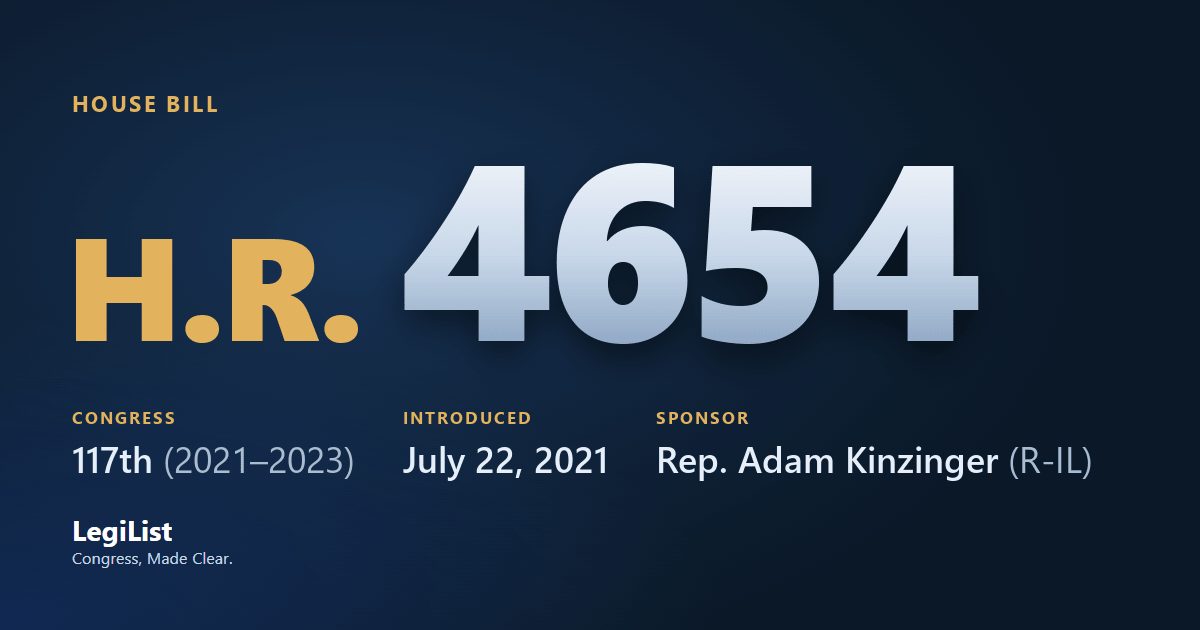
Social Media Fraud Mitigation Act
Latest action · Nov 1, 2022 Referred to the Subcommittee on Crime, Terrorism, and Homeland Security.
Progress
Where this bill reached, and when. A stage with no date was not reached; one that failed a vote and later carried shows the date it carried.
- IntroducedJul 22, 2021
- Passed HouseNot reached
- Passed SenateNot reached
- To the PresidentNot reached
- Became lawNot reached
Summary
Social Media Fraud Mitigation Act
This bill establishes new criminal offenses for fraudulent activities involving communications through social media, email, or other electronic messages.
First, the bill makes it unlawful to post or send messages through a fake social media account or profile to cause or threaten to cause financial or physical harm to an individual. A violation is punishable by a fine, a maximum prison term of up to one year (or up to five years if the offense is a repeat offense), or both.
Second, the bill makes is unlawful to send a fraudulent email or other electronic message to deceive the recipient and cause or threaten to cause financial or physical harm to an individual. A violation is punishable by a fine, a prison term of up to one year (or up to six years if the offense is intended to solicit an emergency response), or both.
Cosponsors
Members who signed on, in the order they did.
Committees 1
Where it was sent and what each committee and subcommittee did with it, in order.
| Chamber | Committee | What it did |
|---|---|---|
| House | Judiciary Committee | Referred Jul 22, 2021 |
| Crime and Federal Government Surveillance Subcommittee | Referred Nov 1, 2022 |
Actions 3
Everything that happened, newest first.
- Nov 1, 2022Referred to the Subcommittee on Crime, Terrorism, and Homeland Security.
- Jul 22, 2021Introduced in House
- Jul 22, 2021Referred to the House Committee on the Judiciary.
Research
What has been written about this bill: committee reports, cost estimates, the sponsor’s authority statement, printed hearings and the Congressional Research Service’s work.
Constitutional authority
The sponsor’s statement, as printed in the Congressional Record, vol. 167, no. 129, July 22, 2021, page H3846.
Related bills 1
Companion bills and other measures the record links to this one.
| Bill | Title | Relationship | Latest action |
|---|---|---|---|
| HR 6587 | Social Media Fraud Mitigation Act | Reintroduction of | Apr 21, 2020 |
Titles 2
Every title it has carried, official and short, at each stage.
- Official Title as Introduced
- To prohibit the creation and use of fake social media accounts or profiles and the sending of fraudulent emails or other electronic messages.
- Short Title(s) as Introduced
- Social Media Fraud Mitigation Act
Subjects
Assigned by the Library of Congress. Policy area: Crime and Law Enforcement.
Text 1
Each version as it was printed, newest first.
- Jul 22, 2021Introduced in House
Support LegiList
This page is free, carries no paywall, and is built and maintained by one person. If the record here is useful to you, a few dollars keeps it going.
Everything here is as published by Congress: the summary is the Congressional Research Service's, the action wording is the clerks', and the subjects are the Library of Congress's. How far it got is read from the actions themselves, taking the most recent one of each kind, so a bill that failed a vote and later passed is shown as having passed. Records come from this bill on Congress.gov and govinfo.gov; cost estimates are the Congressional Budget Office's, and the hearings are the printed hearings GovInfo publishes, which can appear months after the hearing.