To amend the Internal Revenue Code of 1986 to permanently allow a tax deduction for the mining, reclaiming, or recycling of critical minerals and metals from the United States, and to support the development of domestic supply chains for rare earth elements and other critical materials essential to United States technology, manufacturing, energy, healthcare and advanced medical devices, broadband infrastructure, transportation, and national defense.
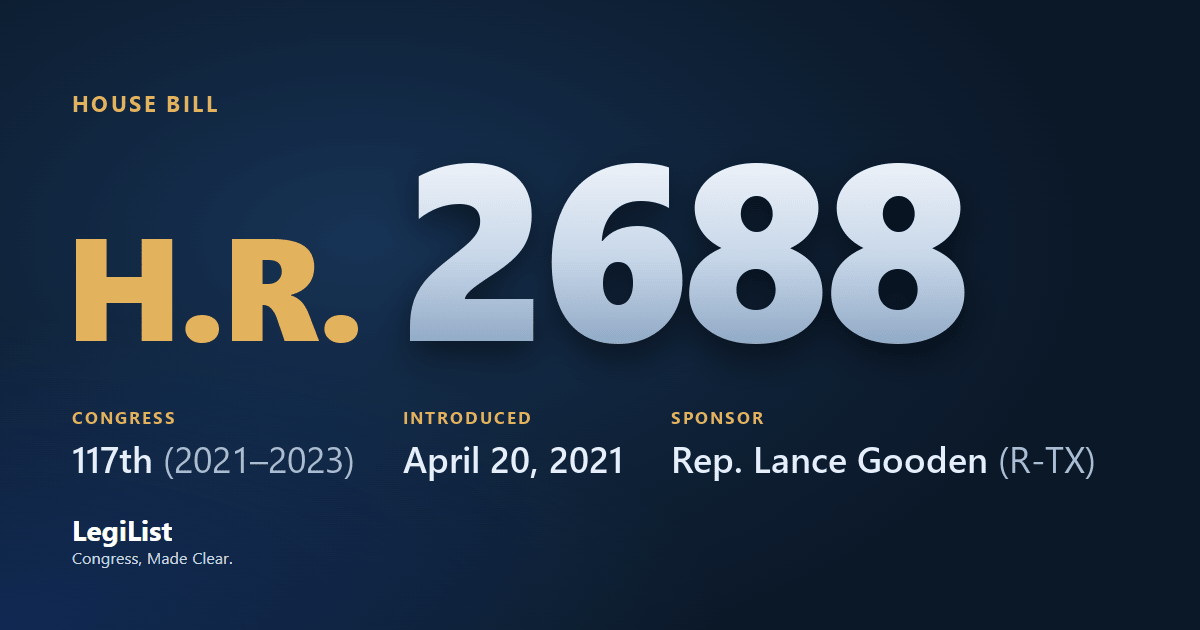
Latest action · Jun 11, 2021 Referred to the Subcommittee on Energy and Mineral Resources.
Progress
Where this bill reached, and when. A stage with no date was not reached; one that failed a vote and later carried shows the date it carried.
- IntroducedApr 20, 2021
- Passed HouseNot reached
- Passed SenateNot reached
- To the PresidentNot reached
- Became lawNot reached
Summary
This bill allows permanent expensing of property used in the mining, reclaiming, or recycling of certain critical minerals and metals within the United States and of nonresidential real property used in mining such minerals and metals. Expensing is the treatment of expenditures as operating costs deductible in full in the current taxable year.
The bill allows a new tax deduction for 200% of the cost of purchasing or acquiring such critical minerals and metals extracted from deposits in the United States and a 22% rate of percentage depletion for such critical minerals and metals.
The bill requires the Department of the Interior to establish a pilot project grant program for the development of critical minerals and metals in the United States. A grant awarded under such program may not exceed $10 million. In awarding grants, Interior must give priority to projects determined to be economically viable over the long term and must allot not less than 30% of grants funds to the secondary recovery of critical minerals and metals.
Cosponsors 6
Members who signed on, in the order they did. Signatures ran from Apr 20, 2021 to May 12, 2021; 1 is an original cosponsor, there from the day it was introduced.
| Seat | Cosponsor | Signed on | |
|---|---|---|---|
| D-TX | Vicente Gonzalez | Original | Apr 20, 2021 |
| R-PA | Guy Reschenthaler | Apr 26, 2021 | |
| D-TX | Henry Cuellar | Apr 26, 2021 | |
| D-CA | Eric Swalwell | May 12, 2021 | |
| R-MN | Jim Hagedorn | May 12, 2021 | |
| R-NY | Tom Reed | May 12, 2021 |
Committees 2
Where it was sent and what each committee and subcommittee did with it, in order.
| Chamber | Committee | What it did |
|---|---|---|
| House | Ways and Means Committee | Referred Apr 20, 2021 |
| House | Natural Resources Committee | Referred Apr 20, 2021 |
| Energy and Mineral Resources Subcommittee | Referred Jun 11, 2021 |
Actions 3
Everything that happened, newest first.
- Jun 11, 2021Referred to the Subcommittee on Energy and Mineral Resources.
- Apr 20, 2021Introduced in House
- Apr 20, 2021Referred to the Committee on Ways and Means, and in addition to the Committee on Natural Resources, for a period to be subsequently determined by the Speaker, in each case for consideration of such provisions as fall within the jurisdiction of the committee concerned.
Research
What has been written about this bill: committee reports, cost estimates, the sponsor’s authority statement, printed hearings and the Congressional Research Service’s work.
Constitutional authority
The sponsor’s statement, as printed in the Congressional Record, vol. 167, no. 68, April 20, 2021, page H1999.
Titles 1
Every title it has carried, official and short, at each stage.
- Official Title as Introduced
- To amend the Internal Revenue Code of 1986 to permanently allow a tax deduction for the mining, reclaiming, or recycling of critical minerals and metals from the United States, and to support the development of domestic supply chains for rare earth elements and other critical materials essential to United States technology, manufacturing, energy, healthcare and advanced medical devices, broadband infrastructure, transportation, and national defense.
Subjects
Assigned by the Library of Congress. Policy area: Taxation.
Text 1
Each version as it was printed, newest first.
- Apr 20, 2021Introduced in House
Support LegiList
This page is free, carries no paywall, and is built and maintained by one person. If the record here is useful to you, a few dollars keeps it going.
Everything here is as published by Congress: the summary is the Congressional Research Service's, the action wording is the clerks', and the subjects are the Library of Congress's. How far it got is read from the actions themselves, taking the most recent one of each kind, so a bill that failed a vote and later passed is shown as having passed. Records come from this bill on Congress.gov and govinfo.gov; cost estimates are the Congressional Budget Office's, and the hearings are the printed hearings GovInfo publishes, which can appear months after the hearing.