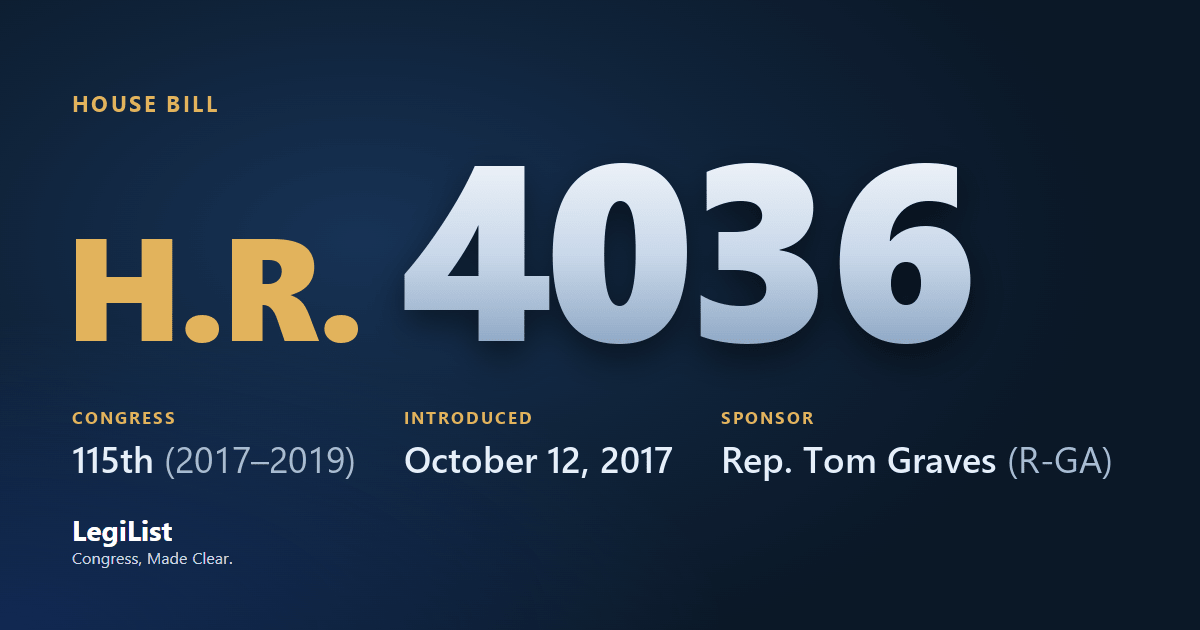
Active Cyber Defense Certainty Act
Latest action · Nov 1, 2017 Referred to the Subcommittee on Crime, Terrorism, Homeland Security, and Investigations.
Progress
Where this bill reached, and when. A stage with no date was not reached; one that failed a vote and later carried shows the date it carried.
- IntroducedOct 12, 2017
- Passed HouseNot reached
- Passed SenateNot reached
- To the PresidentNot reached
- Became lawNot reached
Summary
Active Cyber Defense Certainty Act
This bill amends the federal criminal code to limit the prosecution of computer fraud and abuse offenses where the conduct constituting an offense involves a response to, or defense against, a cyber intrusion.
Cosponsors 9
Members who signed on, in the order they did. Signatures ran from Oct 12, 2017 to Nov 15, 2017, with 1 there on the day it was introduced.
| Seat | Cosponsor | Signed on | |
|---|---|---|---|
| D-AZ | Kyrsten Sinema | Original | Oct 12, 2017 |
| D-TX | Henry Cuellar | Oct 26, 2017 | |
| D-FL | Stephanie N. Murphy | Oct 26, 2017 | |
| R-GA | Austin Scott | Nov 1, 2017 | |
| R-NC | Walter B. Jones | Nov 1, 2017 | |
| R-GA | Barry Loudermilk | Nov 2, 2017 | |
| R-SC | Trey Gowdy | Nov 2, 2017 | |
| R-GA | Earl L. "Buddy" Carter | Nov 7, 2017 | |
| R-GA | A. Drew Ferguson IV | Nov 15, 2017 |
Actions 3
Everything that happened, newest first.
- Nov 1, 2017Referred to the Subcommittee on Crime, Terrorism, Homeland Security, and Investigations.
- Oct 12, 2017Introduced in House
- Oct 12, 2017Referred to the House Committee on the Judiciary.
Subjects
Assigned by the Library of Congress. Policy area: Crime and Law Enforcement.
- Computer security and identity theft
- Congressional oversight
- Crime and Law Enforcement
- Crime victims
- Criminal investigation, prosecution, interrogation
- Criminal justice information and records
- Fraud offenses and financial crimes
- Government information and archives
- Internet and video services
- Internet, web applications, social media
Text 1
Each version as it was printed, newest first.
- Oct 12, 2017Introduced in House
Everything here is as published by Congress: the summary is the Congressional Research Service's, the action wording is the clerks', and the subjects are the Library of Congress's. How far it got is read from the actions themselves, taking the most recent one of each kind, so a bill that failed a vote and later passed is shown as having passed. Records come from this bill on Congress.gov and govinfo.gov.