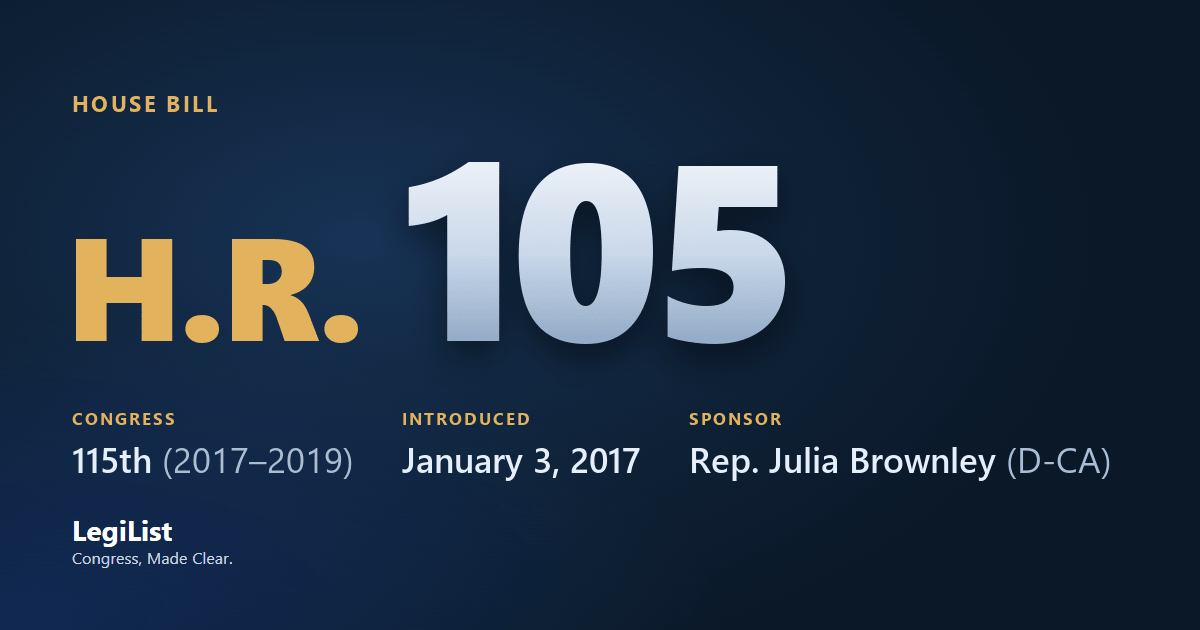
Protect Veterans from Financial Fraud Act of 2017
Latest action · Apr 27, 2017 Forwarded by Subcommittee to Full Committee by Voice Vote .
Progress
Where this bill reached, and when. A stage with no date was not reached; one that failed a vote and later carried shows the date it carried.
- IntroducedJan 3, 2017
- Passed HouseNot reached
- Passed SenateNot reached
- To the PresidentNot reached
- Became lawNot reached
Summary
Protect Veterans from Financial Fraud Act of 2017
This bill states that, in any case not involving negligent failure by the Department of Veterans Affairs (VA) to investigate or monitor a fiduciary that results in fiduciary misuse of benefits, but in which any fiduciary misuses all or part of an individual's benefit paid to the fiduciary, the VA shall pay to the beneficiary or the beneficiary's successor fiduciary an amount equal to the amount of the misused benefit.
An adverse determination by the VA of a veteran's mental capacity to manage VA monetary benefits may be appealed in accordance with provisions governing the Board of Veterans' Appeals and the U.S. Court of Appeals for Veterans Claims.
Cosponsors 3
Members who signed on, in the order they did. Signatures ran from Jan 9, 2017 to Jun 28, 2018.
| Seat | Cosponsor | Signed on | |
|---|---|---|---|
| D-CA | Mark DeSaulnier | Jan 9, 2017 | |
| D-NY | Grace Meng | Jun 2, 2017 | |
| R-CO | Mike Coffman | Jun 28, 2018 |
Committees 1
Where it was sent and what each committee and subcommittee did with it, in order.
| Chamber | Committee | What it did |
|---|---|---|
| House | Veterans' Affairs Committee | Referred Jan 3, 2017 |
| Disability Assistance and Memorial Affairs Subcommittee | Referred Jan 19, 2017Hearings Apr 5, 2017Markup Apr 27, 2017Reported Apr 27, 2017 |
Actions 6
Everything that happened, newest first.
- Apr 27, 2017Subcommittee Consideration and Mark-up Session Held.
- Apr 27, 2017Forwarded by Subcommittee to Full Committee by Voice Vote .
- Apr 5, 2017Subcommittee Hearings Held.
- Jan 19, 2017Referred to the Subcommittee on Disability Assistance and Memorial Affairs.
- Jan 3, 2017Introduced in House
- Jan 3, 2017Referred to the House Committee on Veterans' Affairs.
Research
What has been written about this bill: committee reports, cost estimates, the sponsor’s authority statement, printed hearings and the Congressional Research Service’s work.
Constitutional authority
The sponsor’s statement, as printed in the Congressional Record, vol. 163, no. 1, January 3, 2017, page H49.
Printed hearings 1
Hearings whose printed record names this bill, newest first: hearings on it, and wider hearings where it came up.
| Number | Hearing | Committee | Held |
|---|---|---|---|
| Serial No. 115-11 | LEGISLATIVE HEARING ON: H.R. 105; H.R. 299; H.R. 1328; H.R. 1329; H.R. 1390; H.R. 1564; AND A DRAFT BILL ENTITLED "QUICKER VETERANS BENEFITS DELIVERY ACT OF 2017."62 pages | Veterans' Affairs Committee | Apr 5, 2017 |
Related bills 1
Companion bills and other measures the record links to this one.
| Bill | Title | Relationship | Latest action |
|---|---|---|---|
| HR 592 | Protect Veterans from Financial Fraud Act of 2019 | Reintroduced Bill | Oct 22, 2019 |
Titles 2
Every title it has carried, official and short, at each stage.
- Official Title as Introduced
- To amend title 38, United States Code, to ensure that the Secretary of Veterans Affairs repays the misused benefits of veterans with fiduciaries, to establish an appeals process for determinations by the Secretary of Veterans Affairs of veterans' mental capacity, and for other purposes.
- Short Titles as Introduced
- Protect Veterans from Financial Fraud Act of 2017
Subjects
Assigned by the Library of Congress. Policy area: Armed Forces and National Security.
Text 1
Each version as it was printed, newest first.
- Jan 3, 2017Introduced in House
Everything here is as published by Congress: the summary is the Congressional Research Service's, the action wording is the clerks', and the subjects are the Library of Congress's. How far it got is read from the actions themselves, taking the most recent one of each kind, so a bill that failed a vote and later passed is shown as having passed. Records come from this bill on Congress.gov and govinfo.gov; cost estimates are the Congressional Budget Office's, and the hearings are the printed hearings GovInfo publishes, which can appear months after the hearing.