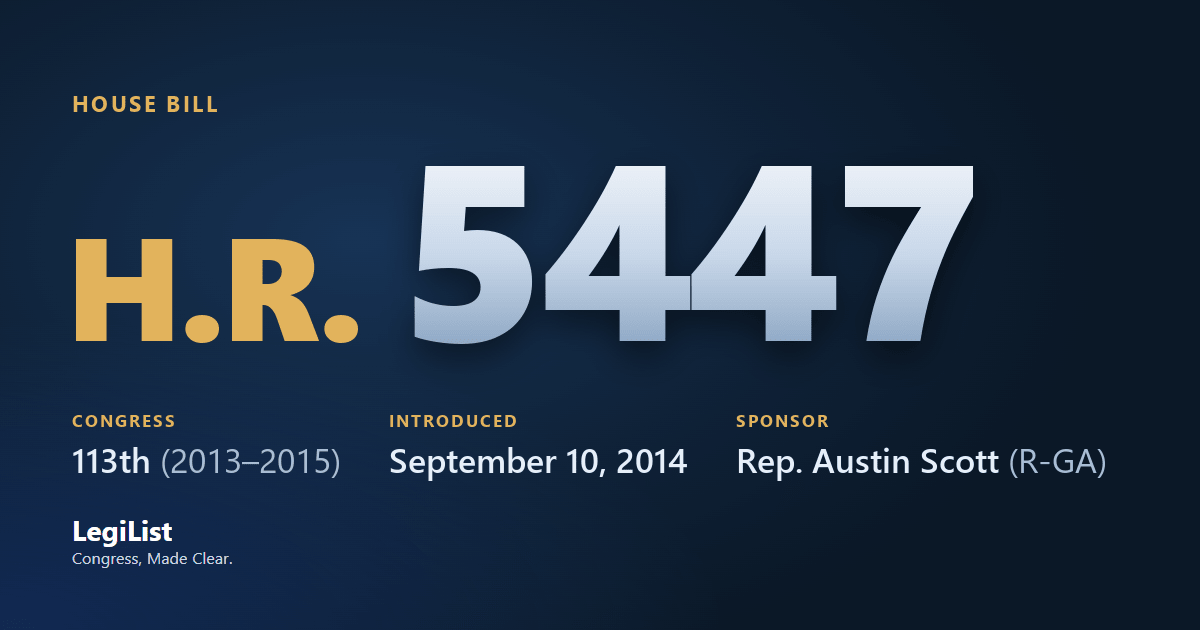
To amend the Federal Insecticide, Fungicide, and Rodenticide Act to increase the availability of pesticides for the management of parasitic pests that adversely impact the health of managed pollinator bees, and for other purposes.
Latest action · Sep 22, 2014 Referred to the Subcommittee on Horticulture, Research, Biotechnology, and Foreign Agriculture.
Progress
Where this bill reached, and when. A stage with no date was not reached; one that failed a vote and later carried shows the date it carried.
- IntroducedSep 10, 2014
- Passed HouseNot reached
- Passed SenateNot reached
- To the PresidentNot reached
- Became lawNot reached
Summary
Amends the Federal Insecticide, Fungicide, and Rodenticide Act (FIFRA) to allow expedited review of an application for the registration of a pesticide or an amendment to a currently registered pesticide if use of the pesticide proposed is reasonably expected to improve the health of managed pollinator bees (bees raised and housed in a managed hive or other appropriate housing and used for honey production, managed pollination of crops, or breeding for commercial purposes), including by managing resistance to parasitic pests of managed pollinator bees.
Requires the Department of Agriculture (USDA) to report on the extent and scope of the threat to the health of managed pollinator bees from: (1) pathological factors, including the species of parasitic mite known as Varroa mite (Varroa destructor), other arthropod pests, and fungal, microbial, and viral diseases; and (2) environmental factors, including the habitat, forage, beekeeper practices and husbandry, and nutritional needs of managed pollinator bees.
Requires the Environmental Protection Agency (EPA) to report on: (1) the availability of pesticides for management of parasitic pests that adversely impact the health of managed pollinator bees; and (2) EPA efforts to expedite approvals of new products to control parasitic pests of managed pollinator bees, including products to mitigate resistance to available products.
Cosponsors 2
Members who signed on, in the order they did. All signed on Nov 12, 2014.
| Seat | Cosponsor | Signed on | |
|---|---|---|---|
| R-NC | Mark Meadows | Nov 12, 2014 | |
| R-TX | Steve Stockman | Nov 12, 2014 |
Committees 1
Where it was sent and what each committee and subcommittee did with it, in order.
| Chamber | Committee | What it did |
|---|---|---|
| House | Agriculture Committee | Referred Sep 10, 2014 |
| Conservation, Research, and Biotechnology Subcommittee | Referred Sep 22, 2014 |
Actions 3
Everything that happened, newest first.
- Sep 22, 2014Referred to the Subcommittee on Horticulture, Research, Biotechnology, and Foreign Agriculture.
- Sep 10, 2014Introduced in House
- Sep 10, 2014Referred to the House Committee on Agriculture.
Research
What has been written about this bill: committee reports, cost estimates, the sponsor’s authority statement, printed hearings and the Congressional Research Service’s work.
Constitutional authority
The sponsor’s statement, as printed in the page H7434.
CRS reports 1
Congressional Research Service work that CRS links to this bill or the law it became, newest first.
Cite it 1
Products on other subjects that cite it, usually among other measures.
| Product | Title | Kind | Published |
|---|---|---|---|
| R43191 | Bee Health: Background and Issues for Congress Archived | Report | Jan 20, 2015 |
Titles 1
Every title it has carried, official and short, at each stage.
- Official Title as Introduced
- To amend the Federal Insecticide, Fungicide, and Rodenticide Act to increase the availability of pesticides for the management of parasitic pests that adversely impact the health of managed pollinator bees, and for other purposes.
Subjects
Assigned by the Library of Congress. Policy area: Agriculture and Food.
Text 1
Each version as it was printed, newest first.
- Sep 10, 2014Introduced in House
Support LegiList
This page is free, carries no paywall, and is built and maintained by one person. If the record here is useful to you, a few dollars keeps it going.
Everything here is as published by Congress: the summary is the Congressional Research Service's, the action wording is the clerks', and the subjects are the Library of Congress's. How far it got is read from the actions themselves, taking the most recent one of each kind, so a bill that failed a vote and later passed is shown as having passed. Records come from this bill on Congress.gov and govinfo.gov; cost estimates are the Congressional Budget Office's, and the hearings are the printed hearings GovInfo publishes, which can appear months after the hearing.