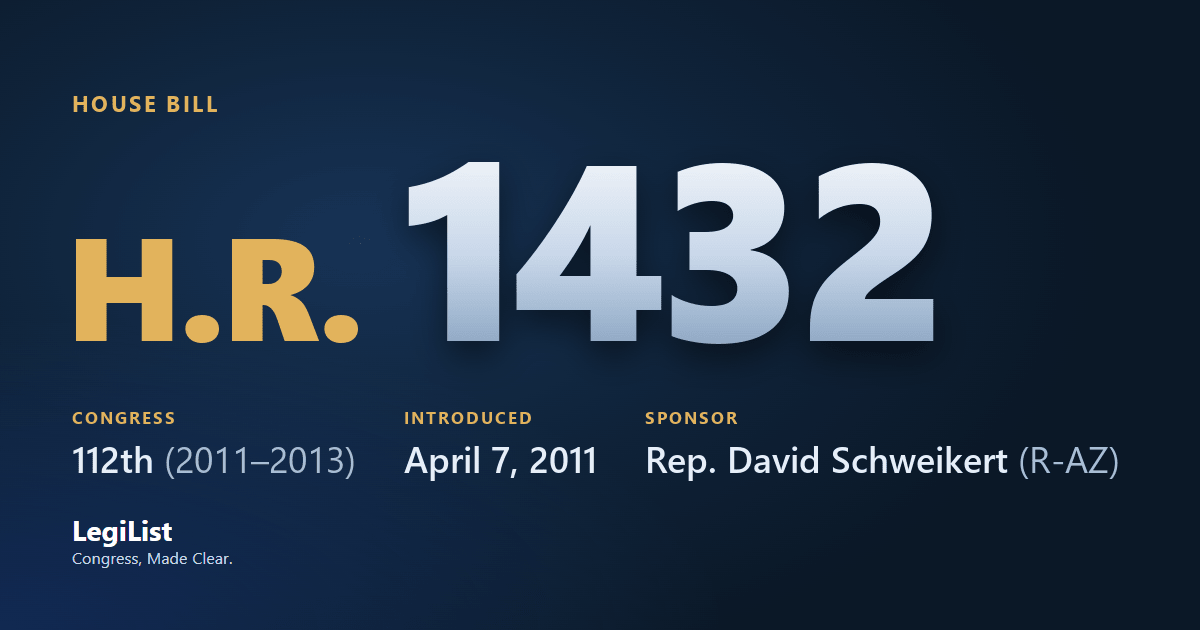
Creating Sunshine, Participation, and Accountability for our Nation Act
Latest action · Aug 25, 2011 Referred to the Subcommittee on Courts, Commercial and Administrative Law.
Progress
Where this bill reached, and when. A stage with no date was not reached; one that failed a vote and later carried shows the date it carried.
- IntroducedApr 7, 2011
- Passed HouseNot reached
- Passed SenateNot reached
- To the PresidentNot reached
- Became lawNot reached
Summary
Creating Sunshine, Participation, and Accountability for our Nation Act - Requires any rule issued under the Patient Protection and Affordable Care Act or the health care provisions of the Health Care and Education Reconciliation Act of 2010 to be made on the record after opportunity for an agency hearing. Requires the agency hearing to be open to the public, including to radio and television coverage, and to be presided over by an officer confirmed by the Senate.
Cosponsors 3
Members who signed on, in the order they did. Signatures ran from Apr 7, 2011 to Jun 14, 2011, with 1 there on the day it was introduced.
| Seat | Cosponsor | Signed on | |
|---|---|---|---|
| R-TX | Ron Paul | Original | Apr 7, 2011 |
| R-NC | Patrick T. McHenry | May 26, 2011 | |
| R-TX | Blake Farenthold | Jun 14, 2011 |
Actions 3
Everything that happened, newest first.
- Aug 25, 2011Referred to the Subcommittee on Courts, Commercial and Administrative Law.
- Apr 7, 2011Introduced in House
- Apr 7, 2011Referred to the House Committee on the Judiciary.
Subjects
Assigned by the Library of Congress. Policy area: Health.
Text 1
Each version as it was printed, newest first.
- Apr 7, 2011Introduced in House
Everything here is as published by Congress: the summary is the Congressional Research Service's, the action wording is the clerks', and the subjects are the Library of Congress's. How far it got is read from the actions themselves, taking the most recent one of each kind, so a bill that failed a vote and later passed is shown as having passed. Records come from this bill on Congress.gov and govinfo.gov.