Executive Order
Saving College Sports
Document ID
doc_2d4b7563bc3a686b
Number
2025-14392
Citation
90 FR 35821
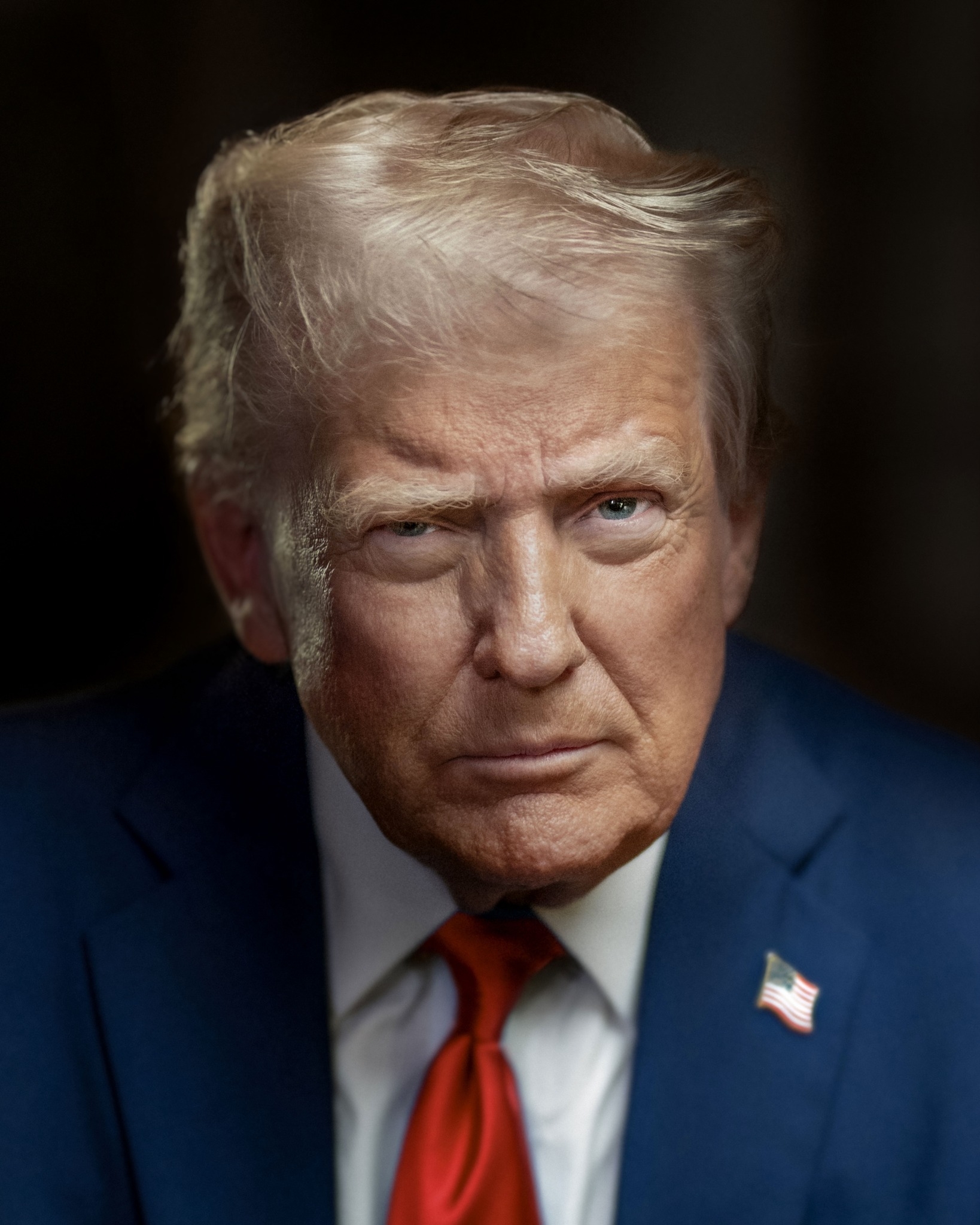
Context
- TypeExecutive Order
- President Donald J. Trump
- IssuedJuly 24, 2025
- PublishedJuly 29, 2025
Summary
Executive Order: Saving College Sports
Document Text
Executive Order 14322 of July 24, 2025

Saving College Sports

By the authority vested in me as President by the
Constitution and the laws of the United States of
America, it is hereby ordered:

Section 1. Purpose and Policy. College sports are a
uniquely American institution that provide life-
changing educational and leadership-development
opportunities to more than 500,000 student-athletes
through almost $4 billion in scholarships each year.
College athletics also provide substantial support to
local economies and form an indelible part of family
activities, pastimes, and culture in many communities.

While major college football games can draw tens of
millions of television viewers and attendees, they
feature only a very small sample of the many athletes
who benefit from the transformational opportunities
that college athletics provide. Sixty-five percent of
the 2024 United States Olympic Team members were
current or former National Collegiate Athletic
Association (NCAA) varsity athletes, and approximately
seventy-five percent were collegiate athletes. The 2024
United States Olympic Team earned 126 total medals,
leading the overall medal count for the eighth
consecutive Summer Olympic Games.

Beyond driving our unrivaled success in international
competition, college athletes are more likely to report
better outcomes in important respects during college
and after graduation. A substantial majority of female
executives at the largest American companies
participated in sports during adolescence, many at the
high school or collegiate level, and examples of
business leaders and former Presidents who played
college sports are legion. It is no exaggeration to say
that America's system of collegiate athletics plays an
integral role in forging the leaders that drive our
Nation's success.

Yet the future of college sports is under unprecedented
threat. Waves of recent litigation against collegiate
athletics governing rules have eliminated limits on
athlete compensation, pay-for-play recruiting
inducements, and transfers between universities,
unleashing a sea change that threatens the viability of
college sports. While changes providing some increased
benefits and flexibility to student-athletes were
overdue and should be maintained, the inability to
maintain reasonable rules and guardrails is a mortal
threat to most college sports.

To illustrate, following a 2021 antitrust ruling from
the United States Supreme Court striking down NCAA
restrictions, the NCAA changed its rules to permit
players to receive compensation for their name, image,
and likeness (NIL) from third parties. But guardrails
designed to ensure that these were legitimate, market-
value NIL payments for endorsements or similar
services, rather than simply pay-for-play inducements,
were eliminated through litigation. Other limits on
player transfers among schools were also taken down
through litigation.

This has created an out-of-control, rudderless system
in which competing university donors engage in bidding
wars for the best players, who can change teams each
season. Meanwhile, more than 30 States have passed
their own NIL laws in a chaotic race to the bottom,
sometimes to gain temporary competitive advantages for
their major collegiate teams. As a result, players at
some universities will receive more than $50 million
per year, mostly for the revenue-generating sports like
football. Entering the 2024 season, players on the
eventual college football national champion

team were being paid around $20 million annually. By
the 2025 season, football players at one university
will reportedly be paid $35-40 million, with revenue-
sharing included.

This not only reduces competition and parity by
creating an oligarchy of teams that can simply buy the
best players--including the best players from less-
wealthy programs at the end of each season--but the
imperative that university donors must devote ever-
escalating resources to compete in the revenue-
generating sports like football and basketball siphons
away the resources necessary to support the panoply of
non-revenue sports. Absent guardrails to stop the
madness and ensure a reasonable, balanced use of
resources across collegiate athletic programs that
preserves their educational and developmental benefits,
many college sports will soon cease to exist.

A national solution is urgently needed to prevent this
situation from deteriorating beyond repair and to
protect non-revenue sports, including many women's
sports, that comprise the backbone of intercollegiate
athletics, drive American superiority at the Olympics
and other international competitions, and catalyze
hundreds of thousands of student-athletes to fuel
American success in myriad ways.

Attempting to create some guardrails and shelter from
litigation, colleges have adopted a new regime,
deciding to pay athletes directly and simultaneously
limit the total number of athletes on their campuses.
Given that the new roster limits, by exceeding the
scholarship limits they replace, will increase the
potential number of scholarships available in many
sports, this opportunity must be utilized to strengthen
and expand non-revenue sports. Simultaneously, the
third-party market of pay-for-play inducements must be
eliminated before its insatiable demand for resources
dries up support for non-revenue sports. Otherwise, a
crucial American asset will be lost.

It is the policy of my Administration that all college
sports should be preserved and, where possible,
expanded. My Administration will therefore provide the
stability, fairness, and balance necessary to protect
student-athletes, collegiate athletic scholarships and
opportunities, and the special American institution of
college sports. It is common sense that college sports
are not, and should not be, professional sports, and my
Administration will take action accordingly.

Sec. 2. Protecting and Expanding Women's and Non-
Revenue Sports and Prohibiting Third-Party Pay-for-Play
Payments. (a) It is the policy of the executive branch
that opportunities for scholarships and collegiate
athletic competition in women's and non-revenue sports
must be preserved and, where possible, expanded,
including specifically as follows with respect to the
2025-2026 athletic season and future athletic seasons:

(i) collegiate athletic departments with greater than $125,000,000 in
revenue during the 2024-2025 athletic season should provide more
scholarship opportunities in non-revenue sports than during the 2024-2025
athletic season and should provide the maximum number of roster spots for
non-revenue sports permitted under the applicable collegiate athletic
rules;

(ii) college athletic departments with greater than $50,000,000 in revenue
during the 2024-2025 athletic season should provide at least as many
scholarship opportunities in non-revenue sports as provided during the
2024-2025 athletic season and should provide the maximum number of roster
spots for non-revenue sports permitted under the applicable collegiate
athletic rules; and

(iii) college athletic departments with $50,000,000 or less in revenue
during the 2024-2025 athletic season or that do not have any revenue-
generating sports should not disproportionately reduce scholarship
opportunities or roster spots for sports based on the revenue that the
sport generates.

(b) It is the policy of the executive branch that
any revenue-sharing permitted between universities and
collegiate athletes should be designed and

implemented in a manner that preserves or expands
scholarships and collegiate athletic opportunities in
women's and non-revenue sports.
(c) To preserve the critical educational and
developmental benefits of collegiate athletics for our
Nation, it is the policy of the executive branch that
third-party, pay-for-play payments to collegiate
athletes are improper and should not be permitted by
universities. This policy does not apply to
compensation provided to an athlete for the fair market
value that the athlete provides to a third party, such
as for a brand endorsement.
(d) Within 30 days of the date of this order, the
Secretary of Education, in consultation with the
Attorney General, the Secretary of Health and Human
Services, the Secretary of Education, and the Chairman
of the Federal Trade Commission, shall develop a plan
to advance the policies set forth in subsections (a)-
(c) of this section through all available and
appropriate regulatory, enforcement, and litigation
mechanisms, including Federal funding decisions,
enforcement of Title IX of the Education Amendments Act
of 1972, prohibiting unconstitutional actions by States
to regulate interstate commerce, and enforcement of
other constitutional and statutory protections, and by
working with the Congress and State governments, as
appropriate.

Sec. 3. Student-Athlete Status. The Secretary of Labor
and the National Labor Relations Board shall determine
and implement the appropriate measures with respect to
clarifying the status of collegiate athletes, including
through guidance, rules, or other appropriate actions,
that will maximize the educational benefits and
opportunities provided by higher education institutions
through athletics.

Sec. 4. Legal Protections for College Athletics from
Lawsuits. (a) The Attorney General and the Chairman of
the Federal Trade Commission shall work to stabilize
and preserve college athletics through litigation,
guidelines, policies, or other actions, as appropriate,
by protecting the rights and interests of student-
athletes and the long-term availability of collegiate
athletic scholarships and opportunities when such
elements are unreasonably challenged under antitrust or
other legal theories.

(b) Within 60 days of the date of this order, to
advance the purposes of subsection (a) of this section,
the Attorney General and the Chairman of the Federal
Trade Commission shall:

(i) review, and as necessary revise, litigation positions, guidelines,
policies, or other actions; and

(ii) develop a plan to implement appropriate future litigation positions,
guidelines, policies, or other actions.

Sec. 5. Protecting Development of the United States
Olympic Team. The Assistant to the President for
Domestic Policy and the Director of the White House
Office of Public Liaison shall consult the United
States Olympic and Paralympic Committee and other
appropriate organizations of American athletes about
safeguarding the integral role and competitive
advantage that American collegiate athletics provide in
developing athletes to represent our Nation in
international athletic competitions.

Sec. 6. General Provisions. (a) Nothing in this order
shall be construed to impair or otherwise affect:

(i) the authority granted by law to an executive department or agency, or
the head thereof; or

(ii) the functions of the Director of the Office of Management and Budget
relating to budgetary, administrative, or legislative proposals.

(b) This order shall be implemented consistent with
applicable law and subject to the availability of
appropriations.
(c) This order is not intended to, and does not,
create any right or benefit, substantive or procedural,
enforceable at law or in equity by any party against
the United States, its departments, agencies, or
entities, its officers, employees, or agents, or any
other person.

(d) The costs for publication of this order shall
be borne by the Department of Education.

THE WHITE HOUSE,

July 24, 2025.