Executive Order
Further Amendments to Executive Order 12333, United States Intelligence Activities
Document ID
doc_1dd93bf835371dc3
Number
E8-17940
Citation
73 FR 45325
Context
- TypeExecutive Order
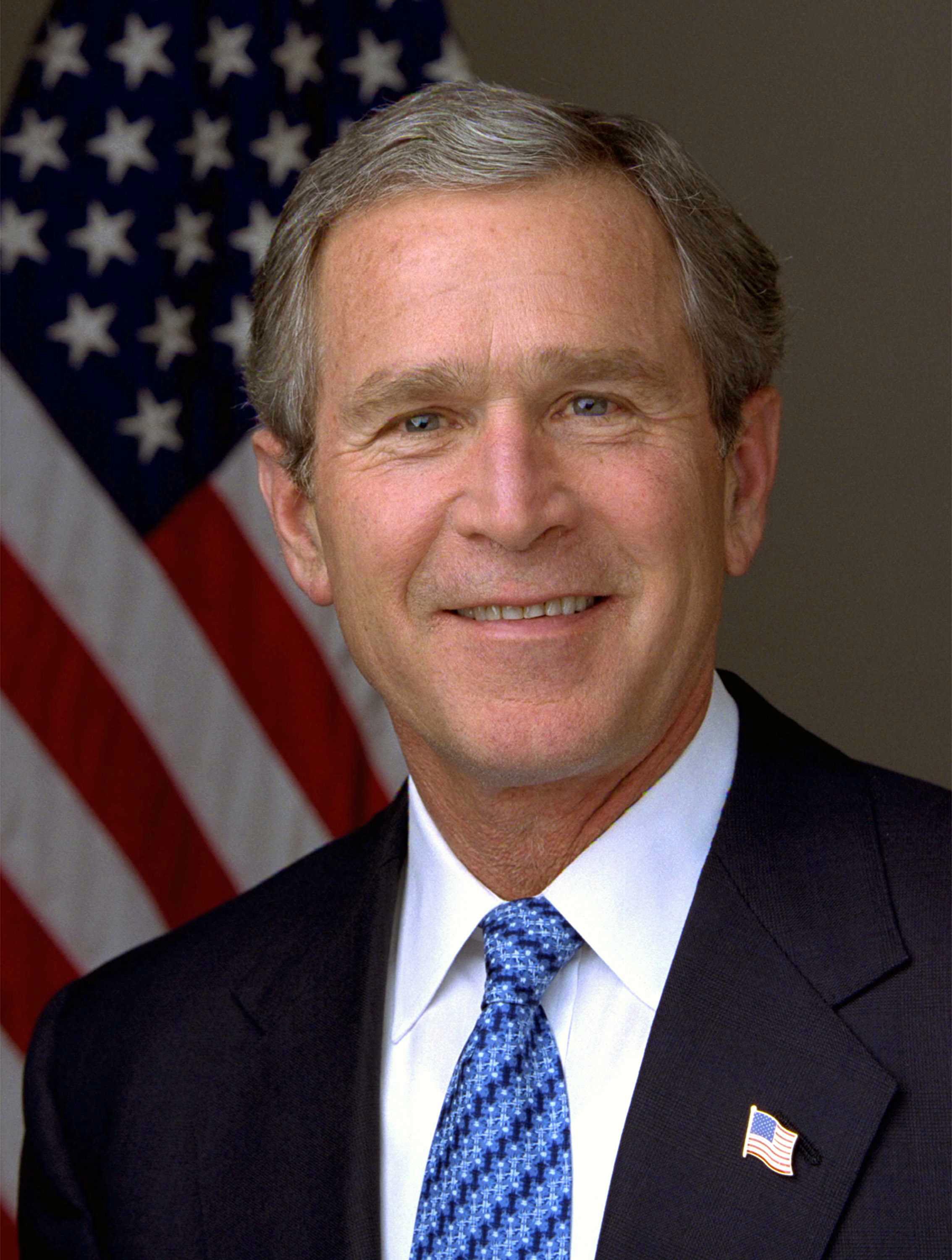
- President George W. Bush
- IssuedJuly 30, 2008
- PublishedAugust 4, 2008
Summary
Executive Order: Further Amendments to Executive Order 12333, United States Intelligence Activities
Document Text
Executive Order 13470 of July 30, 2008

Further Amendments to Executive Order 12333,
United States Intelligence Activities

By the authority vested in me as President by the
Constitution and the laws of the United States of
America, including the Intelligence Reform and
Terrorism Prevention Act of 2004 (Public Law 108-458),
and in order to update and clarify Executive Order
13355 of August 27, 2004, Executive Order 12333 of
December 4, 1981, as amended, is hereby further amended
as follows:

Section 1. The Preamble to Executive Order 12333, as
amended, is further amended by:

(a) Striking ``and'' and inserting in lieu thereof a
comma before the word ``accurate'', and inserting ``,
and insightful'' after the word ``accurate'' in the
first sentence;

(b) Striking ``statutes'' and inserting in lieu thereof
``the laws'' before ``of the United States of America''
in the third sentence; and

(c) Striking ``the'' before ``United States
intelligence activities'' in the third sentence.

Sec. 2. Executive Order 12333, as amended, is further
amended by striking Part 1 in its entirety and
inserting in lieu thereof the following new part:

PART 1 Goals, Directions, Duties, and Responsibilities
with Respect to United States Intelligence Efforts

1.1 Goals. The United States intelligence effort shall
provide the President, the National Security Council,
and the Homeland Security Council with the necessary
information on which to base decisions concerning the
development and conduct of foreign, defense, and
economic policies, and the protection of United States
national interests from foreign security threats. All
departments and agencies shall cooperate fully to
fulfill this goal.

(a) All means, consistent with applicable Federal law
and this order, and with full consideration of the
rights of United States persons, shall be used to
obtain reliable intelligence information to protect the
United States and its interests.

(b) The United States Government has a solemn
obligation, and shall continue in the conduct of
intelligence activities under this order, to protect
fully the legal rights of all United States persons,
including freedoms, civil liberties, and privacy rights
guaranteed by Federal law.

(c) Intelligence collection under this order should be
guided by the need for information to respond to
intelligence priorities set by the President.

(d) Special emphasis should be given to detecting and
countering:

(1) Espionage and other threats and activities directed by foreign powers
or their intelligence services against the United States and its interests;

(2) Threats to the United States and its interests from terrorism; and

(3) Threats to the United States and its interests from the development,
possession, proliferation, or use of weapons of mass destruction.

(e) Special emphasis shall be given to the production
of timely, accurate, and insightful reports, responsive
to decisionmakers in the executive branch, that draw on
all appropriate sources of information, including open
source

information, meet rigorous analytic standards, consider
diverse analytic viewpoints, and accurately represent
appropriate alternative views.

(f) State, local, and tribal governments are critical
partners in securing and defending the United States
from terrorism and other threats to the United States
and its interests. Our national intelligence effort
should take into account the responsibilities and
requirements of State, local, and tribal governments
and, as appropriate, private sector entities, when
undertaking the collection and dissemination of
information and intelligence to protect the United
States.

(g) All departments and agencies have a responsibility
to prepare and to provide intelligence in a manner that
allows the full and free exchange of information,
consistent with applicable law and presidential
guidance.

1.2 The National Security Council.

(a) Purpose. The National Security Council (NSC) shall
act as the highest ranking executive branch entity that
provides support to the President for review of,
guidance for, and direction to the conduct of all
foreign intelligence, counterintelligence, and covert
action, and attendant policies and programs.

(b) Covert Action and Other Sensitive Intelligence
Operations. The NSC shall consider and submit to the
President a policy recommendation, including all
dissents, on each proposed covert action and conduct a
periodic review of ongoing covert action activities,
including an evaluation of the effectiveness and
consistency with current national policy of such
activities and consistency with applicable legal
requirements. The NSC shall perform such other
functions related to covert action as the President may
direct, but shall not undertake the conduct of covert
actions. The NSC shall also review proposals for other
sensitive intelligence operations.

1.3 Director of National Intelligence. Subject to the
authority, direction, and control of the President, the
Director of National Intelligence (Director) shall
serve as the head of the Intelligence Community, act as
the principal adviser to the President, to the NSC, and
to the Homeland Security Council for intelligence
matters related to national security, and shall oversee
and direct the implementation of the National
Intelligence Program and execution of the National
Intelligence Program budget. The Director will lead a
unified, coordinated, and effective intelligence
effort. In addition, the Director shall, in carrying
out the duties and responsibilities under this section,
take into account the views of the heads of departments
containing an element of the Intelligence Community and
of the Director of the Central Intelligence Agency.

(a) Except as otherwise directed by the President or
prohibited by law, the Director shall have access to
all information and intelligence described in section
1.5(a) of this order. For the purpose of access to and
sharing of information and intelligence, the Director:

(1) Is hereby assigned the function under section 3(5) of the Act, to
determine that intelligence, regardless of the source from which derived
and including information gathered within or outside the United States,
pertains to more than one United States Government agency; and

(2) Shall develop guidelines for how information or intelligence is
provided to or accessed by the Intelligence Community in accordance with
section 1.5(a) of this order, and for how the information or intelligence
may be used and shared by the Intelligence Community. All guidelines
developed in accordance with this section shall be approved by the Attorney
General and, where applicable, shall be consistent with guidelines issued
pursuant to section 1016 of the Intelligence Reform and Terrorism
Protection Act of 2004 (Public Law 108-458) (IRTPA).

(b) In addition to fulfilling the obligations and
responsibilities prescribed by the Act, the Director:

(1) Shall establish objectives, priorities, and guidance for the
Intelligence Community to ensure timely and effective collection,
processing, analysis,

and dissemination of intelligence, of whatever nature and from whatever
source derived;

(2) May designate, in consultation with affected heads of departments or
Intelligence Community elements, one or more Intelligence Community
elements to develop and to maintain services of common concern on behalf of
the Intelligence Community if the Director determines such services can be
more efficiently or effectively accomplished in a consolidated manner;

(3) Shall oversee and provide advice to the President and the NSC with
respect to all ongoing and proposed covert action programs;

(4) In regard to the establishment and conduct of intelligence arrangements
and agreements with foreign governments and international organizations:

(A) May enter into intelligence and counterintelligence arrangements and
agreements with foreign governments and international organizations;

(B) Shall formulate policies concerning intelligence and
counterintelligence arrangements and agreements with foreign governments
and international organizations; and

(C) Shall align and synchronize intelligence and counterintelligence
foreign relationships among the elements of the Intelligence Community to
further United States national security, policy, and intelligence
objectives;

(5) Shall participate in the development of procedures approved by the
Attorney General governing criminal drug intelligence activities abroad to
ensure that these activities are consistent with foreign intelligence
programs;

(6) Shall establish common security and access standards for managing and
handling intelligence systems, information, and products, with special
emphasis on facilitating:

(A) The fullest and most prompt access to and dissemination of information
and intelligence practicable, assigning the highest priority to detecting,
preventing, preempting, and disrupting terrorist threats and activities
against the United States, its interests, and allies; and

(B) The establishment of standards for an interoperable information sharing
enterprise that facilitates the sharing of intelligence information among
elements of the Intelligence Community;

(7) Shall ensure that appropriate departments and agencies have access to
intelligence and receive the support needed to perform independent
analysis;

(8) Shall protect, and ensure that programs are developed to protect,
intelligence sources, methods, and activities from unauthorized disclosure;

(9) Shall, after consultation with the heads of affected departments and
agencies, establish guidelines for Intelligence Community elements for:

(A) Classification and declassification of all intelligence and
intelligence-related information classified under the authority of the
Director or the authority of the head of a department or Intelligence
Community element; and

(B) Access to and dissemination of all intelligence and intelligence-
related information, both in its final form and in the form when initially
gathered, to include intelligence originally classified by the head of a
department or Intelligence Community element, except that access to and
dissemination of information concerning United States persons shall be
governed by procedures developed in accordance with Part 2 of this order;

(10) May, only with respect to Intelligence Community elements, and after
consultation with thehead of the originating Intelligence Community element
or the head of the originating department, declassify, or direct the
declassification of, information or intelligence relating to intelligence

sources, methods, and activities. The Director may only delegate this
authority to the Principal Deputy Director of National Intelligence;

(11) May establish, operate, and direct one or more national intelligence
centers to address intelligence priorities;

(12) May establish Functional Managers and Mission Managers, and designate
officers or employees of the United States to serve in these positions.

(A) Functional Managers shall report to the Director concerning the
execution of their duties as Functional Managers, and may be charged with
developing and implementing strategic guidance, policies, and procedures
for activities related to a specific intelligence discipline or set of
intelligence activities; set training and tradecraft standards; and ensure
coordination within and across intelligence disciplines and Intelligence
Community elements and with related non-intelligence activities. Functional
Managers may also advise the Director on: the management of resources;
policies and procedures; collection capabilities and gaps; processing and
dissemination of intelligence; technical architectures; and other issues or
activities determined by the Director.

(i) The Director of the National Security Agency is designated the
Functional Manager for signals intelligence;

(ii) The Director of the Central Intelligence Agency is designated the
Functional Manager for human intelligence; and

(iii) The Director of the National Geospatial-Intelligence Agency is
designated the Functional Manager for geospatial intelligence.

(B) Mission Managers shall serve as principal substantive advisors on all
or specified aspects of intelligence related to designated countries,
regions, topics, or functional issues;

(13) Shall establish uniform criteria for the determination of relative
priorities for the transmission of critical foreign intelligence, and
advise the Secretary of Defense concerning the communications requirements
of the Intelligence Community for the transmission of such communications;

(14) Shall have ultimate responsibility for production and dissemination of
intelligence produced by the Intelligence Community and authority to levy
analytic tasks on intelligence production organizations within the
Intelligence Community, in consultation with the heads of the Intelligence
Community elements concerned;

(15) May establish advisory groups for the purpose of obtaining advice from
within the Intelligence Community to carry out the Director's
responsibilities, to include Intelligence Community executive management
committees composed of senior Intelligence Community leaders. Advisory
groups shall consist of representatives from elements of the Intelligence
Community, as designated by the Director, or other executive branch
departments, agencies, and offices, as appropriate;

(16) Shall ensure the timely exploitation and dissemination of data
gathered by national intelligence collection means, and ensure that the
resulting intelligence is disseminated immediately to appropriate
government elements, including military commands;

(17) Shall determine requirements and priorities for, and manage and direct
the tasking, collection, analysis, production, and dissemination of,
national intelligence by elements of the Intelligence Community, including
approving requirements for collection and analysis and resolving conflicts
in collection requirements and in the tasking of national collection assets
of Intelligence Community elements (except when otherwise directed by the
President or when the Secretary of Defense exercises collection tasking
authority under plans and arrangements approved by the Secretary of Defense
and the Director);

(18) May provide advisory tasking concerning collection and analysis of
information or intelligence relevant to national intelligence or national
security to departments, agencies, and establishments of the United States

Government that are not elements of the Intelligence Community; and shall
establish procedures, in consultation with affected heads of departments or
agencies and subject to approval by the Attorney General, to implement this
authority and to monitor or evaluate the responsiveness of United States
Government departments, agencies, and other establishments;

(19) Shall fulfill the responsibilities in section 1.3(b)(17) and (18) of
this order, consistent with applicable law and with full consideration of
the rights of United States persons, whether information is to be collected
inside or outside the United States;

(20) Shall ensure, through appropriate policies and procedures, the
deconfliction, coordination, and integration of all intelligence activities
conducted by an Intelligence Community element or funded by the National
Intelligence Program. In accordance with these policies and procedures:

(A) The Director of the Federal Bureau of Investigation shall coordinate
the clandestine collection of foreign intelligence collected through human
sources or through human-enabled means and counterintelligence activities
inside the United States;

(B) The Director of the Central Intelligence Agency shall coordinate the
clandestine collection of foreign intelligence collected through human
sources or through human-enabled means and counterintelligence activities
outside the United States;

(C) All policies and procedures for the coordination of counterintelligence
activities and the clandestine collection of foreign intelligence inside
the United States shall be subject to the approval of the Attorney General;
and

(D) All policies and procedures developed under this section shall be
coordinated with the heads of affected departments and Intelligence
Community elements;

(21) Shall, with the concurrence of the heads of affected departments and
agencies, establish joint procedures to deconflict, coordinate, and
synchronize intelligence activities conducted by an Intelligence Community
element or funded by the National Intelligence Program, with intelligence
activities, activities that involve foreign intelligence and security
services, or activities that involve the use of clandestine methods,
conducted by other United States Government departments, agencies, and
establishments;

(22) Shall, in coordination with the heads of departments containing
elements of the Intelligence Community, develop procedures to govern major
system acquisitions funded in whole or in majority part by the National
Intelligence Program;

(23) Shall seek advice from the Secretary of State to ensure that the
foreign policy implications of proposed intelligence activities are
considered, and shall ensure, through appropriate policies and procedures,
that intelligence activities are conducted in a manner consistent with the
responsibilities pursuant to law and presidential direction of Chiefs of
United States Missions; and

(24) Shall facilitate the use of Intelligence Community products by the
Congress in a secure manner.

(c) The Director's exercise of authorities in the Act
and this order shall not abrogate the statutory or
other responsibilities of the heads of departments of
the United States Government or the Director of the
Central Intelligence Agency. Directives issued and
actions taken by the Director in the exercise of the
Director's authorities and responsibilities to
integrate, coordinate, and make the Intelligence
Community more effective in providing intelligence
related to national security shall be implemented by
the elements of the Intelligence Community, provided
that any department head whose department contains an
element of the Intelligence Community and who believes
that a directive or action of the Director violates the
requirements of section 1018 of the IRTPA or this
subsection shall bring the issue to the attention

of the Director, the NSC, or the President for
resolution in a manner that respects and does not
abrogate the statutory responsibilities of the heads of
the departments.

(d) Appointments to certain positions.

(1) The relevant department or bureau head shall provide recommendations
and obtain the concurrence of the Director for the selection of: the
Director of the National Security Agency, the Director of the National
Reconnaissance Office, the Director of the National Geospatial-Intelligence
Agency, the Under Secretary of Homeland Security for Intelligence and
Analysis, the Assistant Secretary of State for Intelligence and Research,
the Director of the Office of Intelligence and Counterintelligence of the
Department of Energy, the Assistant Secretary for Intelligence and Analysis
of the Department of the Treasury, and the Executive Assistant Director for
the National Security Branch of the Federal Bureau of Investigation. If the
Director does not concur in the recommendation, the department head may not
fill the vacancy or make the recommendation to the President, as the case
may be. If the department head and the Director do not reach an agreement
on the selection or recommendation, the Director and the department head
concerned may advise the President directly of the Director's intention to
withhold concurrence.

(2) The relevant department head shall consult with the Director before
appointing an individual to fill a vacancy or recommending to the President
an individual be nominated to fill a vacancy in any of the following
positions: the Under Secretary of Defense for Intelligence; the Director of
the Defense Intelligence Agency; uniformed heads of the intelligence
elements of the Army, the Navy, the Air Force, and the Marine Corps above
the rank of Major General or Rear Admiral; the Assistant Commandant of the
Coast Guard for Intelligence; and the Assistant Attorney General for
National Security.

(e) Removal from certain positions.

(1) Except for the Director of the Central Intelligence Agency, whose
removal the Director may recommend to the President, the Director and the
relevant department head shall consult on the removal, or recommendation to
the President for removal, as the case may be, of: the Director of the
National Security Agency, the Director of the National Geospatial-
Intelligence Agency, the Director of the Defense Intelligence Agency, the
Under Secretary of Homeland Security for Intelligence and Analysis, the
Assistant Secretary of State for Intelligence and Research, and the
Assistant Secretary for Intelligence and Analysis of the Department of the
Treasury. If the Director and the department head do not agree on removal,
or recommendation for removal, either may make a recommendation to the
President for the removal of the individual.

(2) The Director and the relevant department or bureau head shall consult
on the removal of: the Executive Assistant Director for the National
Security Branch of the Federal Bureau of Investigation, the Director of the
Office of Intelligence and Counterintelligence of the Department of Energy,
the Director of the National Reconnaissance Office, the Assistant
Commandant of the Coast Guard for Intelligence, and the Under Secretary of
Defense for Intelligence. With respect to an individual appointed by a
department head, the department head may remove the individual upon the
request of the Director; if the department head chooses not to remove the
individual, either the Director or the department head may advise the
President of the department head's intention to retain the individual. In
the case of the Under Secretary of Defense for Intelligence, the Secretary
of Defense may recommend to the President either the removal or the
retention of the individual. For uniformed heads of the intelligence
elements of the Army, the Navy, the Air Force, and the Marine Corps, the
Director may make a recommendation for removal to the Secretary of Defense.

(3) Nothing in this subsection shall be construed to limit or otherwise
affect the authority of the President to nominate, appoint, assign, or
terminate the appointment or assignment of any individual, with or without
a consultation, recommendation, or concurrence.

1.4 The Intelligence Community. Consistent with
applicable Federal law and with the other provisions of
this order, and under the leadership of the Director,
as specified in such law and this order, the
Intelligence Community shall:

(a) Collect and provide information needed by the
President and, in the performance of executive
functions, the Vice President, the NSC, the Homeland
Security Council, the Chairman of the Joint Chiefs of
Staff, senior military commanders, and other executive
branch officials and, as appropriate, the Congress of
the United States;

(b) In accordance with priorities set by the President,
collect information concerning, and conduct activities
to protect against, international terrorism,
proliferation of weapons of mass destruction,
intelligence activities directed against the United
States, international criminal drug activities, and
other hostile activities directed against the United
States by foreign powers, organizations, persons, and
their agents;

(c) Analyze, produce, and disseminate intelligence;

(d) Conduct administrative, technical, and other
support activities within the United States and abroad
necessary for the performance of authorized activities,
to include providing services of common concern for the
Intelligence Community as designated by the Director in
accordance with this order;

(e) Conduct research, development, and procurement of
technical systems and devices relating to authorized
functions and missions or the provision of services of
common concern for the Intelligence Community;

(f) Protect the security of intelligence related
activities, information, installations, property, and
employees by appropriate means, including such
investigations of applicants, employees, contractors,
and other persons with similar associations with the
Intelligence Community elements as are necessary;

(g) Take into account State, local, and tribal
governments' and, as appropriate, private sector
entities' information needs relating to national and
homeland security;

(h) Deconflict, coordinate, and integrate all
intelligence activities and other information gathering
in accordance with section 1.3(b)(20) of this order;
and

(i) Perform such other functions and duties related to intelligence
activities as the President may direct.

1.5 Duties and Responsibilities of the Heads of
Executive Branch Departments and Agencies. The heads of
all departments and agencies shall:

(a) Provide the Director access to all information and
intelligence relevant to the national security or that
otherwise is required for the performance of the
Director's duties, to include administrative and other
appropriate management information, except such
information excluded by law, by the President, or by
the Attorney General acting under this order at the
direction of the President;

(b) Provide all programmatic and budgetary information
necessary to support the Director in developing the
National Intelligence Program;

(c) Coordinate development and implementation of
intelligence systems and architectures and, as
appropriate, operational systems and architectures of
their departments, agencies, and other elements with
the Director to respond to national intelligence
requirements and all applicable information sharing and
security guidelines, information privacy, and other
legal requirements;

(d) Provide, to the maximum extent permitted by law,
subject to the availability of appropriations and not
inconsistent with the mission of the department or
agency, such further support to the Director as the
Director may request, after consultation with the head
of the department or agency, for the performance of the
Director's functions;

(e) Respond to advisory tasking from the Director under
section 1.3(b)(18) of this order to the greatest extent
possible, in accordance with applicable policies
established by the head of the responding department or
agency;

(f) Ensure that all elements within the department or
agency comply with the provisions of Part 2 of this
order, regardless of Intelligence Community
affiliation, when performing foreign intelligence and
counterintelligence functions;

(g) Deconflict, coordinate, and integrate all
intelligence activities in accordance with section
1.3(b)(20), and intelligence and other activities in
accordance with section 1.3(b)(21) of this order;

(h) Inform the Attorney General, either directly or
through the Federal Bureau of Investigation, and the
Director of clandestine collection of foreign
intelligence and counterintelligence activities inside
the United States not coordinated with the Federal
Bureau of Investigation;

(i) Pursuant to arrangements developed by the head of
the department or agency and the Director of the
Central Intelligence Agency and approved by the
Director, inform the Director and the Director of the
Central Intelligence Agency, either directly or through
his designee serving outside the United States, as
appropriate, of clandestine collection of foreign
intelligence collected through human sources or through
human-enabled means outside the United States that has
not been coordinated with the Central Intelligence
Agency; and

(j) Inform the Secretary of Defense, either directly or
through his designee, as appropriate, of clandestine
collection of foreign intelligence outside the United
States in a region of combat or contingency military
operations designated by the Secretary of Defense, for
purposes of this paragraph, after consultation with the
Director of National Intelligence.

1.6 Heads of Elements of the Intelligence Community.
The heads of elements of the Intelligence Community
shall:

(a) Provide the Director access to all information and
intelligence relevant to the national security or that
otherwise is required for the performance of the
Director's duties, to include administrative and other
appropriate management information, except such
information excluded by law, by the President, or by
the Attorney General acting under this order at the
direction of the President;

(b) Report to the Attorney General possible violations
of Federal criminal laws by employees and of specified
Federal criminal laws by any other person as provided
in procedures agreed upon by the Attorney General and
the head of the department, agency, or establishment
concerned, in a manner consistent with the protection
of intelligence sources and methods, as specified in
those procedures;

(c) Report to the Intelligence Oversight Board,
consistent with Executive Order 13462 of February 29,
2008, and provide copies of all such reports to the
Director, concerning any intelligence activities of
their elements that they have reason to believe may be
unlawful or contrary to executive order or presidential
directive;

(d) Protect intelligence and intelligence sources,
methods, and activities from unauthorized disclosure in
accordance with guidance from the Director;

(e) Facilitate, as appropriate, the sharing of
information or intelligence, as directed by law or the
President, to State, local, tribal, and private sector
entities;

(f) Disseminate information or intelligence to foreign
governments and international organizations under
intelligence or counterintelligence arrangements or
agreements established in accordance with section
1.3(b)(4) of this order;

(g) Participate in the development of procedures
approved by the Attorney General governing production
and dissemination of information or intelligence
resulting from criminal drug intelligence activities
abroad if they have intelligence responsibilities for
foreign or domestic criminal drug production and
trafficking; and

(h) Ensure that the inspectors general, general
counsels, and agency officials responsible for privacy
or civil liberties protection for their respective
organizations have access to any information or
intelligence necessary to perform their official
duties.

1.7 Intelligence Community Elements. Each element of
the Intelligence Community shall have the duties and
responsibilities specified below, in addition to those
specified by law or elsewhere in this order.
Intelligence Community elements within executive
departments shall serve the information and
intelligence needs of their respective heads of
departments and also shall operate as part of an
integrated Intelligence Community, as provided in law
or this order.

(a) THE CENTRAL INTELLIGENCE AGENCY. The Director of
the Central Intelligence Agency shall:

(1) Collect (including through clandestine means), analyze, produce, and
disseminate foreign intelligence and counterintelligence;

(2) Conduct counterintelligence activities without assuming or performing
any internal security functions within the United States;

(3) Conduct administrative and technical support activities within and
outside the United States as necessary for cover and proprietary
arrangements;

(4) Conduct covert action activities approved by the President. No agency
except the Central Intelligence Agency (or the Armed Forces of the United
States in time of war declared by the Congress or during any period covered
by a report from the President to the Congress consistent with the War
Powers Resolution, Public Law 93-148) may conduct any covert action
activity unless the President determines that another agency is more likely
to achieve a particular objective;

(5) Conduct foreign intelligence liaison relationships with intelligence or
security services of foreign governments or international organizations
consistent with section 1.3(b)(4) of this order;

(6) Under the direction and guidance of the Director, and in accordance
with section 1.3(b)(4) of this order, coordinate the implementation of
intelligence and counterintelligence relationships between elements of the
Intelligence Community and the intelligence or security services of foreign
governments or international organizations; and

(7) Perform such other functions and duties related to intelligence as the
Director may direct.

(b) THE DEFENSE INTELLIGENCE AGENCY. The Director of
the Defense Intelligence Agency shall:

(1) Collect (including through clandestine means), analyze, produce, and
disseminate foreign intelligence and counterintelligence to support
national and departmental missions;

(2) Collect, analyze, produce, or, through tasking and coordination,
provide defense and defense-related intelligence for the Secretary of
Defense, the Chairman of the Joint Chiefs of Staff, combatant commanders,
other Defense components, and non-Defense agencies;

(3) Conduct counterintelligence activities;

(4) Conduct administrative and technical support activities within and
outside the United States as necessary for cover and proprietary
arrangements;

(5) Conduct foreign defense intelligence liaison relationships and defense
intelligence exchange programs with foreign defense establishments,
intelligence or security services of foreign governments, and international
organizations in accordance with sections 1.3(b)(4), 1.7(a)(6), and 1.10(i)
of this order;

(6) Manage and coordinate all matters related to the Defense Attach[eacute]
system; and

(7) Provide foreign intelligence and counterintelligence staff support as
directed by the Secretary of Defense.

(c) THE NATIONAL SECURITY AGENCY. The Director of the
National Security Agency shall:

(1) Collect (including through clandestine means), process, analyze,
produce, and disseminate signals intelligence information and data for
foreign intelligence and counterintelligence purposes to support national
and departmental missions;

(2) Establish and operate an effective unified organization for signals
intelligence activities, except for the delegation of operational control
over certain operations that are conducted through other elements of the
Intelligence Community. No other department or agency may engage in signals
intelligence activities except pursuant to a delegation by the Secretary of
Defense, after coordination with the Director;

(3) Control signals intelligence collection and processing activities,
including assignment of resources to an appropriate agent for such periods
and tasks as required for the direct support of military commanders;

(4) Conduct administrative and technical support activities within and
outside the United States as necessary for cover arrangements;

(5) Provide signals intelligence support for national and departmental
requirements and for the conduct of military operations;

(6) Act as the National Manager for National Security Systems as
established in law and policy, and in this capacity be responsible to the
Secretary of Defense and to the Director;

(7) Prescribe, consistent with section 102A(g) of the Act, within its field
of authorized operations, security regulations covering operating
practices, including the transmission, handling, and distribution of
signals intelligence and communications security material within and among
the elements under control of the Director of the National Security Agency,
and exercise the necessary supervisory control to ensure compliance with
the regulations; and

(8) Conduct foreign cryptologic liaison relationships in accordance with
sections 1.3(b)(4), 1.7(a)(6), and 1.10(i) of this order.

(d) THE NATIONAL RECONNAISSANCE OFFICE. The Director of
the National Reconnaissance Office shall:

(1) Be responsible for research and development, acquisition, launch,
deployment, and operation of overhead systems and related data processing
facilities to collect intelligence and information to support national and
departmental missions and other United States Government needs; and

(2) Conduct foreign liaison relationships relating to the above missions,
in accordance with sections 1.3(b)(4), 1.7(a)(6), and 1.10(i) of this
order.

(e) THE NATIONAL GEOSPATIAL-INTELLIGENCE AGENCY. The
Director of the National Geospatial-Intelligence Agency
shall:

(1) Collect, process, analyze, produce, and disseminate geospatial
intelligence information and data for foreign intelligence and
counterintelligence purposes to support national and departmental missions;

(2) Provide geospatial intelligence support for national and departmental
requirements and for the conduct of military operations;

(3) Conduct administrative and technical support activities within and
outside the United States as necessary for cover arrangements; and

(4) Conduct foreign geospatial intelligence liaison relationships, in
accordance with sections 1.3(b)(4), 1.7(a)(6), and 1.10(i) of this order.

(f) THE INTELLIGENCE AND COUNTERINTELLIGENCE ELEMENTS
OF THE ARMY, NAVY, AIR FORCE, AND MARINE CORPS. The
Commanders and heads of the intelligence and
counterintelligence elements of the Army, Navy, Air
Force, and Marine Corps shall:

(1) Collect (including through clandestine means), produce, analyze, and
disseminate defense and defense-related intelligence and
counterintelligence to support departmental requirements, and, as
appropriate, national requirements;

(2) Conduct counterintelligence activities;

(3) Monitor the development, procurement, and management of tactical
intelligence systems and equipment and conduct related research,
development, and test and evaluation activities; and

(4) Conduct military intelligence liaison relationships and military
intelligence exchange programs with selected cooperative foreign defense
establishments and international organizations in accordance with sections
1.3(b)(4), 1.7(a)(6), and 1.10(i) of this order.

(g) INTELLIGENCE ELEMENTS OF THE FEDERAL BUREAU OF
INVESTIGATION. Under the supervision of the Attorney
General and pursuant to such regulations as the
Attorney General may establish, the intelligence
elements of the Federal Bureau of Investigation shall:

(1) Collect (including through clandestine means), analyze, produce, and
disseminate foreign intelligence and counterintelligence to support
national and departmental missions, in accordance with procedural
guidelines approved by the Attorney General, after consultation with the
Director;

(2) Conduct counterintelligence activities; and

(3) Conduct foreign intelligence and counterintelligence liaison
relationships with intelligence, security, and law enforcement services of
foreign governments or international organizations in accordance with
sections 1.3(b)(4) and 1.7(a)(6) of this order.

(h) THE INTELLIGENCE AND COUNTERINTELLIGENCE ELEMENTS
OF THE COAST GUARD. The Commandant of the Coast Guard
shall:

(1) Collect (including through clandestine means), analyze, produce, and
disseminate foreign intelligence and counterintelligence including defense
and defense-related information and intelligence to support national and
departmental missions;

(2) Conduct counterintelligence activities;

(3) Monitor the development, procurement, and management of tactical
intelligence systems and equipment and conduct related research,
development, and test and evaluation activities; and

(4) Conduct foreign intelligence liaison relationships and intelligence
exchange programs with foreign intelligence services, security services or
international organizations in accordance with sections 1.3(b)(4),
1.7(a)(6), and, when operating as part of the Department of Defense,
1.10(i) of this order.

(i) THE BUREAU OF INTELLIGENCE AND RESEARCH, DEPARTMENT
OF STATE; THE OFFICE OF INTELLIGENCE AND ANALYSIS,
DEPARTMENT OF THE TREASURY; THE OFFICE OF NATIONAL
SECURITY INTELLIGENCE, DRUG ENFORCEMENT ADMINISTRATION;
THE OFFICE OF INTELLIGENCE AND ANALYSIS, DEPARTMENT OF
HOMELAND SECURITY; AND THE OFFICE OF INTELLIGENCE AND
COUNTERINTELLIGENCE, DEPARTMENT OF ENERGY. The heads of
the Bureau of Intelligence and

Research, Department of State; the Office of
Intelligence and Analysis, Department of the Treasury;
the Office of National Security Intelligence, Drug
Enforcement Administration; the Office of Intelligence
and Analysis, Department of Homeland Security; and the
Office of Intelligence and Counterintelligence,
Department of Energy shall:

(1) Collect (overtly or through publicly available sources), analyze,
produce, and disseminate information, intelligence, and counterintelligence
to support national and departmental missions; and

(2) Conduct and participate in analytic or information exchanges with
foreign partners and international organizations in accordance with
sections 1.3(b)(4) and 1.7(a)(6) of this order.

(j) THE OFFICE OF THE DIRECTOR OF NATIONAL
INTELLIGENCE. The Director shall collect (overtly or
through publicly available sources), analyze, produce,
and disseminate information, intelligence, and
counterintelligence to support the missions of the
Office of the Director of National Intelligence,
including the National Counterterrorism Center, and to
support other national missions.

1.8 The Department of State. In addition to the
authorities exercised by the Bureau of Intelligence and
Research under sections 1.4 and 1.7(i) of this order,
the Secretary of State shall:

(a) Collect (overtly or through publicly available
sources) information relevant to United States foreign
policy and national security concerns;

(b) Disseminate, to the maximum extent possible,
reports received from United States diplomatic and
consular posts;

(c) Transmit reporting requirements and advisory
taskings of the Intelligence Community to the Chiefs of
United States Missions abroad; and

(d) Support Chiefs of United States Missions in
discharging their responsibilities pursuant to law and
presidential direction.

1.9 The Department of the Treasury. In addition to the
authorities exercised by the Office of Intelligence and
Analysis of the Department of the Treasury under
sections 1.4 and 1.7(i) of this order the Secretary of
the Treasury shall collect (overtly or through publicly
available sources) foreign financial information and,
in consultation with the Department of State, foreign
economic information.

1.10 The Department of Defense. The Secretary of
Defense shall:

(a) Collect (including through clandestine means),
analyze, produce, and disseminate information and
intelligence and be responsive to collection tasking
and advisory tasking by the Director;

(b) Collect (including through clandestine means),
analyze, produce, and disseminate defense and defense-
related intelligence and counterintelligence, as
required for execution of the Secretary's
responsibilities;

(c) Conduct programs and missions necessary to fulfill
national, departmental, and tactical intelligence
requirements;

(d) Conduct counterintelligence activities in support
of Department of Defense components and coordinate
counterintelligence activities in accordance with
section 1.3(b)(20) and (21) of this order;

(e) Act, in coordination with the Director, as the
executive agent of the United States Government for
signals intelligence activities;

(f) Provide for the timely transmission of critical
intelligence, as defined by the Director, within the
United States Government;

(g) Carry out or contract for research, development,
and procurement of technical systems and devices
relating to authorized intelligence functions;

(h) Protect the security of Department of Defense
installations, activities, information, property, and
employees by appropriate means, including such
investigations of applicants, employees, contractors,
and other persons with similar associations with the
Department of Defense as are necessary;

(i) Establish and maintain defense intelligence
relationships and defense intelligence exchange
programs with selected cooperative foreign defense
establishments, intelligence or security services of
foreign governments, and international organizations,
and ensure that such relationships and programs are in
accordance with sections 1.3(b)(4), 1.3(b)(21) and
1.7(a)(6) of this order;

(j) Conduct such administrative and technical support
activities within and outside the United States as are
necessary to provide for cover and proprietary
arrangements, to perform the functions described in
sections (a) though (i) above, and to support the
Intelligence Community elements of the Department of
Defense; and

(k) Use the Intelligence Community elements within the
Department of Defense identified in section 1.7(b)
through (f) and, when the Coast Guard is operating as
part of the Department of Defense, (h) above to carry
out the Secretary of Defense's responsibilities
assigned in this section or other departments,
agencies, or offices within the Department of Defense,
as appropriate, to conduct the intelligence missions
and responsibilities assigned to the Secretary of
Defense.

1.11 The Department of Homeland Security. In addition
to the authorities exercised by the Office of
Intelligence and Analysis of the Department of Homeland
Security under sections 1.4 and 1.7(i) of this order,
the Secretary of Homeland Security shall conduct,
through the United States Secret Service, activities to
determine the existence and capability of surveillance
equipment being used against the President or the Vice
President of the United States, the Executive Office of
the President, and, as authorized by the Secretary of
Homeland Security or the President, other Secret
Service protectees and United States officials. No
information shall be acquired intentionally through
such activities except to protect against use of such
surveillance equipment, and those activities shall be
conducted pursuant to procedures agreed upon by the
Secretary of Homeland Security and the Attorney
General.

1.12 The Department of Energy. In addition to the
authorities exercised by the Office of Intelligence and
Counterintelligence of the Department of Energy under
sections 1.4 and 1.7(i) of this order, the Secretary of
Energy shall:

(a) Provide expert scientific, technical, analytic, and
research capabilities to other agencies within the
Intelligence Community, as appropriate;

(b) Participate in formulating intelligence collection
and analysis requirements where the special expert
capability of the Department can contribute; and

(c) Participate with the Department of State in overtly
collecting information with respect to foreign energy
matters.

1.13 The Federal Bureau of Investigation. In addition
to the authorities exercised by the intelligence
elements of the Federal Bureau of Investigation of the
Department of Justice under sections 1.4 and 1.7(g) of
this order and under the supervision of the Attorney
General and pursuant to such regulations as the
Attorney General may establish, the Director of the
Federal Bureau of Investigation shall provide technical
assistance, within or outside the United States, to
foreign intelligence and law enforcement services,
consistent with section 1.3(b)(20) and (21) of this
order, as may be necessary to support national or
departmental missions.

Sec. 3. Part 2 of Executive Order 12333, as amended, is
further amended by:

(a) In section 2.1, striking the first sentence and
inserting in lieu thereof: ``Timely, accurate, and
insightful information about the activities,
capabilities, plans, and intentions of foreign powers,
organizations, and persons, and their agents, is
essential to informed decisionmaking in the areas of
national security, national defense, and foreign
relations.``;

(b) In section 2.1, inserting a comma after
``innovative'';

(c) In section 2.2, inserting ``, the spread of weapons
of mass destruction,`` after ``international terrorist
activities'' in the first sentence;

(d) In the first sentence of section 2.3, striking
``Agencies within the'' and inserting in lieu thereof
``Elements of the'', inserting a comma after
``retain'', striking ``agency'' and inserting in lieu
thereof ``Intelligence Community element'', and
inserting ``or by the head of a department containing
such element'' after ``concerned'';

(e) In section 2.3, inserting ``, after consultation
with the Director'' preceding the period at the end of
the first sentence;

(f) In section 2.3, inserting a comma after
``retention'' in the second sentence;

(g) In section 2.3(b), striking ``FBI'' and inserting
in lieu thereof ``Federal Bureau of Investigation
(FBI)'';

(h) In section 2.3(b), striking ``agencies'' and
inserting in lieu thereof ``elements'' each time it
appears;

(i) In section 2.3(c), striking ``narcotics'' and
inserting in lieu thereof ``drug,'';

(j) In section 2.3(d), inserting a comma after
``victims'';

(k) In section 2.3(e), striking ``sources or methods''
and inserting in lieu thereof ``sources, methods, and
activities'';

(l) In section 2.3(e), striking ``agencies'' and
inserting in lieu thereof ``elements'' and striking
``agency'' and inserting in lieu thereof ``element'';

(m) In section 2.3(g), inserting a comma after
``physical'';

(n) In section 2.3(h), striking ``and'';

(o) In section 2.3(i), striking ``federal'' and
inserting in lieu thereof ``Federal'' and inserting a
comma after ``local'';

(p) In the last sentence of section 2.3, striking
``agencies within'' and inserting in lieu thereof
``elements of'', striking ``, other than information
derived from signals intelligence,'', striking
``agency'' and inserting in lieu thereof ``element'' in
both instances and inserting immediately before the
period: ``, except that information derived from
signals intelligence may only be disseminated or made
available to Intelligence Community elements in
accordance with procedures established by the Director
in coordination with the Secretary of Defense and
approved by the Attorney General'';

(q) In the first three sentences of section 2.4,
striking ``Agencies within'' and inserting in lieu
thereof ``Elements of''; striking ``Agencies'' and
inserting in lieu thereof ''Elements of the
Intelligence Community''; and striking ``agency'' and
inserting in lieu thereof ``Intelligence Community
element concerned or the head of a department
containing such element'';

(r) In the second sentence of section 2.4, inserting
``, after consultation with the Director`` after
``Attorney General'';

(s) In section 2.4(a), striking ``CIA'' and inserting
in lieu thereof ``Central Intelligence Agency (CIA)'';

(t) In section 2.4(b) and (c), striking ``agencies''
and inserting in lieu thereof ``elements of the
Intelligence Community''.

(u) In section 2.4(b)(2), striking the period and
inserting in lieu thereof a semicolon;

(v) In section 2.4(c)(1), striking ``agency'' and
inserting in lieu thereof ``element'';

(w) In section 2.4(c)(2), striking the period and
inserting in lieu thereof ``; and'';

(x) In section 2.4(d) striking ``than'' and inserting
in lieu thereof ``that'';

(y) In section 2.5, striking the final sentence and
inserting in lieu thereof ``The authority delegated
pursuant to this paragraph, including the authority

to approve the use of electronic surveillance as
defined in the Foreign Intelligence Surveillance Act of
1978, as amended, shall be exercised in accordance with
that Act.'';

(z) In section 2.6, inserting ``and other Civil''
before ``Authorities'' in the caption and striking
``Agencies within'' and inserting in lieu thereof
``Elements of'';

(aa) In section 2.6(a), inserting a comma after
``property'' and striking ``agency'' and inserting in
lieu thereof ``element'';

(bb) In section 2.6(c), striking ``General Counsel''
and inserting in lieu thereof ``general counsel'', and
striking ``agency'' and inserting in lieu thereof
``element or department'' in the second sentence;

(cc) In section 2.6(d), inserting ``or other civil''
before ``authorities'';

(dd) In section 2.7, striking ``Agencies within'' and
inserting in lieu thereof ``Elements of'';

(ee) In section 2.9, striking ``agencies within'' and
inserting in lieu thereof ``elements of'', and striking
``agency within'' and inserting in lieu thereof
``element of'' the first time it appears and
``Intelligence Community element'' the second and third
times it appears;

(ff) In section 2.9, striking ``his'' and inserting in
lieu thereof ``such person's'';

(gg) In section 2.9, inserting ``or the head of a
department containing such element'' before ``and
approved by the Attorney General``, and inserting '',
after consultation with the Director'' after ``the
Attorney General'';

(hh) In section 2.10, striking ``agency within'' and
inserting in lieu thereof ``element of'', and inserting
a comma after ``contract for'';

(ii) In section 2.12, striking ``agency'' and inserting
in lieu thereof ``element''; and

(jj) At the end of Part 2, inserting a new section 2.13
as follows: ``2.13 Limitation on Covert Action. No
covert action may be conducted which is intended to
influence United States political processes, public
opinion, policies, or media.''.

Sec. 4. Part 3 of Executive Order 12333, as amended, is
further amended by:

(a) In section 3.1, striking ``of Central
Intelligence''; inserting ``elements,'' after
``agencies,''; and striking ``special'' and inserting
in lieu thereof ``covert action'';

(b) Striking section 3.2 and inserting in lieu thereof:
``3.2 Implementation. The President, supported by the
NSC, and the Director shall issue such appropriate
directives, procedures, and guidance as are necessary
to implement this order. Heads of elements within the
Intelligence Community shall issue appropriate
procedures and supplementary directives consistent with
this order. No procedures to implement Part 2 of this
order shall be issued without the Attorney General's
approval, after consultation with the Director. The
Attorney General shall provide a statement of reasons
for not approving any procedures established by the
head of an element in the Intelligence Community (or
the head of the department containing such element)
other than the FBI. In instances where the element head
or department head and the Attorney General are unable
to reach agreements on other than constitutional or
other legal grounds, the Attorney General, the head of
department concerned, or the Director shall refer the
matter to the NSC.'';

(c) Striking section 3.3 and inserting in lieu thereof:
`` 3.3 Procedures. The activities herein authorized
that require procedures shall be conducted in
accordance with existing procedures or requirements
established under Executive Order 12333. New
procedures, as required by Executive Order 12333, as
further amended, shall be established as expeditiously
as possible. All new procedures promulgated pursuant to
Executive Order 12333, as amended, shall be made
available to the Select Committee on Intelligence

of the Senate and the Permanent Select Committee on
Intelligence of the House of Representatives.'';

(d) Inserting after section 3.3 the following new
section: `` 3.4 References and Transition. References
to ``Senior Officials of the Intelligence Community''
or ``SOICs'' in executive orders or other Presidential
guidance, shall be deemed references to the heads of
elements in the Intelligence Community, unless the
President otherwise directs; references in Intelligence
Community or Intelligence Community element policies or
guidance, shall be deemed to be references to the heads
of elements of the Intelligence Community, unless the
President or the Director otherwise directs.'';

(e) Striking ``3.4 Definitions'' and inserting in lieu
thereof ``3.5 Definitions'';

(f) Amending the definition of `` Counterintelligence''
in section 3.5(a), as renumbered, by inserting
``identify, deceive, exploit, disrupt, or'' before
``protect against espionage'', inserting ``or their
agents,'' after ``persons,'', inserting ``organizations
or activities'' after terrorist, and striking
``activities, but not including personnel, physical,
document or communications security programs'';

(g) Striking section 3.5(b)-(h), as renumbered, and
inserting in lieu thereof:

``(b) Covert action means an activity or activities of the United States
Government to influence political, economic, or military conditions abroad,
where it is intended that the role of the United States Government will not
be apparent or acknowledged publicly, but does not include:

(1) Activities the primary purpose of which is to acquire intelligence,
traditional counterintelligence activities, traditional activities to
improve or maintain the operational security of United States Government
programs, or administrative activities;

(2) Traditional diplomatic or military activities or routine support to
such activities;

(3) Traditional law enforcement activities conducted by United States
Government law enforcement agencies or routine support to such activities;
or

(4) Activities to provide routine support to the overt activities (other
than activities described in paragraph (1), (2), or (3)) of other United
States Government agencies abroad.

(c) Electronic surveillance means acquisition of a nonpublic communication
by electronic means without the consent of a person who is a party to an
electronic communication or, in the case of a nonelectronic communication,
without the consent of a person who is visibly present at the place of
communication, but not including the use of radio direction-finding
equipment solely to determine the location of a transmitter.

(d) Employee means a person employed by, assigned or detailed to, or acting
for an element within the Intelligence Community.

(e) Foreign intelligence means information relating to the capabilities,
intentions, or activities of foreign governments or elements thereof,
foreign organizations, foreign persons, or international terrorists.

(f) Intelligence includes foreign intelligence and counterintelligence.

(g) Intelligence activities means all activities that elements of the
Intelligence Community are authorized to conduct pursuant to this order.

(h) Intelligence Community and elements of the Intelligence Community
refers to:

(1) The Office of the Director of National Intelligence;

(2) The Central Intelligence Agency;

(3) The National Security Agency;

(4) The Defense Intelligence Agency;

(5) The National Geospatial-Intelligence Agency;

(6) The National Reconnaissance Office;

(7) The other offices within the Department of Defense for the collection
of specialized national foreign intelligence through reconnaissance
programs;

(8) The intelligence and counterintelligence elements of the Army, the
Navy, the Air Force, and the Marine Corps;

(9) The intelligence elements of the Federal Bureau of Investigation;

(10) The Office of National Security Intelligence of the Drug Enforcement
Administration;

(11) The Office of Intelligence and Counterintelligence of the Department
of Energy;

(12) The Bureau of Intelligence and Research of the Department of State;

(13) The Office of Intelligence and Analysis of the Department of the
Treasury;

(14) The Office of Intelligence and Analysis of the Department of Homeland
Security;

(15) The intelligence and counterintelligence elements of the Coast Guard;
and

(16) Such other elements of any department or agency as may be designated
by the President, or designated jointly by the Director and the head of the
department or agency concerned, as an element of the Intelligence
Community.

(i) National Intelligence and Intelligence Related to National Security
means all intelligence, regardless of the source from which derived and
including information gathered within or outside the United States, that
pertains, as determined consistent with any guidance issued by the
President, or that is determined for the purpose of access to information
by the Director in accordance with section 1.3(a)(1) of this order, to
pertain to more than one United States Government agency; and that involves
threats to the United States, its people, property, or interests; the
development, proliferation, or use of weapons of mass destruction; or any
other matter bearing on United States national or homeland security.

(j) The National Intelligence Program means all programs, projects, and
activities of the Intelligence Community, as well as any other programs of
the Intelligence Community designated jointly by the Director and the head
of a United States department or agency or by the President. Such term does
not include programs, projects, or activities of the military departments
to acquire intelligence solely for the planning and conduct of tactical
military operations by United States Armed Forces.''.

(h) Redesignating the definition of `` United States
Person'' as section 3.5(k) and therein striking
``agency'' and inserting in lieu thereof ``element'';

(i) Striking section 3.5;

(j) In section 3.6, striking ``Order No. 12036 of
January 24, 1978, as amended, entitled ``United States
Intelligence Activities,'' is'' and inserting in lieu
thereof ``Orders 13354 and 13355 of August 27, 2004,
are'', and inserting before the period ``; and
paragraphs 1.3(b)(9) and (10) of Part 1 supersede
provisions within Executive Order 12958, as amended, to
the extent such provisions in Executive Order 12958, as
amended, are inconsistent with this Order''; and

(k) Inserting the following new section 3.7 to read as
follows:

``3.7 General Provisions.

(a) Consistent with section 1.3(c) of this order,
nothing in this order shall be construed to impair or
otherwise affect:

(1) Authority granted by law to a department or agency, or the head
thereof; or

(2) Functions of the Director of the Office of Management and Budget
relating to budget, administrative, or legislative proposals.

(b) This order shall be implemented consistent with
applicable law and subject to the availability of
appropriations.

(c) This order is intended only to improve the internal
management of the executive branch and is not intended
to, and does not, create any

right or benefit, substantive or procedural,
enforceable at law or in equity, by any party against
the United States, its departments, agencies or
entities, its officers, employees, or agents, or any
other person.''.

Sec. 5. This order is not intended to, and does not,
create any right or benefit, substantive or procedural,
enforceable by any party at law or in equity against
the United States, its departments, agencies, or
entities, its officers, employees, or agents, or any
other person.

THE WHITE HOUSE,

July 30, 2008